
Lieferung heute & morgen

Qualitätsgarantie

Willkommens-Angebote freischalten: KOSTENLOSE Lieferung | Bis zu 80 % RABATT | Kostenlose 30-Tage-JoyPlus-Testphase
App herunterladen
A reliable 1.5L thermos flask is a practical everyday companion, whether for a long day at the office, a family outing on the weekend, or for commuters wanting to enjoy their coffee or tea. But the market is saturated with models whose promises often don't hold up in practice. A leaky lid or poor insulation performance can quickly lead to frustration.
As your Joybuy Product Recommendation Officer, I'm here to help you identify the common pitfalls and make an informed decision. We'll focus on the objective features that define a high-quality 1.5-litre insulated flask.
Many buyers rely on marketing claims that later prove to be inaccurate. Pay close attention to these three weak points to avoid making a bad purchase:
To separate the wheat from the chaff, you should focus on three verifiable criteria. These determine the durability and functionality of your flask.
The core of any thermos flask is its insulation. A high-quality stainless steel vacuum-insulated flask is the gold standard here. Look for the following features:
A good lid is crucial for being leak-proof and for heat retention. A high-quality silicone gasket is essential, as it remains flexible and seals the lid reliably. Check that the lid mechanism feels robust and is easy yet secure to operate. This is especially important if you use the flask as a thermos for coffee in the car or on public transport.
A 1.5-litre capacity is ideal for a full day's supply or for several people. Practical details make all the difference in daily use:
Based on these objective criteria, we have identified several models suitable for different user profiles.
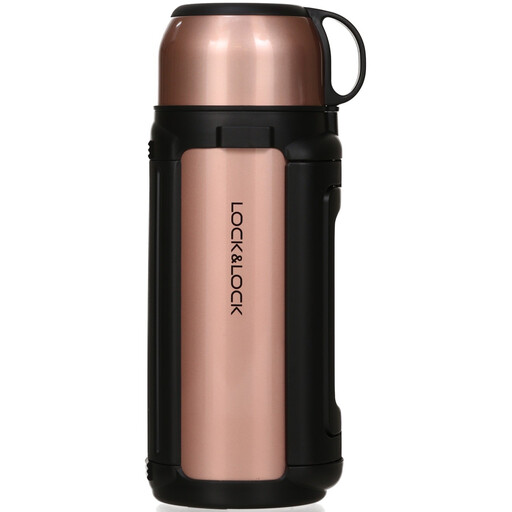
Why it's a good fit: The combination of a large 1.5-litre capacity and the stylish gold-pink colourway makes this jug an eye-catcher in the office. It's ideal for users who value both aesthetics and functionality.
The double-walled vacuum construction with a copper coating ensures reliable insulation performance. The lid with its silicone gasket prevents leaks, thereby avoiding the most common weaknesses.
An integrated cup and a sturdy carrying handle enhance user convenience. The wide opening makes filling and cleaning easy.
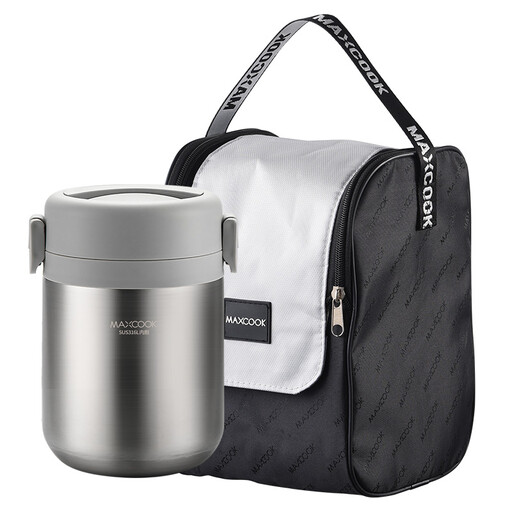
Why it's a good fit: This set is designed for maximum practicality. The included insulated bag makes transport easy, while the robust 316 stainless steel promises excellent durability. Ideal for outings or for transporting meals.
The container features a tight seal to prevent leaks. The wide opening solves the problem of difficult cleaning that plagues many flasks.
The use of 316 stainless steel offers enhanced corrosion resistance. The included carrying bag is a practical extra for use on the go.
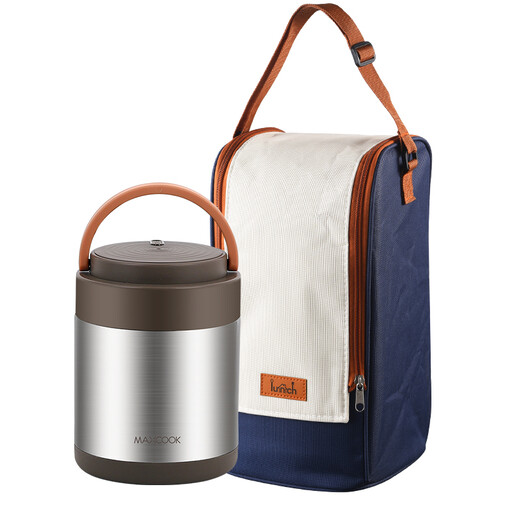
Why it's a good fit: This model focuses on the core functions. At 1.4 litres, it offers a large capacity and solid insulation performance based on 304 stainless steel, without costly extras. A great choice for anyone looking for a reliable, basic piece of kit.
It relies on proven vacuum insulation technology and a standard screw-on lid with a gasket, which is reliable when used correctly. The wide opening makes cleaning straightforward.
Solid core functionality thanks to the use of food-grade 304 stainless steel. The simple design is functional and focuses on heat retention.
We have compiled a complete, up-to-date list of products that fully meet these strict selection criteria and safety standards.
Hand washing is recommended for most models to protect the seals and the outer coating. Rinse the flask with warm water and mild dish soap after each use. For stubborn deposits, such as from tea or coffee, a mixture of warm water and a spoonful of baking soda can help. Let the mixture sit for a few hours and then rinse it out thoroughly. Do not use abrasive cleaners or steel wool.
Yes, the operating principle is identical. The vacuum between the two walls prevents both heat from escaping and cold from getting in. To maximise cooling performance, you can pre-chill the flask with cold water for a few minutes before filling it.
Both types of steel are food-grade and safe. 304 stainless steel is the most common standard for kitchen utensils and offers good corrosion resistance. 316 stainless steel also contains molybdenum, which makes it even more resistant to corrosion from salts and acids. For daily use with coffee, tea, or water, 304 stainless steel is perfectly adequate. However, if you regularly transport very acidic drinks or soups, a model made from 316 stainless steel can be a more durable choice.