
Lieferung heute & morgen

Qualitätsgarantie

Willkommens-Angebote freischalten: KOSTENLOSE Lieferung | Bis zu 80 % RABATT | Kostenlose 30-Tage-JoyPlus-Testphase
App herunterladen
A 1 kg pack of coffee beans might seem like a straightforward choice. In reality, whole coffee beans vary considerably in roast level, blend, suitability for different brewing methods and storage requirements. If you choose based only on the brand or price per kilo, you could end up with beans that taste too bitter in your bean-to-cup machine, are difficult to extract properly in a portafilter machine or sit open for too long.
This buying guide explains which details really matter when buying 1000 g of coffee beans and which products suit different needs.
A rating such as “intensity 5/10” or “dark roast” mainly describes the flavour profile; it doesn’t automatically tell you how much caffeine the coffee contains. A dark roast may taste stronger, more bitter or more chocolatey without necessarily containing more caffeine. If you prefer a milder coffee, look at the roast level, bean blend and aroma profile.
Many packs mention several brewing methods. That doesn’t mean the product will work equally well with every setting. Coffee beans for bean-to-cup machines, for example, need to work well with the grinder, brewing unit and pre-set water volume. For portafilter machines and moka pots, you’ll need to adjust the grind separately.
Once opened, air, moisture, heat, light and strong odours can all affect the aroma. A 1 kg pack is handy for homes or offices where coffee is enjoyed regularly. If you drink coffee less often, though, a large opened pack may be left for too long. Store the beans in a cool, dry, dark place and seal the pack tightly after each use. Always check the best-before date on the packaging.
Medium roasts often work well for a classic Caffè Crema, offering a balanced aroma. Mild coffee beans often have nutty, fruity or slightly chocolatey notes. Intense coffee beans are usually roasted darker and are better suited to espresso or strong milk-based drinks.
Product descriptions should be as specific as possible. Look for details such as:
Arabica and Robusta coffee beans combine two different types of bean. Arabica is often associated with finer, fruitier or smoother flavours. Robusta can give the coffee more body and help create a more pronounced crema. This isn’t a universal measure of quality, but it can help you understand the flavour profile to expect.
If you’re looking for a single-variety coffee, check for 100% Arabica. A blend of Arabica and Robusta, on the other hand, may be a good choice for espresso, cappuccino or latte macchiato. Always check the exact blend on the product page or packaging.
With a bean-to-cup machine, the whole beans are ground directly in the machine. For filter coffee, a French press, a moka pot or a portafilter machine, you’ll need to grind the beans first. As a general guide:
The best setting depends on your machine, the amount of water and your personal taste. When trying a new variety, start by making small adjustments to the grind size and coffee strength.
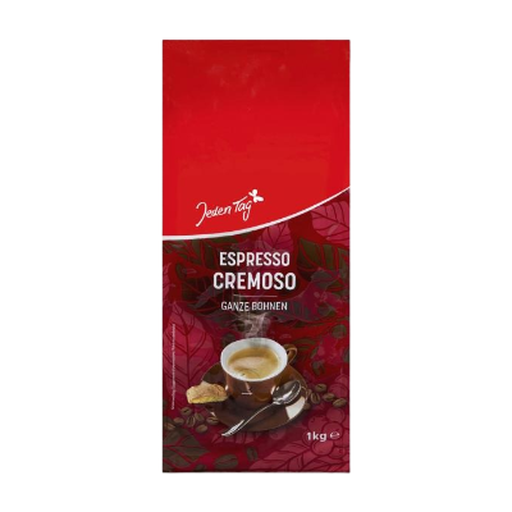
Why this product suits this profile: The 1 kg pack is designed for regular use at home or in a small office. According to the product details, it is certified organic coffee under DE-ÖKO-003.
Details about organic certification, pack size and intended use make it easier to choose than a vague marketing claim about “strength”.
Certified organic whole beans, 1000 g pack and intended for use in a bean-to-cup machine.
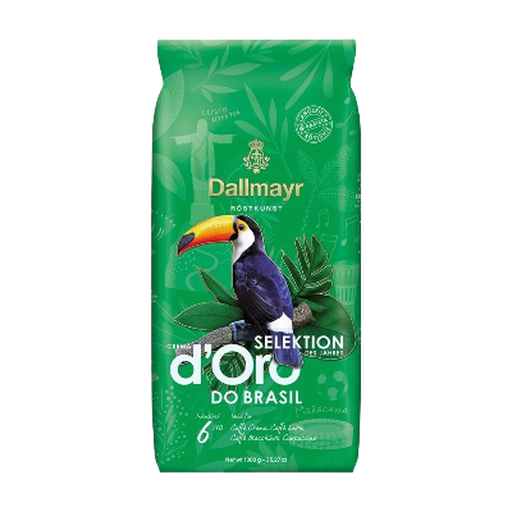
Why this product suits this profile: The product details specify 100% Arabica beans from Alta Mogiana, Sul de Minas and Cerrado in Brazil. It’s a good choice for buyers who take origin and blend into account.
Details about origin, bean type and flavour notes such as nuts and chocolate are more useful when choosing than a general promise of quality.
100% Arabica, specific Brazilian growing regions and notes of nuts and chocolate.
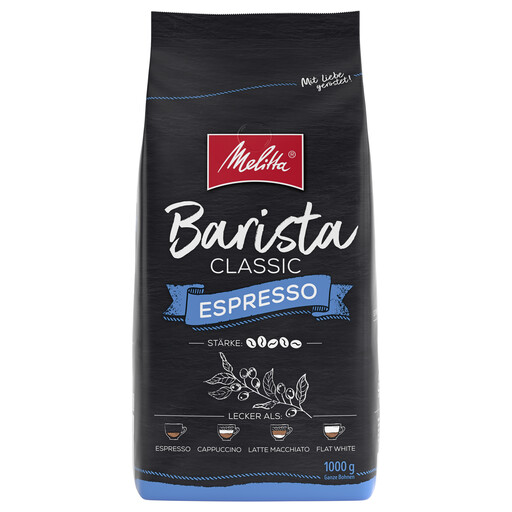
Why this product suits this profile: According to the product description, this dark roast is designed for espresso, cappuccino, latte macchiato and flat white. The 1000 g pack is practical for offices with high coffee consumption.
Its clear focus on espresso and milk-based drinks helps prevent it being the wrong choice for anyone looking for a strong coffee from their machine.
Dark roast, 1000 g pack and suitable for bean-to-cup machines; can also be ground for portafilter machines or moka pots.
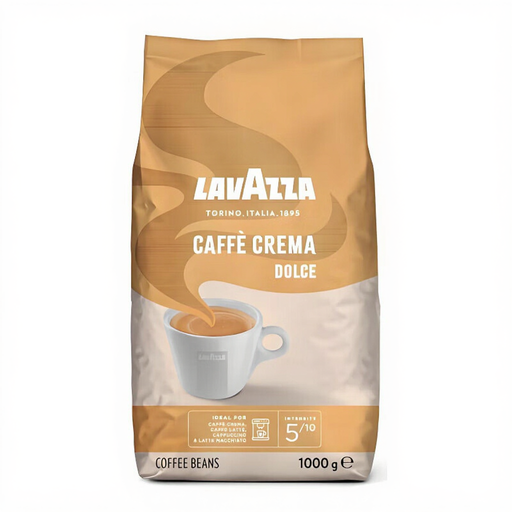
Why this product suits this profile: According to the product description, the Arabica and Robusta blend and medium roast are intended for Caffè Crema and coffee with milk.
Its stated suitability for bean-to-cup machines and details about the Arabica and Robusta blend provide clear guidance for crema lovers.
Medium roast, Arabica and Robusta blend, 1 kg pack and made in Italy according to the product details.
We’ve put together a complete, regularly updated list of products that meet these strict selection criteria and fully comply with the safety regulations in force in the EU.
Choose a pack with a tight seal or a suitable airtight container. You don’t necessarily need to keep coffee in the fridge; taking it in and out can lead to condensation and expose it to unwanted odours. A cool, dry and dark place is a better option.
When comparing prices per kilo, look beyond the pack price and consider:
If you’re planning to buy coffee beans online, check the best-before date, origin, roast, ingredients and responsible business listed on the product page.
It depends on how much coffee you use per cup and how much you drink each day. At around 7 to 10 g per cup, a kilo works out at roughly 100 to 140 cups. Bean-to-cup machines may use more beans depending on the drink strength and recipe.
Depending on the roast profile, Caffè Crema beans can also be used for espresso. However, beans specifically described as a dark roast or suitable for espresso are often easier to dial in for a concentrated espresso. Grind size, extraction time and dose all make a difference.
Keep the beans in their original pack with the seal tightly closed, or transfer them to an airtight container. Store them somewhere dry and dark, away from strong odours. A 1 kg pack is best suited to households or offices that make coffee regularly.