
Lieferung heute & morgen

Qualitätsgarantie

Willkommens-Angebote freischalten: KOSTENLOSE Lieferung | Bis zu 80 % RABATT | Kostenlose 30-Tage-JoyPlus-Testphase
App herunterladen
One kilogram of whole coffee beans is practical for households, offices and regular coffee drinkers. Buying in bulk often reduces the cost per cup and saves you from placing repeated orders. At the same time, a large pack ties up money if the flavour, roast or grind does not suit your preferred brewing method.
When buying 1 kg of coffee beans, three common pitfalls can easily lead to the wrong choice:
Arabica beans are often associated with fruitier, more delicate or more pronounced acidity. Robusta beans can contribute a fuller body and more pronounced crema. A blend of Arabica and Robusta is therefore common in Italian roasts and for many bean-to-cup machines.
If you prefer a mild coffee, look for terms such as mild coffee beans, a lower intensity rating or a flavour profile described accordingly. For espresso with milk or a strong black coffee, strong coffee beans or a higher proportion of Robusta may be more suitable. The exact blend should be stated in the product description or on the packaging. For example, the specific bean blend of Lavazza Caffè Crema Leggero is not stated in the product information.
The roast level affects body, acidity and perceived bitterness. Medium-roasted beans are versatile, while darker roasts are often chosen for espresso and milk-based drinks. However, an “Italian roast” is not a single, legally protected flavour standard. Specific details about the roast level, intensity and recommended use are what really matter.
Protective-atmosphere packaging or an aroma valve can reduce contact with oxygen. However, this does not replace proper storage once the pack has been opened. Keep the pack cool, dry and protected from light, and seal it carefully after every use. Coffee can absorb strong odours from its surroundings.
Also check the best-before date and, where provided, the roast date. A long remaining shelf life is useful for a 1 kg supply if consumption is relatively low. Offices and larger households, on the other hand, may use the quantity more quickly. If necessary, divide the beans between several airtight containers instead of opening the entire pack every day.
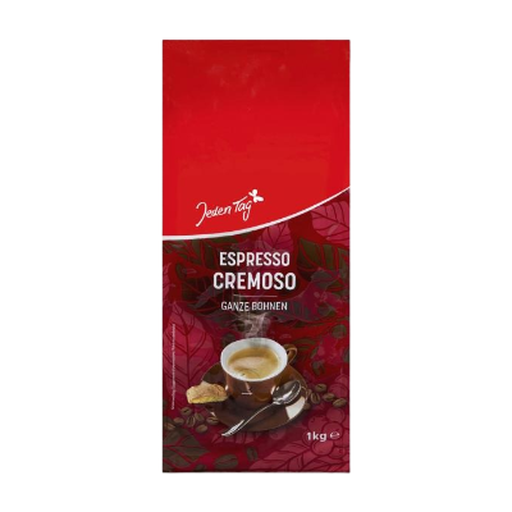
Why this product suits the profile: The 1 kg pack is designed for daily use in a bean-to-cup machine. According to the product description, these are certified organic roasted coffee beans; the stated price is 15,99 € per kilogram.
The organic certification and stated composition are clearly specified. Nevertheless, check the current packaging label and best-before date before buying.
Organically certified beans according to the product information; a 1000 g supply for regular espresso drinking.
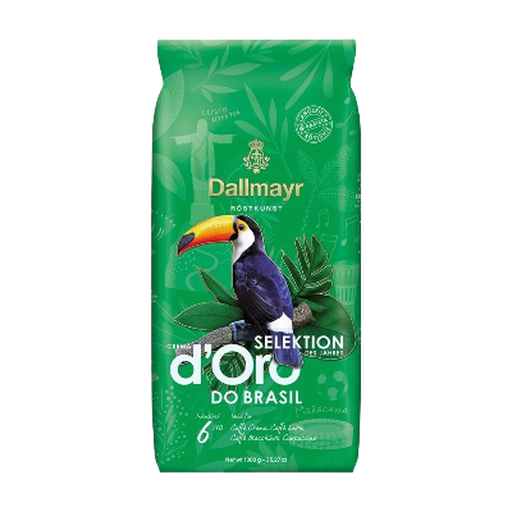
Why this product suits the profile: The product description specifies 100% Arabica from the Brazilian regions of Alta Mogiana, Sul de Minas and Cerrado. The profile is described as having nutty and slightly chocolatey notes with restrained acidity.
The origin and Arabica content are clearly specified. If you expect a pronounced Robusta crema, do not mistake this pure Arabica selection for a blend.
100% Arabica according to the product information; specified Brazilian regions of origin and a nutty, chocolatey flavour profile.
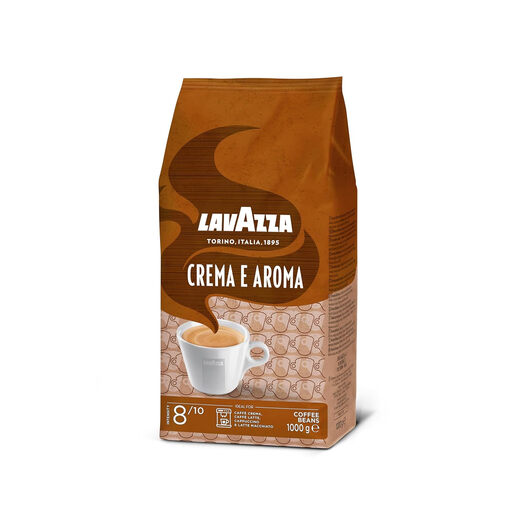
Why this product suits the profile: According to the product description, this blend combines Arabica and Robusta, has an intensity of 8/10 and is suitable for bean-to-cup machines, espresso grinders and portafilter machines.
The recommended brewing methods and intensity are specified in the product description. If you are looking for a mild coffee, bear in mind that 8/10 indicates a stronger profile.
Arabica–Robusta blend; medium roast and suitability for several espresso brewing methods according to the product information.
We have put together a complete, regularly updated list of products that fully meet these strict selection criteria and the safety regulations applicable in the EU.
For a bean-to-cup machine, around 7 to 10 g of beans per cup is common. The actual amount depends on the machine, cup size and desired intensity. At a consumption rate of two cups a day, one kilogram will mathematically last considerably longer than in an office serving several dozen cups a day.
Open the pack as infrequently as possible and grind only the amount you need. For bean-to-cup machines, set the grinder according to the operating instructions. With a portafilter machine, the dose, grind size, water temperature and extraction time are also important. A new type of bean often requires several adjustments before you achieve the desired result.
Coffee contains caffeine. Follow the information on the packaging; this product is not intended for children or people who are sensitive to caffeine. Pregnant and breastfeeding people should discuss their individual caffeine intake with an appropriate medical professional.
At 8 to 10 g per drink, one kilogram will mathematically make around 100 to 125 cups. Actual consumption depends on cup size, strength, rinsing cycles and the settings of the bean-to-cup machine.
Many Caffè Crema beans and Arabica–Robusta blends are sold for bean-to-cup machines. Also check the machine manufacturer’s guidance, particularly regarding bean size, roast and grinder settings.
As a rule, store them in an airtight container, somewhere dry, cool and protected from light. The information on the relevant packaging is decisive. If consumption is low, divide a large supply between smaller containers and grind the beans immediately before brewing.