
Lieferung heute & morgen

Qualitätsgarantie

Willkommens-Angebote freischalten: KOSTENLOSE Lieferung | Bis zu 80 % RABATT | Kostenlose 30-Tage-JoyPlus-Testphase
App herunterladen
A bulk pack of 1 kg of coffee beans can be an economical choice for households, offices and regular coffee drinkers. But choosing the right coffee involves more than just the brand or pack size. The roast, blend, brewing method and how much you drink all affect whether it suits your everyday routine.
As a Joybuy Product Recommendation Officer, I assess product details against clear criteria and match them to different needs. This makes marketing claims easier to evaluate and helps you avoid buying the wrong coffee.
One kilogram of whole coffee beans makes roughly 100 to 140 cups, depending on the dose. If you only drink coffee occasionally, it could take several months to get through the pack. Once opened, beans lose their aroma when exposed to oxygen, moisture, light and strong odours. If you don’t drink much coffee, smaller packs or splitting the beans between airtight containers may be a better option.
A dark roast often has a bolder taste or more pronounced roasted notes. However, caffeine content depends mainly on the blend, the dose and the brewing method. Arabica coffee beans and Arabica-Robusta blends can therefore differ in both flavour and effect. Ratings such as intensity 5/10 or 8/10 are usually specific to the manufacturer and are intended as a guide, rather than being based on a common standard.
Caffè Crema beans are often sold for bean-to-cup machines. 1 kg espresso beans, on the other hand, are often roasted darker and suited to shorter, more concentrated extraction. Many beans can also be used in a portafilter machine, French press or pour-over after grinding, but the grind size needs to suit the brewing method.
For a mild, balanced drink, consider mild coffee beans with a high proportion of Arabica or a moderate roast. If you prefer a fuller body and a pronounced crema, you could look at strong coffee beans or an Arabica-Robusta blend.
For cappuccino and latte macchiato, choose beans with enough body for the coffee flavour to come through alongside the milk and froth. Medium roasts are often a good starting point for a mild Caffè Crema.
For beans for bean-to-cup machines, check that the manufacturer specifically recommends them for this type of machine. Very oily, dark-roasted beans can affect how often you need to clean the grinder and brewing unit, depending on the machine. Always follow the machine’s instruction manual.
For portafilter and espresso machines, the grind size, dose, tamping and brewing time also matter. A product description with specific brewing guidance is therefore more useful than vague claims about flavour alone.
Look for:
Organic coffee beans should carry a verifiable organic certification mark or inspection body number. For example, the product details for Jeden Tag list inspection body DE-ÖKO-003. The labelling on the packaging you receive is what counts.
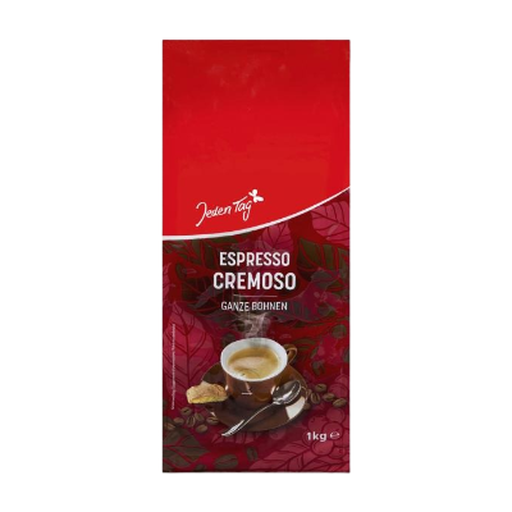
Why this product suits this profile: The 1 kg pack is aimed at regular coffee drinkers with a bean-to-cup machine who want organic certification and a clear price per pack.
The product details specify certified organic quality, ingredients with no additives and suitability for bean-to-cup machines. This makes it easier to compare products using verifiable information rather than marketing language alone.
1 kg pack; listed as an organic product with DE-ÖKO-003; intended for everyday use in a bean-to-cup machine.
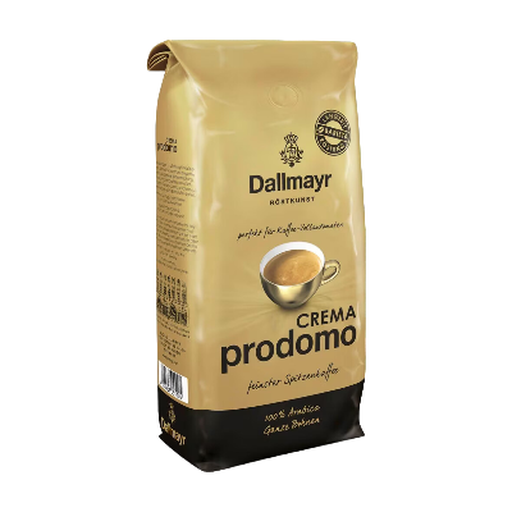
Why this product suits this profile: The product description specifies 100% Arabica and says it is designed for bean-to-cup machines. It’s a good match for buyers who want to check the bean type and machine compatibility before buying.
The ‘100% Arabica’ claim is more specific than a vague description such as ‘premium blend’. You should also check the origin and best-before details on the pack.
100% Arabica according to the product details; 1 kg pack; intended for bean-to-cup machines.
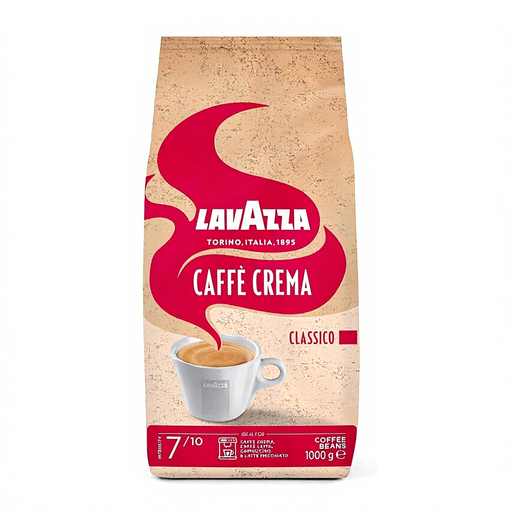
Why this product suits this profile: The product description says these beans are intended for bean-to-cup machines and milk-based coffee drinks. This makes the pack suitable for households or offices that regularly make Caffè Crema and cappuccino.
The recommended use is clearly stated. You don’t have to rely on terms such as ‘Italian’ or ‘crema’ alone to work out whether the beans are compatible with your machine.
1 kg pack; medium roast according to the product details; described as suitable for Caffè Crema and milk-based coffee specialities.
We’ve put together a complete, regularly updated list of products that meet these strict selection criteria and fully comply with the safety regulations in force in the EU.
A 1 kg pack of coffee beans should suit how much you actually drink. At eight grams per cup, it works out at around 125 servings. This can be a practical size for an office with several coffee drinkers. If you live alone, it’s worth considering how long the pack will be open.
These steps can help:
At a dose of eight grams per cup, one kilogram makes around 125 cups. Actual consumption can vary considerably depending on your machine, drink size and preferred strength.
Choose products whose descriptions specifically say they are suitable for bean-to-cup machines. Medium roasts are a popular choice for Caffè Crema. Beans with a fuller body may work well for cappuccino and latte macchiato. Follow the machine manufacturer’s instructions for use and care.
Keep the beans somewhere cool, dry and dark, in an airtight container if possible. Moisture, heat, light and strong odours can affect the aroma. Always follow the specific storage advice on the product packaging.