
Lieferung heute & morgen

Qualitätsgarantie

Willkommens-Angebote freischalten: KOSTENLOSE Lieferung | Bis zu 80 % RABATT | Kostenlose 30-Tage-JoyPlus-Testphase
App herunterladen
A 1-litre thermos flask is ideal for the breakfast table, the office, meetings or longer periods away from home. Depending on the size of your cups, it holds approximately eight portions of coffee or tea. However, insulated flasks can differ considerably when it comes to the closure, inner container, cleaning and leak protection.
If you only look at the colour, shape or a quoted number of hours, you may overlook important details. Our selection shows which criteria really matter when buying a thermally insulated coffee pot.
A claim such as “thermos flask keeps drinks hot for 12 hours” generally describes a maximum value under specific conditions. It is important to know whether the flask was filled completely, how hot the drink was when poured in and how often the closure is opened.
The claim “thermos flask keeps drinks cold for 24 hours” should not be taken to mean that the temperature remains permanently constant. Ice cubes, frequent opening and a lower fill level can affect the insulating performance.
A lid may seal reliably when pouring, but it is only leak-proof when it is fully closed. Therefore, check whether the closure is designed for transport and whether controlled one-handed operation is possible.
A Quick-Tip closure or Quick-Press closure can make serving easier. However, the seal is a wearing part and should be checked regularly for cracks, deformation and residue.
An stainless-steel thermos flask is often less susceptible to damage from knocks than an insulated flask with a glass insert. However, the weight, feel of the handle and cleaning requirements may differ. A glass insulated flask is often appreciated for its neutral taste, but it requires more careful handling.
A glass insert can break if dropped or exposed to severe thermal shock. A damaged flask should no longer be used, particularly if the inner container cannot be inspected properly.
Look for separate specifications for hot and cold drinks. According to the product details, the models featured here are stated to keep drinks hot for up to 12 hours and cold for up to 24 hours.
Simple preparation steps can help maintain a more consistent temperature:
For the office or home, one-handed operation is practical when you do not need a second hand while pouring. A controlled pouring mechanism also reduces the risk of coffee or tea spilling over the rim of the cup.
Check the following:
Regardless of the type of closure, care is still required when handling very hot drinks. A thermos flask is not a drinking vessel; the contents should be poured into a cup or glass.
A wide opening makes it easier to fill the flask with coffee or tea and allows more thorough cleaning. Residue can affect both taste and hygiene. Use warm water and a mild cleaning product unless the manufacturer’s instructions specify otherwise.
Do not clean glass inserts with metal spoons. With stainless steel, abrasive sponges and harsh cleaning products should also be avoided. After cleaning, leave the flask with the lid open until it is completely dry.
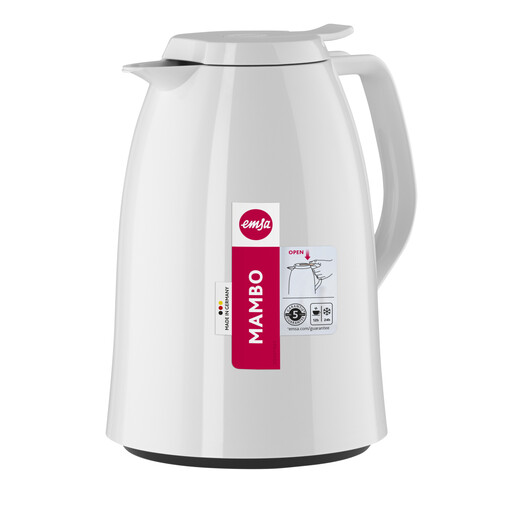
Why this product suits this profile: The Mambo version combines a 1-litre capacity with Quick-Tip one-handed operation and a wide opening for filling and cleaning. This makes it straightforward and practical for everyday use at home or in the office.
The product details state that the lid is 100 % leak-proof and allows controlled pouring. The quoted heat-retention period of up to 12 hours and cold-retention period of up to 24 hours should be understood as manufacturer specifications.
Quick-Press closure for one-handed operation and a wide filling opening; plastic housing with glass insert according to the product description.
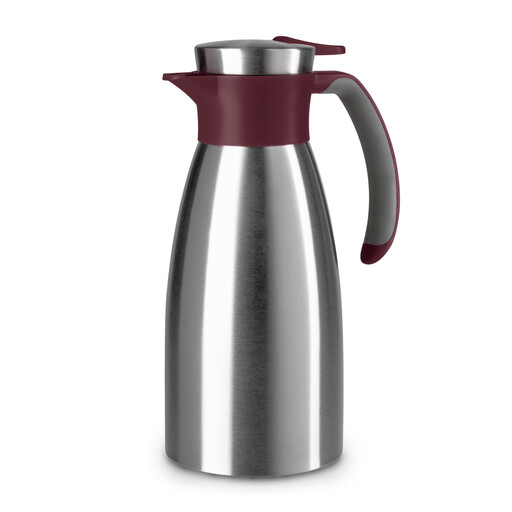
Why this product suits this profile: The double-walled stainless-steel construction, soft-grip handle and slim shape are ideal for anyone looking for a robust thermos flask for the office, home and regular coffee breaks.
The stainless-steel material specification is clear. The soft-grip handle supports a secure hold, while the Quick-Tip closure and stated leak protection address the most common handling problems.
Double-walled stainless steel, soft-grip handle and 1-litre capacity, plus up to 12 hours hot and 24 hours cold according to the product details.
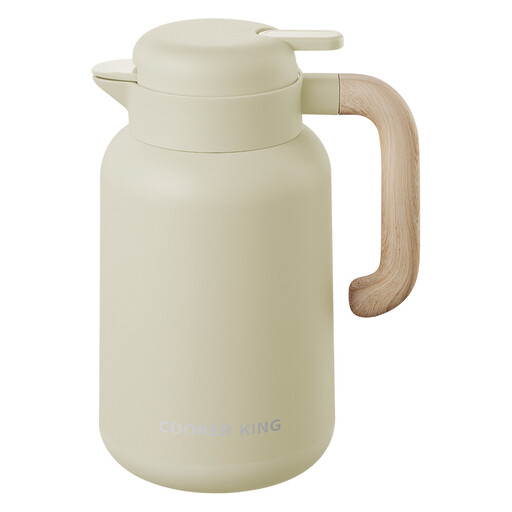
Why this product suits this profile: The glass insert is suitable for users who prefer a classic insulated flask for water, tea or coffee and mainly use it in a fixed location at home or at events.
The product description explicitly points out that the glass insert is delicate. This makes it easier to choose the flask for careful, stationary use; ice, carbonated drinks and heavy knocks should be avoided.
1-litre capacity, vacuum insulation with a glass lining and hand washing with mild cleaning product according to the product details.
A thermos flask will last longer if the closure and seals are cleaned regularly. Do not leave coffee or tea residue in the container for extended periods. If odours develop, cleaning the flask in line with the manufacturer’s instructions may help; abrasive products should be avoided.
For glass inserts, also observe the following:
We have put together a complete, regularly updated list of products that fully meet these strict selection criteria and the safety regulations applicable in the EU.
Depending on the size of the cups, approximately eight smaller cups can be served. The number is reduced accordingly when using large mugs. For several people at breakfast or in the office, 1 litre offers a practical middle ground.
Preheat the flask briefly with hot water before filling it, then pour in the freshly brewed coffee as fully as possible. A fully closed closure and infrequent opening help to retain the temperature. The actual duration depends on the fill level, starting temperature and surroundings.
Its lifespan depends mainly on the seals, closure mechanism and inner container. Stainless-steel models are generally less susceptible to damage from knocks than glass inserts. If the seal starts to fail or the glass insert is damaged, the flask should no longer be used; alternatively, replace the closure in accordance with the manufacturer’s instructions.