
Lieferung heute & morgen

Qualitätsgarantie

Willkommens-Angebote freischalten: KOSTENLOSE Lieferung | Bis zu 80 % RABATT | Kostenlose 30-Tage-JoyPlus-Testphase
App herunterladen
A seaweed snack is a food product typically made from thin, roasted, and seasoned sheets of the red alga Porphyra. In Asia, particularly as a Korean snack, this product is known as "Gim" or "Kim," while in English the term Laver is used, and in Japanese, Nori. The popularity of these snacks stems from their unique texture—crisp and light—and their distinct umami flavour. They offer an alternative to conventional potato chips or other savoury snacks and are used both as a standalone snack and as an accompaniment to dishes like rice or soup.
When deciding which nori sheets to buy, several technical and product-related parameters should be considered. These criteria enable an informed choice based on individual requirements for taste, use, and ingredients.
The primary distinction is between sheets and flakes.
The flavour profile is determined by the seasoning. A thorough analysis of the ingredient list is fundamental.
The packaging has a direct impact on the product's freshness and shelf life.
For health-conscious consumers, a comparison of the nutritional information per 100 g is advisable. Values to consider include:
The following selection is based on an analysis of product specifications and their suitability for various applications.
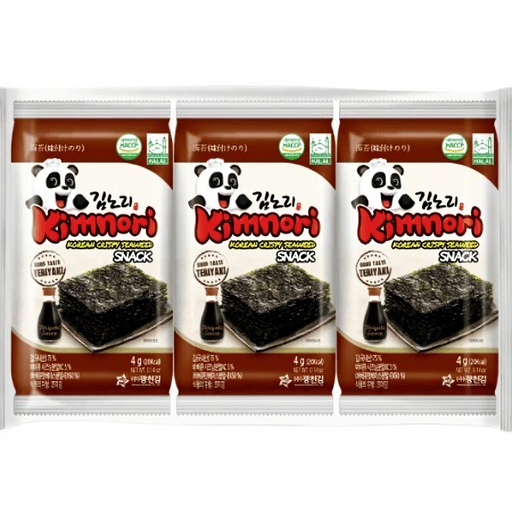
Why we recommend this product This product is distinguished by its specific teriyaki flavour profile, created by a seasoning blend of sugar, salt, and soy sauce powder. The division into three separate 4-gram packs is functional for maintaining freshness and portion control.
Advantages
Who it's for This product is suitable for consumers who prefer a sweet umami flavour and wish to enjoy the snack in controlled portions, for example, at the office or as part of a lunchbox.
Product Data
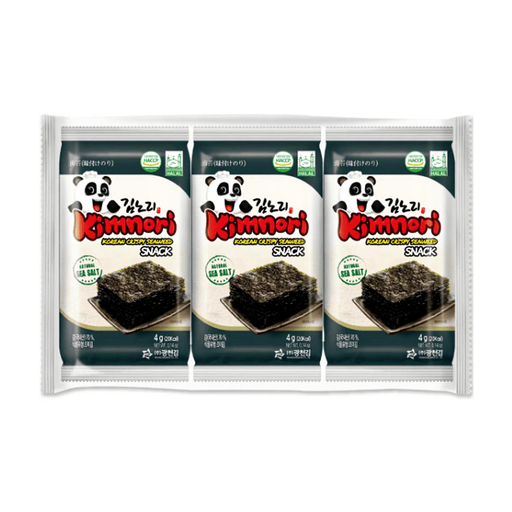
Why we recommend this product The "Original" version from Kimnori focuses on the inherent flavour of the roasted seaweed, enhanced by a minimalist seasoning of salt and an oil blend. It represents the benchmark for a classic Korean snack of this type.
Advantages
Who it's for Ideal for purists and newcomers who want to experience the authentic taste of roasted seaweed. Also suitable for those looking for a simple, salty, and sugar-free healthy snack.
Product Data
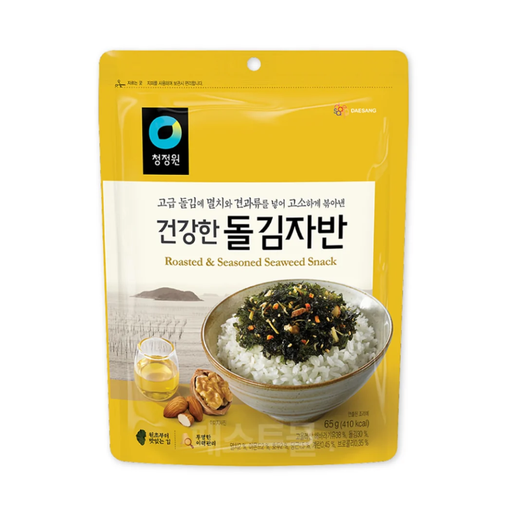
Why we recommend this product This product is distinguished by its flake format and its complex ingredient list, which includes nuts and shrimp in addition to seaweed. The resealable ziplock packaging is designed for its use as a seasoning.
Advantages
Who it's for This product is aimed at users who primarily want to use seaweed crisps as an ingredient and topping to enhance dishes. It is suitable for those seeking an intense and textured seasoning.
Product Data
While seaweed snacks represent a specific category, the spectrum of savoury and umami-rich flavourings is broad. If you wish to expand your range of seasonings for Asian or international cuisine, you can find more products in our Salt, Spices, and Seasonings category.
1. Are seaweed snacks a healthy option? The assessment of a food as "healthy" depends on the overall dietary context. Seaweed snacks are typically lower in calories than many deep-fried snacks. They naturally contain minerals. However, the decisive factors for an individual assessment are the salt and fat content of the specific product, which can be found on the nutritional table. Products without added sugar can be an option for a low-sugar diet.
2. How are seaweed snacks consumed? There are several ways to use them. The sheets can be eaten directly from the pack as a crispy snack. They are also a popular accompaniment to a bowl of rice, where the salty flavour of the snack complements the neutral rice. Crushed, they can serve as a garnish for soups (e.g., miso soup), salads, or noodle dishes. Seaweed flakes are specifically designed to be mixed into rice or used as a topping.
3. What is the difference between Nori, Laver, and Gim? These terms essentially refer to the same base product: processed, edible seaweed of the Porphyra genus. The difference is linguistic and cultural: