
Lieferung heute & morgen

Qualitätsgarantie

Willkommens-Angebote freischalten: KOSTENLOSE Lieferung | Bis zu 80 % RABATT | Kostenlose 30-Tage-JoyPlus-Testphase
App herunterladen
Dry feet, rough soles and cracked heels are often caused by a weakened skin barrier, frequent showering, dry central-heating air or prolonged standing. A foot cream with 10% urea for dry feet may be worth considering for daily care when the skin needs plenty of moisture and the formula suits your skin type.
However, price and brand name are not the only factors that can lead to the wrong choice. The concentration, additional ingredients, texture and information on the packaging are all important.
Urea binds water in the outermost layer of the skin. Two products containing 10% urea can still differ significantly, for example because of glycerin, panthenol, ceramides, oils or fragrances. For very dry skin, it is therefore not just the percentage that matters, but the overall formulation.
A fast-absorbing foot cream is practical for everyday use, especially before putting on socks. However, a lightweight texture may feel different from a rich foot balm containing urea. If your main aim is to care for cracked heels, pay attention to the application instructions and consistency rather than relying solely on claims such as “absorbs instantly”.
A standard foot cream is not automatically suitable for open, inflamed or severely irritated areas. If you have diabetes, circulation problems, atopic dermatitis, psoriasis or recurring skin problems, you should seek medical advice before choosing and using a product. Even if the manufacturer states that a product is intended for certain groups, it does not replace personalised advice.
With a urea foot cream containing 10% urea, the clearly stated concentration is the main consideration for the daily care of dry to very dry skin. Additional ingredients such as glycerin, Sodium PCA, Sodium Lactate or panthenol can enhance the moisturising concept. Ceramides and cholesterol are often used when supporting the skin barrier is a priority.
The ingredients list should be available in full on the packaging or product page wherever possible. If you are sensitive to fragrances, also look out for ingredients such as “Parfum”, “Limonene” or “Linalool”.
Creams in tubes can be applied precisely to the heels and soles. A foam may spread more easily and allow you to use a smaller amount of product. With aerosols, the safety instructions are particularly important: pressurised containers must not be heated or damaged and should be kept out of the reach of children.
For daily moisturising foot care, it also matters whether the cream can be used easily in the morning or is better suited to an evening routine. A rich formula is often more suitable before bedtime, while a lightweight cream can be more practical during work and physical activity.
Clean, dry feet make it easier to apply the product evenly. Particularly dry areas such as the heels and soles can be massaged specifically. Only apply a small amount between the toes, as this area can become moist.
If you have painful cracks, bleeding, pronounced redness or persistent itching, do not compensate by simply applying the product more frequently without advice. In these cases, it is advisable to seek medical assessment.
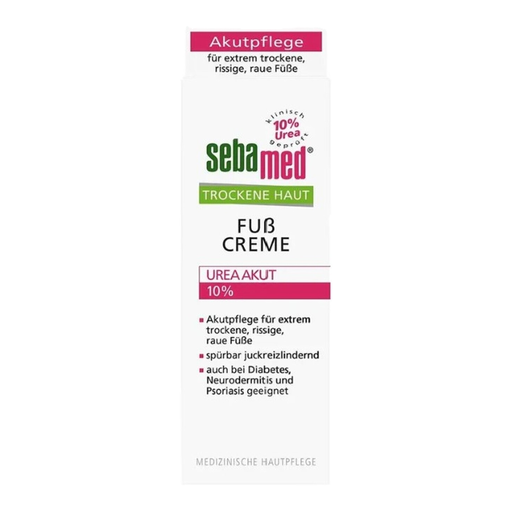
Why this product suits the profile: The 100 ml cream specifies 10% urea, glycerin and panthenol, making its focus on daily care for dry feet clear.
The urea concentration is clearly stated. This means you do not have to make your decision based solely on general terms such as “acute care” or “intensive”.
10% urea, panthenol and vitamin E according to the product information; free from colourants, petroleum jelly, silicones and PEG compounds.
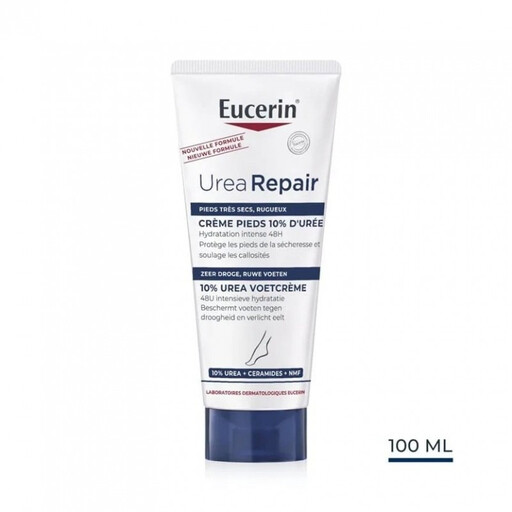
Why this product suits the profile: According to the ingredients list, the formula combines 10% urea with Ceramide NP, cholesterol, glycerin and other humectants.
The choice is based on specifically named ingredients rather than an unexplained marketing claim about “regeneration”.
10% urea, plus ceramides and NMF-related ingredients according to the product description; designed for morning and evening use.
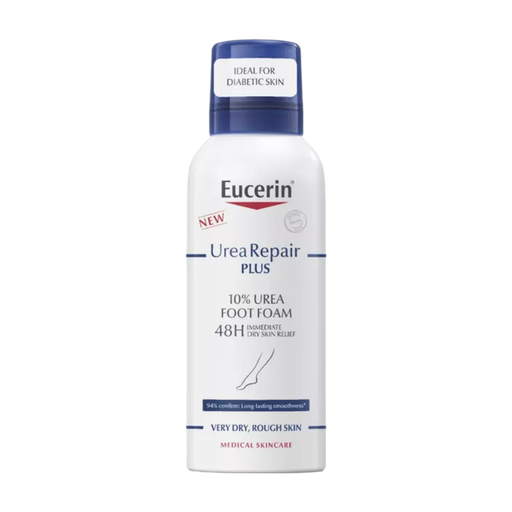
Why this product suits the profile: The foam format is ideal for people who prefer easy application and want to incorporate foot care into their daily routine.
The instructions are clear: shake, dispense while holding upright and massage in after application. The pressurised container requires the stated safety precautions.
10% urea, glycerin, panthenol and Ceramide NP according to the ingredients list; foam format with dispensing instructions.
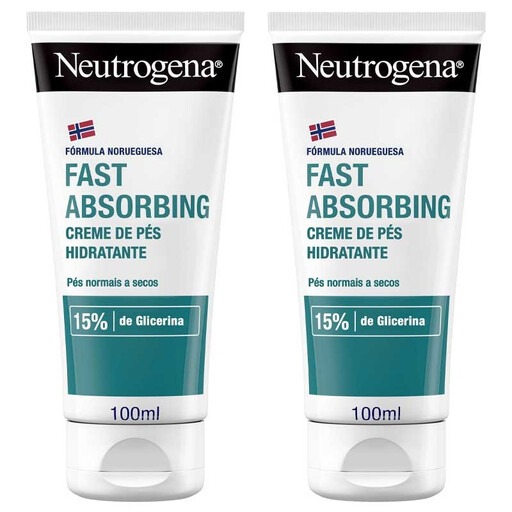
Why this product suits the profile: The lightweight texture and pack of two 100 ml units are well suited to regular use, without a long wait before putting on socks or shoes.
The product information specifies the texture, daily use and the instruction to allow the cream to absorb fully before getting dressed. However, a 10% urea concentration is not stated.
Fast-absorbing texture according to the product description; 2 x 100 ml and panthenol, allantoin and vitamin E according to the ingredients list.
We have put together a complete, regularly updated list of products that fully meet these strict selection criteria and the safety regulations applicable in the EU.
The following routine has proved straightforward for intensive daily foot care:
Calluses should not be removed aggressively. Files or foot scrapers can injure the skin if used incorrectly. If you have diabetes or restricted circulation, discuss your foot-care routine with a medical professional. Products containing salicylic acid, essential oils or fragrances require particular care when assessing their suitability for sensitive skin.
10% urea is often offered for the daily care of dry to very dry skin. However, the specific product instructions and your individual skin tolerance are decisive. Stop using the product if irritation occurs.
A foot cream for cracked heels can be applied regularly to the affected areas where the skin is closed. The heels should be clean and dry. Deep, painful or bleeding cracks may require more than cosmetic care; in such cases, it is advisable to seek medical assessment.
The packaging usually shows a best-before date and, where applicable, the symbol indicating the period of use after opening. Monitor the colour, smell and consistency. Do not continue using the product if these change or if skin irritation occurs.