
Lieferung heute & morgen

Qualitätsgarantie

Willkommens-Angebote freischalten: KOSTENLOSE Lieferung | Bis zu 80 % RABATT | Kostenlose 30-Tage-JoyPlus-Testphase
App herunterladen
The mandatory smoke detector law in Germany is unequivocal: smoke alarms must be installed in bedrooms, children's rooms, and hallways that serve as escape routes. However, when it comes to selecting the right device, many buyers face a challenge. Models advertised with a 10-year battery promise convenience, but not all deliver on that promise. Before you make a decision, you should be aware of the most common pitfalls that can lead to unnecessary costs or even a safety risk.
The 3 Most Common Traps When Buying Smoke Detectors:
To avoid a bad purchase and find a reliable device, you should carefully check three technical features. These define the quality and suitability of a smoke detector for use in your home.
This is the most important requirement. The EN 14604 standard ensures that the smoke alarm meets strict criteria. These include:
Explicitly look for the "certified according to DIN EN 14604" statement in the product description.
A smoke detector with a 10-year battery offers the advantage of not having to worry about battery changes for an entire decade. These models typically use a permanently soldered lithium battery. After 10 years, the entire device must be replaced, which is also recommended for safety reasons, as sensors lose sensitivity over time. Models with replaceable batteries are often cheaper to purchase but incur regular maintenance and follow-up costs.
For use in residential spaces, the photoelectric smoke detector has established itself as the standard. These devices use a light beam inside. If smoke particles enter the measuring chamber, the light beam is scattered and directed onto a sensor, which triggers the alarm. This method is particularly effective at detecting smouldering fires, which develop slowly and produce a lot of smoke—the most common type of fire in private households. Furthermore, they are less prone to false alarms from steam or dust, making them the ideal choice for installation in hallways or as a smoke detector for the bedroom.
Based on the quality criteria mentioned, we have compiled a selection of products suitable for various user profiles and living situations.
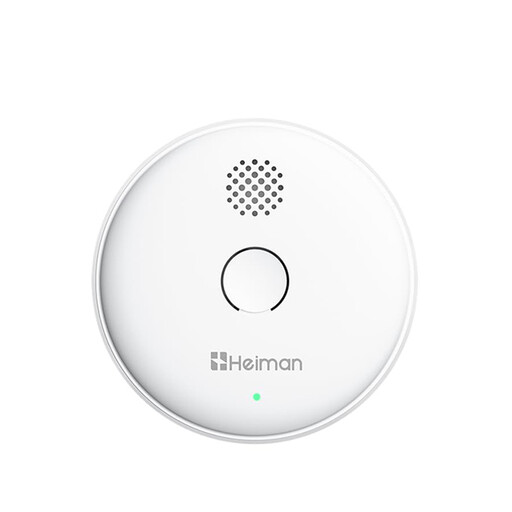
Why This Fits Their Persona: In multi-storey houses or large apartments, it's crucial that an alarm is heard everywhere. The wireless interconnection ensures that if smoke is detected in one room, all installed detectors will sound the alarm simultaneously.
This model combines certified EN 14604 compliance with a sealed 10-year battery. The "10-Year Trap" is thus avoided, as both the device and the battery are designed for a long, maintenance-free service life.
Comprehensive alarm coverage by wirelessly linking up to 40 devices. A mute button allows for easy deactivation of false alarms.

Why This Fits Their Persona: For renters or buyers looking for a reliable and straightforward solution to meet smoke detector requirements, this model offers all the necessary functions without unnecessary extras. It is a maintenance-free standard solution for 10 years.
The product description is clear: EN 14604 certified and a sealed long-life lithium battery. There is no ambiguity regarding the certification or battery life, which protects against typical marketing traps.
An excellent price-performance ratio. The photoelectric sensor ensures reliable detection of smouldering fires with a low false alarm rate.
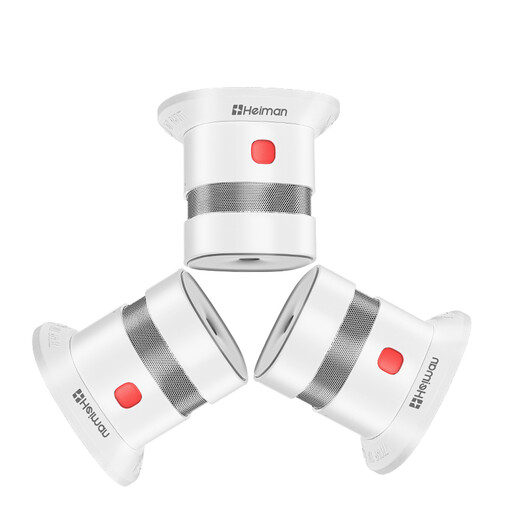
Why This Fits Their Persona: Those who value an unobtrusive integration into their living environment will find a suitable solution in this mini smoke detector. Its compact housing is barely noticeable on the ceiling, without compromising on safety.
Despite its small size, this fire alarm is fully certified according to T?V and EN 14604. The integrated 10-year battery ensures that the compact form does not come at the expense of longevity and convenience.
Combines certified safety with a discreet, minimalist design. The photoelectric sensor provides reliable protection.
We have compiled a complete, up-to-date list of products that fully meet these strict selection criteria and German safety regulations.
The mandatory smoke detector law requires installation in all bedrooms and children's rooms, as well as in hallways that serve as escape routes from living areas. The exact regulations may vary slightly depending on the federal state. It is recommended to inform yourself about the specific state building code.
Even if the battery is designed to last for 10 years, the functionality of the detector must be checked regularly. Most manufacturers recommend a monthly check by pressing the test button. This ensures that the electronics and the alarm sounder are working correctly. After 10 years, the entire device should be replaced.
Smoke detectors and carbon monoxide (CO) detectors serve different purposes and are not interchangeable. A smoke detector (or fire alarm) reacts to smoke particles in the air that are produced during a fire. A CO detector, on the other hand, warns of the colourless and odourless gas carbon monoxide, which is released during the incomplete combustion of gas, oil, wood, or coal (e.g., in heaters, fireplaces, or gas boilers). Households with fuel-burning appliances should install CO detectors in addition to smoke detectors.