
Lieferung heute & morgen

Qualitätsgarantie

Willkommens-Angebote freischalten: KOSTENLOSE Lieferung | Bis zu 80 % RABATT | Kostenlose 30-Tage-JoyPlus-Testphase
App herunterladen
Choosing the right yoga mat can be a challenge given the wide variety of materials, thicknesses, and surfaces available. However, a suitable mat is the foundation for a safe and effective practice, whether for yoga, Pilates, or general fitness exercises. It not only provides comfort but also the necessary stability to perform poses correctly and safely.
This guide is designed to help you understand the features of different mats and make an informed decision. As a Joybuy Product Recommendation Officer, I have compiled the essential information to offer you objective guidance.
Before making a decision, you should consider three key factors: material, thickness, and surface texture. These largely determine the functionality and durability of your exercise mat.
The material affects the mat's grip, cushioning, weight, and sustainability.
The thickness of a fitness mat is measured in millimetres (mm) and directly impacts your balance and comfort.
A non-slip yoga mat is crucial for safety. The grip depends on the material and surface texture. Textured surfaces generally offer more hold than smooth ones. For easy transport and storage, a yoga mat with a carrying strap is a practical addition.
Here is a selection of mats that cater to different needs and workout styles.
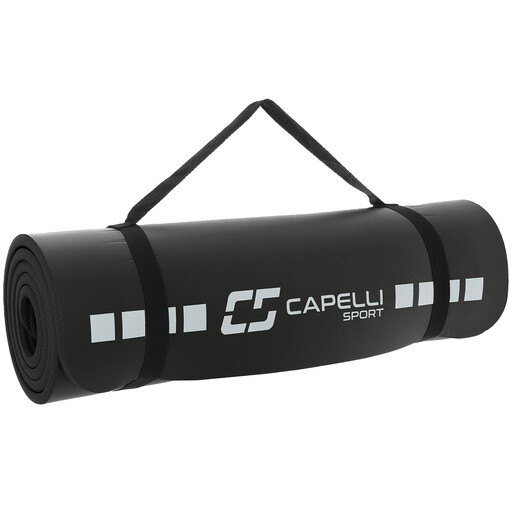
Why It Stands Out: With a thickness of 12 mm, this NBR foam mat offers exceptional padding. It is designed to absorb impact and protect your joints during floor exercises.
Pros:
Who It's For: Individuals looking for a thick yoga mat with maximum padding for fitness workouts, stretching, or Pilates, and who prioritise joint protection.
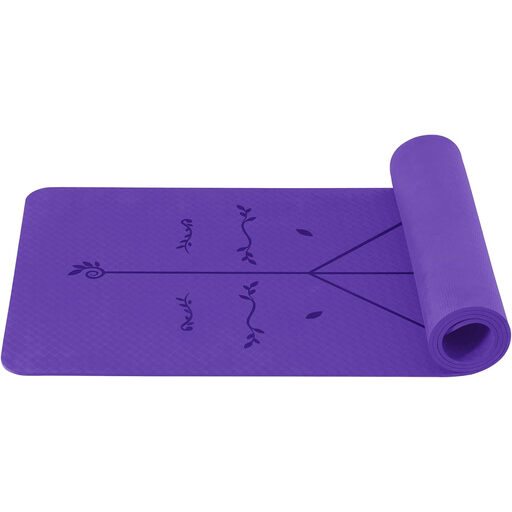
Why It Stands Out: This TPE Pilates mat offers a great balance between comfort and stability with its 6 mm thickness. The printed alignment lines are a useful guide for achieving correct posture.
Pros:
Who It's For: Yoga and Pilates practitioners of all levels, especially beginners who can benefit from the alignment guides. It's a versatile exercise mat for training at home or in the studio.

Why It Stands Out: This cork yoga mat combines a natural cork surface with a TPE base. The unique feature of cork is that its grip increases with moisture, making it ideal for more intense workouts.
Pros:
Who It's For: Yogis who prefer a non-slip yoga mat made with natural materials and are looking for a mat that provides reliable grip even during sweaty practices.
If the models featured don't perfectly match what you're looking for, you can find a wider selection in our category. Discover more mats for various needs and workout styles.
? Discover more exercise mats here
1. What is the difference between a yoga mat and an exercise mat? Although the terms are often used interchangeably, there are functional differences. A yoga mat is typically thinner (3-6 mm) and designed for grip and stability in standing poses. An exercise mat or fitness mat is often thicker (10 mm or more) to provide more cushioning for floor exercises, Pilates, or general fitness training.
2. How do I clean my yoga mat properly? Most TPE and NBR mats can be wiped down with a damp cloth and a mild soap solution. Allow the mat to air-dry completely before rolling it up. Avoid direct sunlight. Cork mats can also be cleaned with a damp cloth. Always follow the manufacturer's care instructions.
3. Which yoga mat material is the most non-slip? Grip depends on the surface texture and the material. TPE mats with a textured surface generally offer good grip right from the start. Cork mats develop exceptional grip when they become slightly damp, which makes them highly suitable for sweaty practices.