
Lieferung heute & morgen

Qualitätsgarantie

Willkommens-Angebote freischalten: KOSTENLOSE Lieferung | Bis zu 80 % RABATT | Kostenlose 30-Tage-JoyPlus-Testphase
App herunterladen
By the Joybuy Product Recommendation Officer, August 28, 2026
As the days grow shorter and natural sunlight fades, many people feel low on energy, tired, or suffer from the so-called winter blues. A daylight lamp, often called a light therapy lamp, is frequently considered as a way to boost well-being during the dark season.
However, the market offers a bewildering variety of models. Many products use enticing marketing terms but fail to meet the basic requirements for effective use. Before you make a purchase, it's crucial to understand the most common pitfalls to avoid a bad investment.
The 3 Most Common Mistakes When Buying a Daylight Lamp:
To make an informed decision, you should focus on objective, technical parameters rather than marketing promises.
Illuminance, measured in lux, is the most critical factor. For an effective light therapy session, an intensity of 10,000 lux is recommended. However, pay close attention to the manufacturer's specifications regarding the distance at which this value is achieved. A typical and practical distance for use at a desk is between 10 and 20 cm. Products that only deliver this intensity upon direct contact are unsuitable.
Your health and comfort are the priority. Specifically look for products that are explicitly labelled as UV-free and flicker-free. Some models, such as certain Beurer daylight lamps, are certified as medical devices. While these lamps are primarily for general well-being, this certification can be an indicator of tested quality and safety, ensuring the device meets specific standards for performance and security.
Colour temperature is measured in Kelvin (K). Daylight lamps simulate natural sunlight and therefore typically have a colour temperature of about 5,300 K to 6,500 K (daylight white). A sufficiently large light surface also ensures an even and pleasant distribution of light, so you don't have to look directly into the source.
Based on these objective criteria, we have curated a selection of products for different user profiles.

Why This Fits Their Persona: Ideal for those looking for a straightforward and effective solution for their desk. Its compact design and simple operation make it perfect for starting out with light therapy during work or breakfast.
Delivers the specified 10,000 lux at a practical distance of approx. 10 cm. It is explicitly designated as UV-free and flicker-free and is certified as a medical device.
Very compact and lightweight design; simple one-button operation; adjustable stand for horizontal or vertical use.
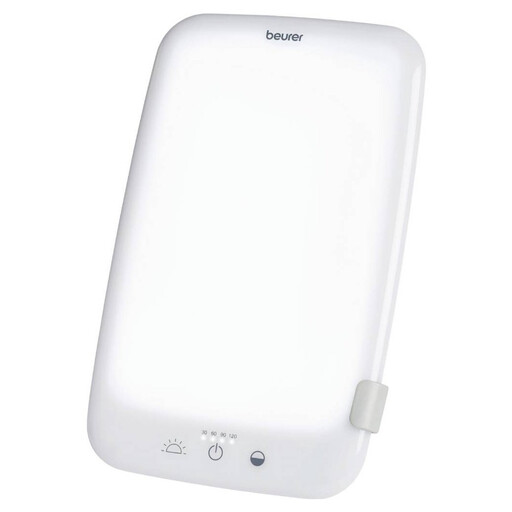
Why This Fits Their Persona: Suitable for users who want more control and customisation options. The different colour temperatures and timer allow for flexible use throughout the day—from an activating light session in the morning to a relaxing light in the evening.
Meets the criteria with 10,000 lux at approx. 15 cm and is UV-free and flicker-free. The modes are clearly defined (Therapy, Active, Relax), which prevents misleading interpretations.
Three adjustable colour temperatures; integrated timer (30-120 minutes) with automatic shut-off; modern design with a large light surface.
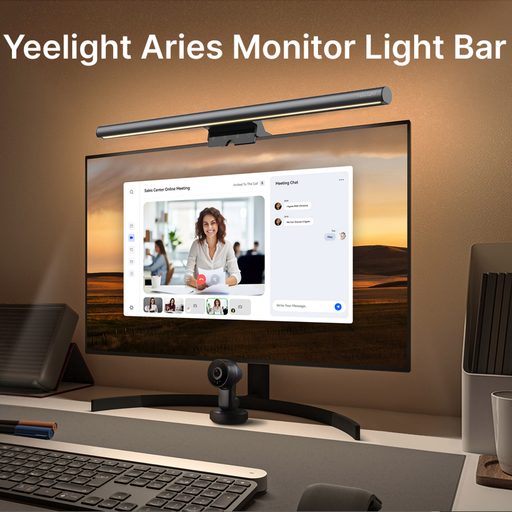
Why This Fits Their Persona: For individuals whose main goal is to improve ergonomics at their computer workstation. This is not a SAD lamp, but a solution for reducing eye strain by specifically illuminating the desk without creating glare on the monitor.
This product is not marketed as a 10,000 lux therapy device. It solves a different, clearly defined problem: uneven workspace lighting and the associated eye strain.
Asymmetrical light design prevents screen reflections; saves valuable desk space; dimmable, eye-friendly illumination.
We have compiled a complete, up-to-date list of products that fully meet these strict selection criteria and safety regulations.
The recommended duration of use is typically between 30 and 60 minutes per day, preferably in the morning. This helps support your circadian rhythm (your internal clock). Position the lamp to your side at a distance that provides the specified 10,000 lux, and avoid looking directly into the light.
The main difference lies in the light intensity and colour. A regular desk lamp typically has only a few hundred lux and is designed for targeted task lighting. A daylight lamp with 10,000 lux is significantly brighter and simulates the intensity and colour of natural daylight to promote general well-being and counteract a lack of sunlight.
No, concerns about high electricity costs are generally unfounded. Modern daylight lamps use energy-efficient LED technology. With one hour of daily use, a typical LED daylight lamp with a power rating of about 10-15 watts consumes very little electricity, which will be barely noticeable on your energy bill.