
Lieferung heute & morgen

Qualitätsgarantie

Willkommens-Angebote freischalten: KOSTENLOSE Lieferung | Bis zu 80 % RABATT | Kostenlose 30-Tage-JoyPlus-Testphase
App herunterladen
When the days get shorter and natural sunlight fades, many people feel drained of energy or downcast. A 10,000 lux daylight lamp is often considered a way to compensate for this lack of light. However, the market is saturated, and not every device delivers on its promises. Before you make a decision, it's crucial to understand the common pitfalls that can lead to an unsatisfying purchase.
This guide will help you understand the key features and make an informed choice for your well-being, whether for light therapy at home or to enhance your workspace.
Many products advertise impressive figures, but the devil is often in the details. Pay attention to these three points to avoid a poor investment:
To separate the wheat from the chaff, focus on the following technical specifications. These objective criteria are the foundation for a good purchasing decision.
Illuminance, measured in lux, indicates how much light hits a surface. An effective light application to boost well-being requires an intensity of about 10,000 lux. The crucial factor here is the distance at which this value is achieved. Check the manufacturer's specifications carefully: a reputable product will specify the distance (e.g., "10,000 lux at a 20 cm distance"). The greater the distance for the same lux value, the more flexible and pleasant the use.
The quality of the light is just as important as its intensity. Look for the following labels:
Some devices, like the Beurer TL 30, are certified as medical devices by the manufacturer. This can be an indicator of tested quality and safety, but it does not replace medical advice for health conditions like Seasonal Affective Disorder (SAD). The design should allow for stable and flexible positioning. An adjustable stand for horizontal or vertical operation is a practical advantage for use on a desk.
Depending on your individual needs and where you'll use it, different products will be a better fit. Here are some options for various user profiles.

Why This Fits Their Persona: Ideal for users in the office or home office who are looking for a compact, straightforward solution to compensate for the lack of daylight directly at their workspace and boost concentration.
The manufacturer transparently states the light intensity of up to 10,000 lux at an approx. 10 cm distance. The device is explicitly declared as UV-free and flicker-free.
Compact design with an adjustable stand for flexible placement. According to the manufacturer, it is a certified medical device.
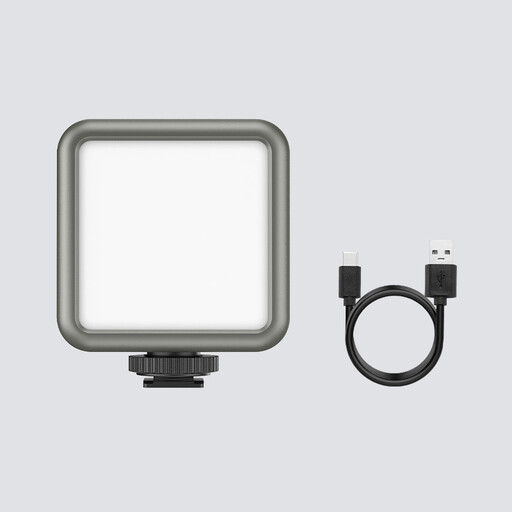
Why This Fits Their Persona: For content creators who need a versatile, portable light source for product photography or vlogs. This light is for creative illumination, not light therapy.
This product is clearly marketed as a video light and does not create the false impression of being a light therapy device. It's the right tool for a different job.
Adjustable colour temperature (2500K-9500K) and RGB mode for creative effects. Integrated battery and magnetic back for maximum flexibility.
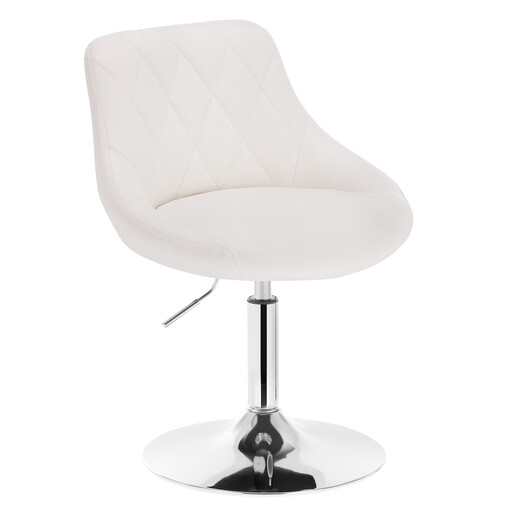
Why This Fits Their Persona: For individuals who take a holistic approach to their workplace well-being. Here, good lighting from a daylight lamp is complemented by ergonomic posture.
This product addresses an often-overlooked aspect of desk wellness: posture. It complements the effect of a daylight lamp rather than competing with it.
Continuously height-adjustable (seat height 42-58 cm) and features a 360° swivel for a flexible and ergonomic sitting position. The backrest provides additional support.
We have compiled a complete, real-time list of products that fully satisfy these strict selection criteria and UK safety regulations.
The recommended duration of use is typically between 20 and 60 minutes per day. It is advisable to use the lamp in the morning to support your natural daily rhythm. The exact duration depends on personal sensitivity and the distance from the lamp. Always follow the specific manufacturer's instructions.
A daylight lamp can help regulate the circadian rhythm (the body's internal clock). By simulating bright morning light, using it in the forenoon can promote a more regular sleep-wake cycle. Use in the late evening should be avoided as it could make it harder to fall asleep. However, for persistent sleep disorders, you should seek medical advice.
The main difference lies in the light intensity and the light spectrum. A light shower or SAD lamp is designed to produce a very high level of illuminance (e.g., 10,000 lux) that mimics the spectrum of natural daylight. A standard desk lamp is only intended to illuminate a workspace and typically achieves an intensity of only about 300 to 500 lux.