
Lieferung heute & morgen

Qualitätsgarantie

Willkommens-Angebote freischalten: KOSTENLOSE Lieferung | Bis zu 80 % RABATT | Kostenlose 30-Tage-JoyPlus-Testphase
App herunterladen
A 10L daypack is a practical everyday carry solution for many. Whether for the daily commute, a short city trip, or a sports activity, its compact size offers enough space for the essentials without weighing you down. However, the market is flooded with options, and the key differences are in the details. This article outlines objective criteria for making your choice and presents several models to help you make an informed decision.
The right backpack should be chosen based on objective criteria and your personal requirements. Three key features are particularly important.
The material determines not only the backpack's durability but also how well it protects your belongings from the elements. A distinction is made between water-repellent and waterproof materials.
A lightweight backpack significantly enhances carrying comfort, especially over extended periods. Models under 300 grams are a good benchmark. For travelers, packability is also crucial. A packable mini backpack that folds into one of its own pockets can be stowed in your main luggage to save space and used as a daypack when needed.
A well-designed compartment layout helps you stay organized. A separate quick-access pocket for keys or a smartphone, a padded compartment for a tablet, and side mesh pockets for a water bottle are practical features for an urban backpack. The carry system, consisting of shoulder straps and possibly a sternum strap, should distribute weight evenly. Ergonomically shaped and padded straps prevent strain and are a key quality indicator for both women's and men's sports backpacks.
Based on the criteria above, here is a selection of products that stand out for their unique features.
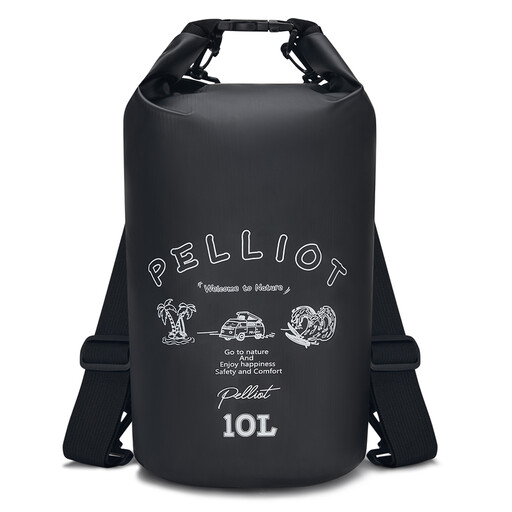
Why It Stands Out: This model is designed as a fully waterproof small backpack. Its thickened, tear-resistant fabric with a high-performance water-repellent coating and roll-top closure reliably protect contents from moisture. Weighing only about 200 grams and being fully packable, it is extremely portable.
Pros:
Who It's For: Ideal for water sports enthusiasts, cyclists, and hikers who need a lightweight, reliably waterproof pack for day trips. It's also an excellent choice for commuters who are out in all weather conditions.
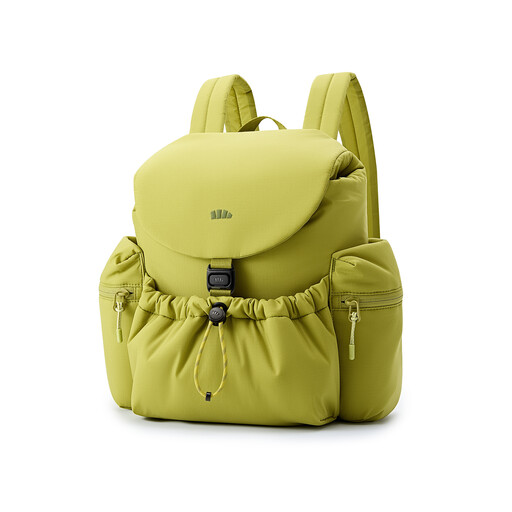
Why It Stands Out: The Beneunder backpack combines an ultralight fabric with a smart organizational system. Weighing just 8.78 oz (approx. 249 g) and featuring Level 4 water repellency (per the manufacturer), it's a functional companion for urban environments. The sliding comfort shoulder strap is designed to distribute pressure evenly.
Pros:
Who It's For: Perfect for the daily commute, shopping trips, or light outdoor activities. Users who value low weight, high carrying comfort, and excellent organization will find this to be a fitting model.
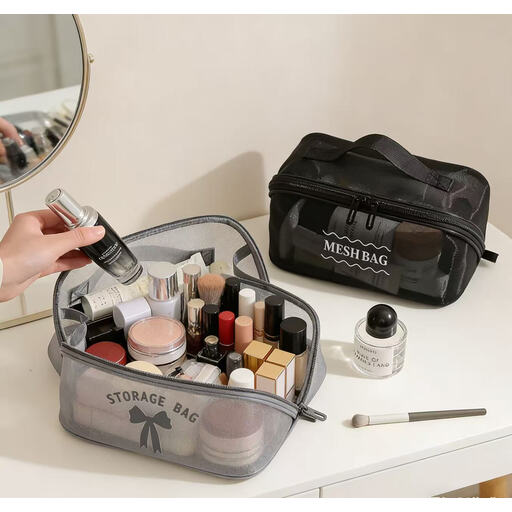
Why It Stands Out: The Verbex H7 isn't a traditional backpack but an extremely compact and lightweight organizational pouch. With dimensions of 10 x 10 x 23 cm and a weight of only about 90 grams, it primarily serves to store cosmetics, charging cables, or other small items during travel or in daily life.
Pros:
Who It's For: For minimalists and organized travelers looking for a separate solution to store small items. It's not a replacement for a 10L daypack, but it is a useful addition for keeping your luggage organized.
If the models presented don't exactly meet your needs, or if you're looking for more flexible solutions, it's worth exploring our broader range. Discover more models in our expandable tote bags category.
1. What fits in a 10L backpack? A 10-liter backpack has room for a day's essentials. Typically, it can fit a light jacket, a 0.5-liter water bottle, a tablet or small laptop (up to approx. 11 inches), a power bank, a smartphone, a wallet, and keys.
2. Is a 10L backpack suitable for hiking? For short, easy hikes of a few hours in stable weather, a 10L backpack can be sufficient for carrying water, snacks, and a rain jacket. For longer or more demanding treks that require more gear (e.g., a first-aid kit, extra layers), backpacks with a larger volume (20L and up) are recommended.
3. How do you clean a waterproof backpack? Most manufacturers recommend wiping the backpack with a damp cloth. For tougher stains, a mild soap solution can be used. Machine washing should be avoided, as it can damage the waterproof coating and sealed seams. Afterward, let the backpack air-dry, avoiding direct sunlight or heat from a radiator. Always follow the manufacturer's care instructions.