
Lieferung heute & morgen

Qualitätsgarantie

Willkommens-Angebote freischalten: KOSTENLOSE Lieferung | Bis zu 80 % RABATT | Kostenlose 30-Tage-JoyPlus-Testphase
App herunterladen
You've decided to buy an electric car, but now you face the next crucial question: What's the most efficient, safe, and cost-effective way to charge it at home? An 11kW wallbox is the standard solution for most homeowners in the UK and Europe. However, the market is crowded and filled with technical jargon. Before you make a decision, it's vital to understand the common pitfalls that can lead to unnecessary costs or functional limitations.
As your Joybuy Product Recommendation Officer, I'll help you understand the essential features and make an informed choice based on facts, not marketing promises.
Many buyers focus solely on the purchase price of the unit, overlooking critical downstream costs and functional drawbacks.
To avoid these mistakes, you should carefully examine three technical aspects. These determine whether a charging station is truly suitable for your home and your needs.
For charging your EV at home, a charging power of 11 kW has established itself as the ideal compromise. It's fast enough to fully charge most electric cars overnight without overloading the home's electrical system. Pay attention to the following standards:
A smart wallbox isn't a gimmick; it's an essential tool for managing costs and electrical load.
Since a wallbox is a powerful electrical installation often installed outdoors, robust protection mechanisms are indispensable.
Based on these objective criteria, we have identified several models that represent a suitable solution for different user profiles.
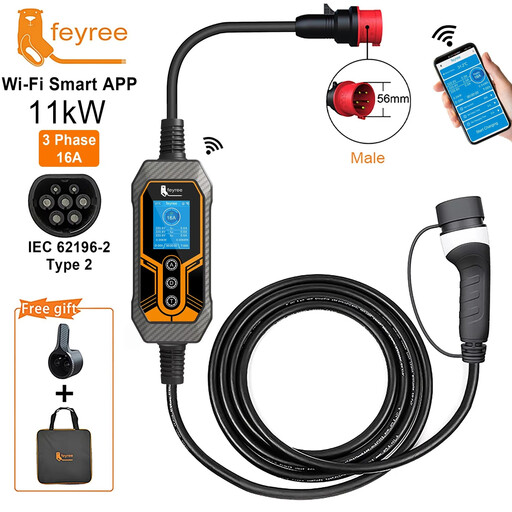
Why This Fits Their Persona: This portable charger delivers a full 11 kW of charging power via a CEE industrial socket, without requiring a fixed installation. It's an excellent solution for renters or owners who want flexibility and the option to take the charger with them on trips.
Despite its portability, it's a smart charging solution. The Wi-Fi app allows you to schedule charging times to avoid expensive peak electricity rates and save money.
No fixed installation required; full 11 kW power; control and scheduling via app.
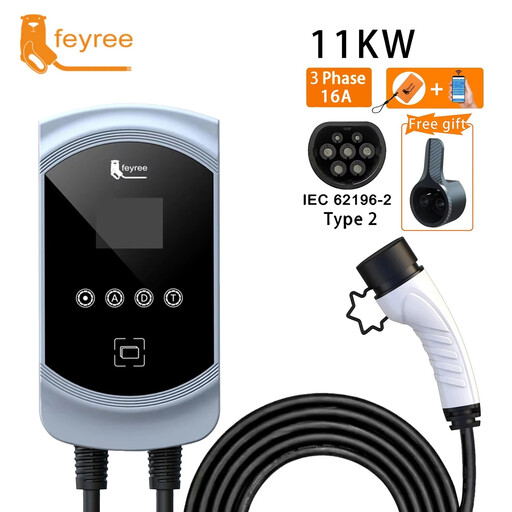
Why This Fits Their Persona: This is a classic, permanently installed wall-mounted charging station designed for daily use. It provides a clean and durable charging solution for the garage or carport and includes all the necessary smart features for everyday life.
As a fully-featured smart wallbox with app connectivity, it prevents high electricity bills through scheduled charging. Its robust design with an IP65 rating and integrated safety mechanisms ensures long-term, reliable operation.
Permanent and clean installation; app control for cost optimisation; comprehensive safety features.
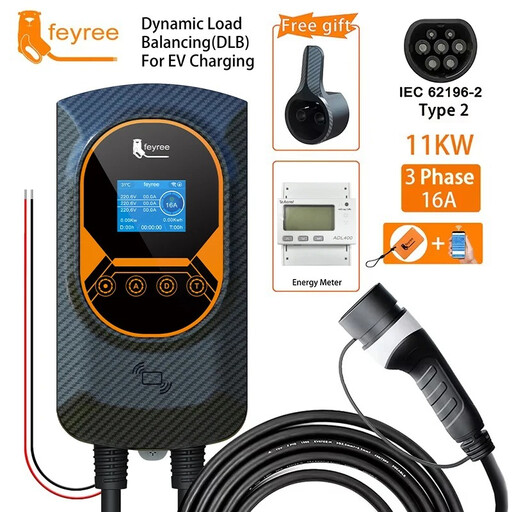
Why This Fits Their Persona: Ideal for households with other major appliances like heat pumps or saunas. The dynamic load balancing ensures the EV always charges at the maximum available power without overloading the home's electrical connection.
This model proactively solves the problem of grid overload. It prevents power outages and the need for an expensive upgrade to the home's electrical system—a hidden cost that many people only notice when it's too late.
Dynamic Load Balancing (DLB) for maximum charging power and safety; app control; IP66 rating for outdoor use.
We have compiled a complete, real-time updated list of products that fully meet these strict selection criteria and European safety regulations.
Yes, in most European countries, an 11kW EV charging station connected to the three-phase grid must be installed by a qualified electrician. Additionally, it often needs to be registered with the local grid operator. This is a legal requirement that ensures your safety and the stability of the power grid.
An 11 kW wallbox is sufficient for most private users and will comfortably charge an EV overnight. It typically only needs to be registered with the grid operator. A 22 kW wallbox charges faster but requires a permit from the grid operator. This permit can be denied if the local grid's capacity is insufficient. Furthermore, the installation is often more complex and costly.
The cost depends on two factors: your electricity tariff (price per kilowatt-hour, kWh) and your vehicle's consumption (kWh per 100 km). For example: with a vehicle consumption of 18 kWh/100 km and an electricity price of 30p/kWh, the cost for 100 kilometres is ?5.40 (18 kWh × ?0.30/kWh). By using a smart wallbox to take advantage of night-time or variable tariffs, these costs can be further reduced.