
Lieferung heute & morgen

Qualitätsgarantie

Willkommens-Angebote freischalten: KOSTENLOSE Lieferung | Bis zu 80 % RABATT | Kostenlose 30-Tage-JoyPlus-Testphase
App herunterladen
A 120x200 H3 mattress can work well for single sleepers, guest rooms, or a compact double bed. However, the “H3” label sounds more definitive than it actually is: firmness levels aren’t standardised across the industry and can vary from one manufacturer to another. Likewise, a 7-zone 120x200 mattress won’t automatically suit every body shape or slatted base.
Before you buy, it’s worth taking a closer look at the construction, cover, height, and return policy. That way, you can avoid the most common purchasing mistakes.
H3 typically stands for “medium firm” or “medium-firm”. But this isn’t a standardised measurement. A medium-firm H3 mattress can feel quite different depending on the foam density, spring core, body weight, and the support of your bed base. What really matters are the specific product details and whether you have a trial sleep or return option.
A 7-zone construction usually divides the sleeping surface into areas for the head, shoulders, back, hips, thighs, lower legs, and feet. This can offer more targeted support. However, the zones need to match your height and preferred sleeping position. On a 120 x 200 cm mattress, you should also check that the zones are correctly aligned lengthwise.
A cover might be advertised as washable, even if only hand washing or a limited temperature is allowed. Similarly, a 25 cm mattress might be too tall for your bed frame, fitted sheet, or safety rail. Before ordering, always check the care instructions, the actual dimensions, and the available depth of your bed base.
For side sleepers, sufficient give in the shoulder and hip area is important so that the spine can rest in as natural a position as possible. Back sleepers often focus more on even support in the lower back and hip area. An orthopaedic mattress isn’t a protected quality mark and doesn’t replace medical advice. The term usually just describes the ergonomic design intended by the manufacturer.
For couples sharing a 120 x 200 cm bed, remember that the width is limited. A pocket-spring mattress can reduce motion transfer thanks to individually responding springs. With a cold foam mattress, motion isolation depends more on the foam construction and density.
A cold foam mattress is lightweight, flexible, and generally easy to place on different slatted bases. A memory foam mattress – or one with a viscoelastic foam layer – responds more to body heat and pressure. This can feel pleasantly contouring, but some people find it warmer to sleep on.
Pocket springs have gaps between the coils, which can help air circulate within the core. Regardless of the material, your bedroom should be aired regularly. A breathable cover alone won’t prevent room humidity or poor under-mattress ventilation.
A 20 cm mattress can be sufficient for many standard beds and is often easier to turn. A 25 cm mattress offers more build height but can be heavier and needs suitable fitted sheets. For allergy sufferers or households with children, a removable cover is practical. The maximum washing temperature must match the manufacturer’s instructions.
A Tencel cover is made from lyocell fibres. It’s often used for its textile feel and moisture absorption. When comparing products, specific details like “removable”, “machine washable at 60 °C”, or “hand wash only” matter more than general marketing claims. Certifications such as OEKO-TEX should be checked against the actual certified component.
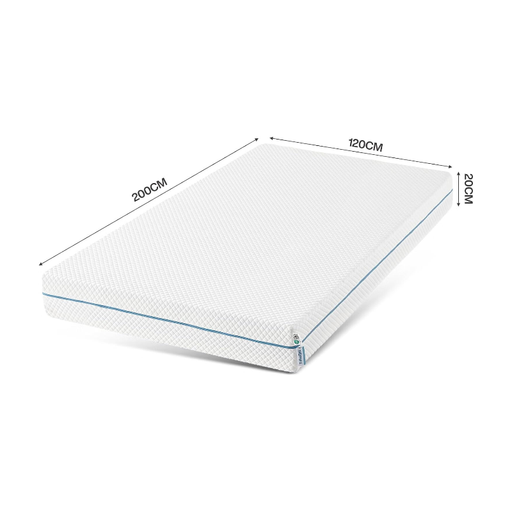
Why this product fits the profile: This 20 cm cold foam mattress has a straightforward construction and is designed for side and back sleepers. The removable lyocell cover can be machine washed at up to 60 °C according to the product details.
The specifications clearly state the firmness level, height, weight capacity up to 150 kg, and a specific washing temperature rather than just a general comfort description.
7-zone foam construction, 20 cm height, removable cover, and a stated 100-night trial period with a 10-year guarantee.
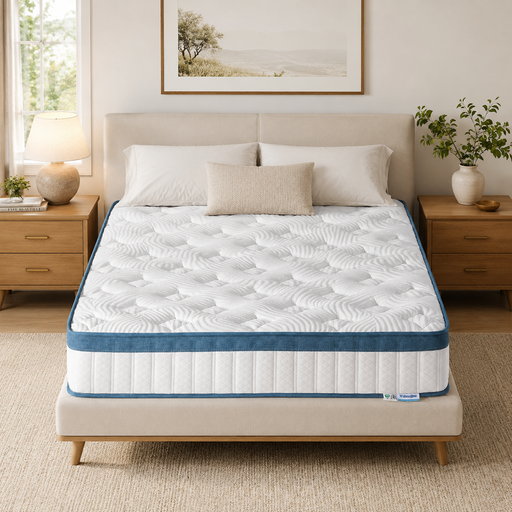
Why this product fits the profile: The construction combines a 7-zone pocket spring core with gel memory foam and a micro-perforated Tencel cover. This is aimed at couples, side and back sleepers, and anyone who values a higher sleeping surface.
The product details clearly state the 25 cm total height, the spring core, the foam layer, and the hand-wash care instructions. This makes it easier to plan for fitted sheets and cleaning.
Individually wrapped pocket springs, gel memory foam, Tencel lyocell cover, plus a stated 100-night trial period and 10-year guarantee.
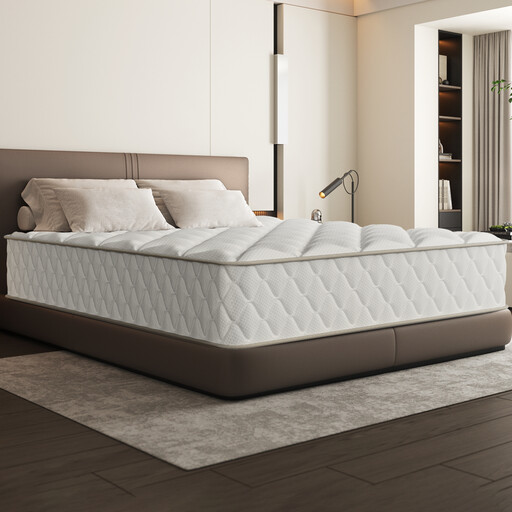
Why this product fits the profile: This 22 cm H3 spring mattress is delivered rolled and is described as suitable for side, back, and stomach sleepers. The included fitted sheet can be handy for guest rooms, children’s rooms, or frequently used sleeping spaces.
The care instructions clearly state that the cover is not removable and should not be washed. Instead, stains should be treated with a mild cleaning agent and a damp cloth.
Nine-layer construction with memory foam and high-density foam, 7-zone support, 2.1 mm steel springs, and a stated maximum weight of up to 150 kg.
We’ve put together a full, regularly updated list of products that fully meet these strict selection criteria and the safety regulations in force in the EU.
Rolled mattresses should be placed on a suitable bed frame or slatted base. You must follow the expansion time stated by the manufacturer; depending on the model, this can range from a few hours to 24–48 hours. Only after this time should you make a final assessment of the height and feel.
For longevity, a suitable slatted base, regular airing, and occasional turning of the mattress (if the manufacturer allows it) are all helpful. A mattress protector reduces soiling but doesn’t replace washing a removable cover. With pocket-spring models, you should also check that your existing bed base is sturdy enough.
H3 can be suitable for side sleepers if the shoulder and hip area give enough. This depends on your individual body weight, the foam composition, and your personal feel. A blanket yes-or-no answer isn’t possible.
The exact time is given in the product instructions. For the models mentioned, the guidance ranges from about two hours to 24–48 hours. During this time, the mattress should lie flat and be well ventilated.
That depends on the construction. If the manufacturer recommends turning or rotating, regularly changing the orientation can help prevent uneven wear. For models with a clearly defined top and bottom, only rotating from head to foot is allowed.