
Lieferung heute & morgen

Qualitätsgarantie

Willkommens-Angebote freischalten: KOSTENLOSE Lieferung | Bis zu 80 % RABATT | Kostenlose 30-Tage-JoyPlus-Testphase
App herunterladen
A 120x60 cm baby mattress needs to offer more than a soft surface. It should fit the intended cot or pram, keep liquids away from the mattress core wherever possible and be easy to clean regularly. At the same time, it must not slip or develop creases.
Many products look similar at first glance. However, differences become apparent in the cover, core material, fastening, and actual dimensions. The following tips help parents and parents-to-be avoid common buying mistakes.
A coating on the upper surface does not automatically mean that the entire mattress is protected against liquids. What matters is whether the cover is removable and whether the seams and zip are adequately covered too.
A TPU mattress cover can be a practical solution because it is designed to keep liquids away from the foam core. However, this claim should be supported by care instructions and specific material information. After washing, the cover must be completely dry before it is put back on.
The description “120x60” usually refers to the length and width, but does not automatically guarantee a suitable fit for every cot. Height is also important: a mattress that is too thick or too small can create gaps or an unsuitable sleeping surface.
Before buying, compare the internal dimensions of the cot, pram or playpen with the product specifications. A thin baby mattress can be useful for a pram or portable sleeping surface, but it is not automatically suitable for every cot.
Terms such as “breathable” or “particularly supportive” are only meaningful when the material and construction are specified. With a breathable foam mattress, for example, the type of foam, thickness and cover are important points of comparison.
Parents should also look for a flat, stable and crease-free sleeping surface for babies. A mattress topper for babies must not lie loose or compromise the fit of the intended sleeping area.
A 120x60 cm baby mattress is only suitable for its intended use if its length, width and height match the furniture. For prams and use on the go, a 120x60 pram mattress may be worth considering. However, pram models differ in their internal shape, sides and fastening systems.
Check the following before placing your order:
Polyurethane or comfort foam is often used for thin mattresses and toppers. Important factors include an even surface, suitable firmness and sufficient resilience. If you use a mattress as a portable sleeping surface, you should also look for a non-slip base.
A non-slip baby mattress may lie more securely on smooth surfaces. However, it does not replace proper fastening and must not be used on an unsuitable or uneven surface.
A washable mattress cover makes it easier to deal with little accidents. Look for:
According to the product information, the Benrita model described here has a polyurethane foam core. The cover features a TPU coating, is removable and is designed for machine washing. The base has a dot pattern to help reduce slipping. The specifications also mention CertiPUR for the foam and OEKO-TEX Standard 100 Class 1 for the fabric. Such certifications should always be checked directly on the specific listing and in the product documentation.
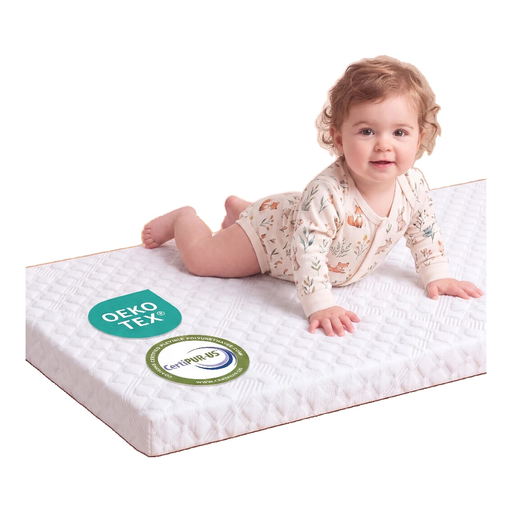
Why this product suits this profile: The thin topper is designed for 120 × 60 cm and, according to the product description, can be used in prams, on the floor and while travelling.
The product information specifies a removable, machine-washable cover with a TPU coating and a base with a dot pattern. Check that it fits the particular pram or cot before use.
120 × 60 cm, polyurethane foam, TPU-coated cover and non-slip underside according to the supplier’s information.
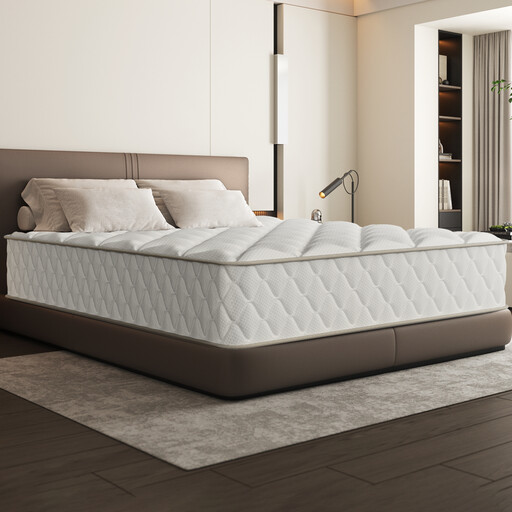
Why this product suits this profile: This model is designed for a larger bed size and is therefore more suitable for a child’s or teenager’s bed, not a 120 × 60 cm cot.
The clear dimensions of 120 × 200 cm show that this product should not be used as a 120x60 cm baby mattress.
H3 firmness, a 7-zone construction and washable cover according to the product description; the dimensions must match the bed.
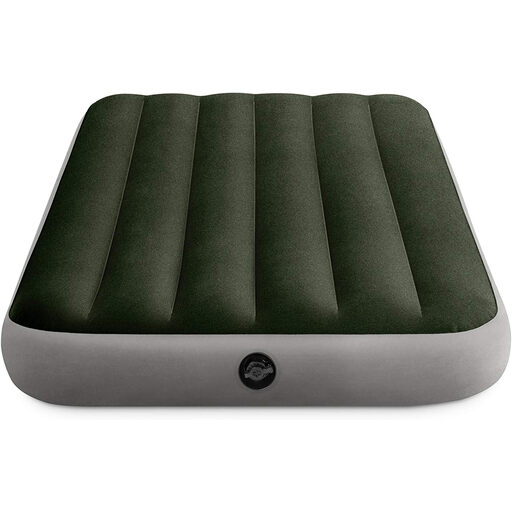
Why this product suits this profile: As an inflatable travel bed, this model is intended for camping or guests. It is not a 120x60 cm baby mattress and is not intended for unsupervised use with babies.
The dimensions of 191 × 76 cm and the clear usage instructions prevent it from being confused with a suitable baby topper.
Inflatable construction, 76 × 191 × 25 cm and a maximum load capacity of 136 kg according to the supplier’s information.
We have put together a complete, regularly updated list of products that fully meet these strict selection criteria and the safety regulations applicable in the EU.
A waterproof baby mattress should not be left damp for long periods. After an accident, we recommend:
The foam core itself should only be cleaned in accordance with the manufacturer’s instructions. If wet cleaning is not recommended, airing it and spot-cleaning the cover is usually sufficient. An additional mattress topper for babies must not make the sleeping surface uneven or alter the fit.
No. In addition to length and width, the height, shape and internal dimensions of the cot must match. Also check the information provided by the cot or pram manufacturer.
That depends on how it is used. If it is visibly soiled or liquid has been spilt, the cover should be washed according to the care label. It must be completely dry after every wash.
That depends on the product’s intended purpose. A thin topper for use in a pram, on the floor or while travelling is not automatically a full-sized mattress for a cot. The manufacturer’s information on dimensions, safety and intended use is crucial.