
Lieferung heute & morgen

Qualitätsgarantie

Willkommens-Angebote freischalten: KOSTENLOSE Lieferung | Bis zu 80 % RABATT | Kostenlose 30-Tage-JoyPlus-Testphase
App herunterladen
A 125cc electric motorcycle is aimed at commuters, city dwellers and motorcyclists looking for a quiet alternative to a petrol bike. However, when choosing one, it’s not just about motor power and design. The legal classification, real-world range, charging practicality and availability of key documents are all crucial factors.
With budget-friendly offers in particular, misunderstandings often arise: a vehicle with “125cc performance” isn’t automatically legal to ride with just any car driving licence, and a claimed range can’t always be achieved in every condition.
The specification electric motorcycle 3000W usually describes the motor’s rated power. Depending on the seller, peak values may also be quoted, but these are only available for short bursts. When making your decision, you should therefore check:
An electric motorcycle with a top speed of up to 80 km/h can be suitable for city traffic and short cross-country rides. However, acceleration, vehicle weight and hill-climbing ability depend on several technical factors and cannot be deduced from the wattage alone.
“Up to 115 km” is a maximum value, not a guaranteed everyday range. Headwinds, low temperatures, frequent stops and starts, inclines, payload and higher speeds can all reduce the range.
For commuters, a simple planning approach is recommended:
An electric motorcycle with a removable battery offers practical advantages if there’s no socket near your parking spot. However, before buying, you should check the battery weight, dimensions and where you plan to charge it.
For an L3e vehicle in the UK, you’ll need the correct vehicle documents, registration, number plate and insurance. An electric motorcycle with a COC is supported by the Certificate of Conformity during registration. However, the document doesn’t automatically cover all the other steps.
After delivery, check:
If you’re unsure, contact the relevant registration authority before buying.
An L3e electric motorcycle is legally a motorcycle and is not the same as a moped or light quadricycle. For the 125cc class, depending on the vehicle data and your personal driving entitlement, A1, A2 or A typically apply. A standard UK car licence (Category B) is not automatically sufficient. The B196 extension may be relevant under certain conditions in some countries, but it doesn’t apply to every vehicle and should be checked before purchase.
Pay attention to:
A removable lithium battery makes charging easier in a flat or garage. At the same time, the battery and charger must be kept dry, frost-free and used according to the manufacturer’s instructions.
For daily rides, hydraulic disc brakes, full LED lighting, rear-view mirrors, indicators and a clear, easy-to-read display are relevant features. For a two-seater, you should also check the permitted number of seats, foot pegs and the maximum authorised weight in the COC.

Why this product fits the profile: This model combines a 125cc-like classification with a stated top speed of up to 80 km/h, making it designed for regular city and commuter rides.
The product details explicitly state the L3e class, an original EU COC and a removable lithium battery. The range is given as “up to” 115 km, so it’s not presented as a fixed everyday figure.
3000 W brushless motor, hydraulic disc brakes, LED lighting, digital display and seating for up to two people according to the COC.
Why this product fits the profile: If you pay particular attention to documentation and safety-related equipment before buying, you’ll find specific details here about the COC, VIN, brakes, lighting and the documents supplied.
The documentation lists the original COC, invoice and Vehicle Identification Number. These details should be checked after delivery; registration and insurance are still required.
Front and rear suspension, hydraulic disc brakes, full LED lighting and a two-seat layout according to the product data.
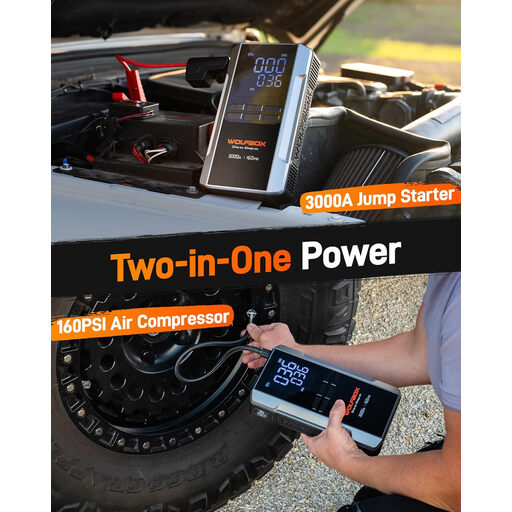
Why this product fits the profile: This device isn’t an electric motorcycle, but it could be of interest to heavy users with multiple vehicles as a 12 V emergency accessory.
The specifications clearly state 12 V systems, 3000 A peak current and the intended vehicle compatibility. It doesn’t replace the vehicle battery or a charger for the electric motorcycle.
59.2 Wh battery, 65 W USB-C fast charging, LED display and multiple protection functions according to the product details.
We’ve put together a full, regularly updated list of products that fully meet these strict selection criteria and the safety regulations in force in the EU.
The electricity costs of an electric motorcycle depend on battery capacity, charging losses, your electricity tariff and riding style. For a rough calculation, you’ll need:
In addition, there are costs for insurance, registration, maintenance, tyres, brake pads and possibly repairs. An electric motorcycle doesn’t need an oil change like a combustion engine, but wear parts and electrical components still require maintenance.
That depends on the vehicle class, top speed and the details in the COC. For an L3e model in the 125cc class, A1, A2 or A generally apply. Category B isn’t automatically valid. Check the specific requirements with the relevant authority before buying.
The range varies depending on temperature, speed, payload, route and riding style. A figure like “up to 115 km” refers to favourable conditions. For everyday use, you should plan with a reserve and not rely solely on the manufacturer’s maximum figure.
For users without a power supply at their parking spot, a removable battery can make charging easier. The battery weight, safe storage, charging time and whether a replacement battery is available are all important. The battery should only be used with the designated charger.