
Lieferung heute & morgen

Qualitätsgarantie

Willkommens-Angebote freischalten: KOSTENLOSE Lieferung | Bis zu 80 % RABATT | Kostenlose 30-Tage-JoyPlus-Testphase
App herunterladen
An electric car for kids is at the top of many wish lists. The joy in a child's eyes as they sit behind the wheel for the first time is priceless. However, the selection is vast, and not every model lives up to its advertising promises. As a Joybuy Product Recommendation Officer, I'll help you distinguish essential features from superfluous ones and make an informed decision. In this guide, we'll highlight the most common pitfalls and show you what really matters in a 12V kids' electric car with a remote control.
The market is full of visually appealing models, but they often hide technical flaws that can quickly spoil the fun. Pay attention to these three points to avoid disappointment.
To avoid the pitfalls mentioned, you should check a few technical specifications before buying. These largely determine the vehicle's safety, performance, and durability.
The battery system's voltage is a fundamental performance indicator.
A remote control is essential, especially for younger children. It allows parents to take over at any time. Look for a 2.4 GHz remote control. This technology ensures an interference-free and dedicated connection to the vehicle, without interference from other devices. An emergency stop button, which can halt the vehicle instantly, offers a crucial extra layer of safety.
A good electric ride-on car is distinguished by thoughtful details:
To make your decision easier, we have selected a few models based on different user profiles.
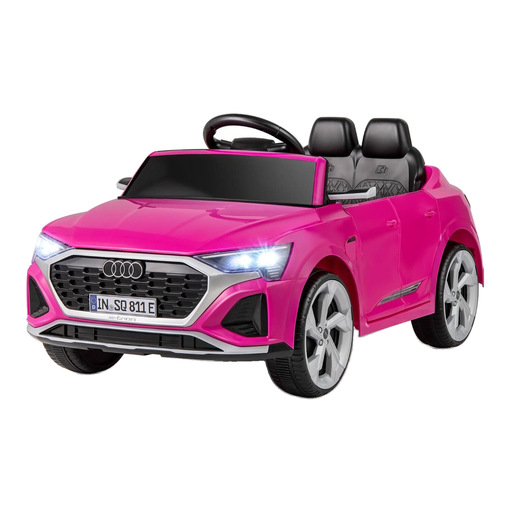
Why This Fits Their Persona: Ideal for parents who value authentic design. As a licensed Audi kids' car, this model combines appealing aesthetics with the necessary safety standards for entering the world of electric cars.
This model features a soft-start function and a parent remote with three speed settings. This avoids the safety pitfall and allows parents to maintain full control.
Officially licensed design for a realistic driving experience. Equipped with LED headlights, music, and a horn for added fun.
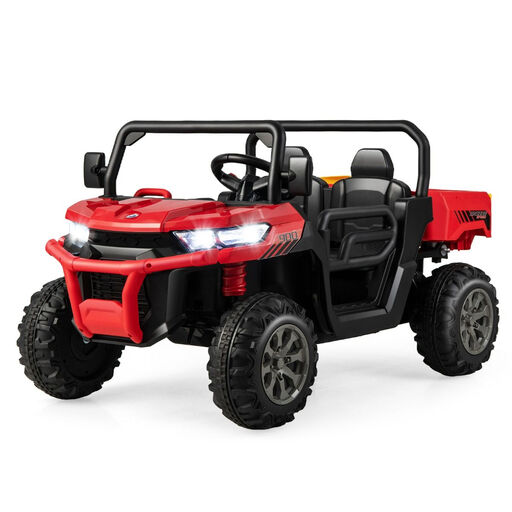
Why This Fits Their Persona: Perfect for siblings or playmates. This electric kids' car solves the problem of only one child being able to ride. With two seats and a high load capacity of 50 kg, shared fun is guaranteed.
This model avoids the "improper size" trap by being explicitly designed as a 2-seater kids' car. The sturdy construction and high load capacity are designed for use by two children.
Two seats for double the fun and a high load capacity of 50 kg. The four-wheel suspension ensures a comfortable ride even when fully loaded.
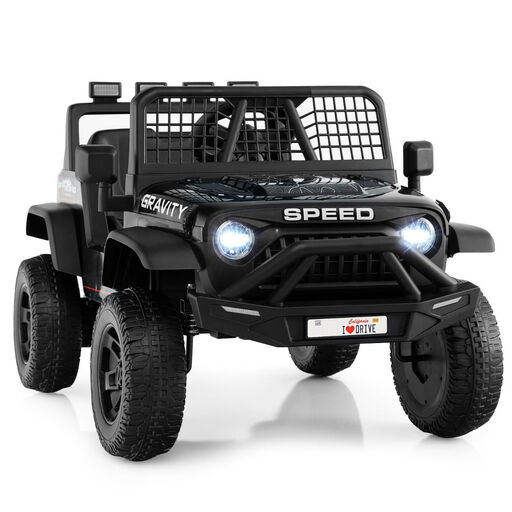
Why This Fits Their Persona: For kids who want to drive on more than just the patio. The 24V system with two 35W motors provides the necessary power to move reliably on grass or gravel paths.
This vehicle solves the battery performance trap. While 12V models quickly reach their limits on uneven ground, the 24V power ensures constant propulsion and longer-lasting fun in the garden.
Powerful performance thanks to a 24V battery and two 35W motors. The front-wheel suspension and non-slip wheels improve stability on various surfaces.
We've compiled a complete, up-to-date list of products that fully meet these strict selection criteria and safety standards.
The actual ride time heavily depends on factors like the child's weight, the surface texture, and the use of lights or music. On average, you can expect about 45 to 90 minutes of continuous ride time from a fully charged 12V battery. Charging time is typically 8 to 12 hours.
Most models are delivered partially assembled. The customer usually needs to attach the wheels, steering wheel, seat, and possibly the mirrors. The process is typically straightforward and explained step-by-step in the manual. It's advisable to have the necessary tools (usually a screwdriver and wrench) ready beforehand. Plan for about 30 to 60 minutes for assembly.
A 12V kids' electric car is primarily designed for firm, flat surfaces like asphalt, concrete, or wooden floors. On these surfaces, it achieves its optimal speed and battery life. Driving on short, dry grass is possible but will reduce performance and ride time. For regular driving on uneven terrain or grass, a 24V model with more powerful motors is the better choice.