
Lieferung heute & morgen

Qualitätsgarantie

Willkommens-Angebote freischalten: KOSTENLOSE Lieferung | Bis zu 80 % RABATT | Kostenlose 30-Tage-JoyPlus-Testphase
App herunterladen
A sideboard is more than just a piece of furniture; it's a central element for bringing order and style to your living space. A 150 cm oak-effect sideboard is particularly popular, as it combines a warm aesthetic with generous storage. However, the sheer number of options can quickly become overwhelming. Many models look appealing online but turn out to be impractical or unstable after purchase.
As your Joybuy Product Recommendation Officer, I'm here to help you recognise the common pitfalls and make an informed decision. We'll focus on the features that truly matter, ensuring your new furniture brings you joy for years to come.
Before you decide on a model, you should be aware of three common flaws that often only become apparent after assembly:
To avoid the problems mentioned above, you should focus on three core aspects when making your selection. These define the quality and longevity of your new sideboard.
The term "oak-effect" describes a decorative foil or a melamine resin finish applied to a substrate panel—usually medium-density fibreboard (MDF). This is not a disadvantage, as long as the quality is right. Pay attention to the following points:
A modern sideboard should adapt to your needs. A well-thought-out combination of different storage elements is crucial here.
Stability is paramount. A sideboard with a metal frame often offers increased stability and a modern look. Regardless of the design, an anti-tip kit is essential. This small component, which anchors the furniture to the wall, prevents it from tipping over and should be standard for any tall or deep cabinet.
Here are some recommendations tailored to different needs and living situations.
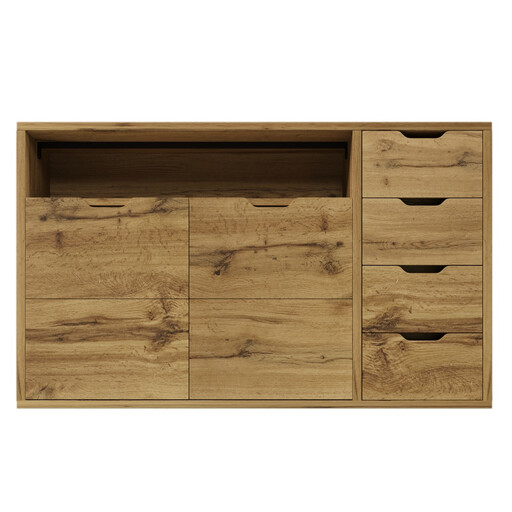
Why it's a great fit: Ideal for anyone seeking a comprehensive and stylish storage solution for the living room, hallway, or dining room. It combines a modern living room chest of drawers with the functionality of a classic oak-effect credenza.
This model addresses all three core problems: it comes with an anti-tip kit for maximum safety, the doors feature soft-close hinges, and the shelves are height-adjustable, preventing an impractical layout.
The combination of four drawers, two doors, and an open compartment offers an exceptionally versatile mix of concealed and open storage. The sturdy metal frame ensures a stable footing.
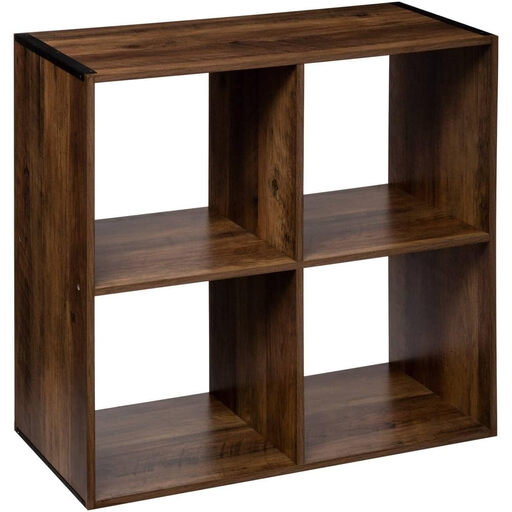
Why it's a great fit: Perfect for users who need an adaptable storage solution. This modular shelf isn't a classic sideboard but a flexible alternative for home offices or evolving living spaces.
Its modularity completely bypasses the problem of a rigid interior layout, as you can configure the compartments as needed. Wall mounting is provided to ensure stability.
The system is expandable and adapts to future needs. Its industrial style offers a striking alternative to the classic wood look.
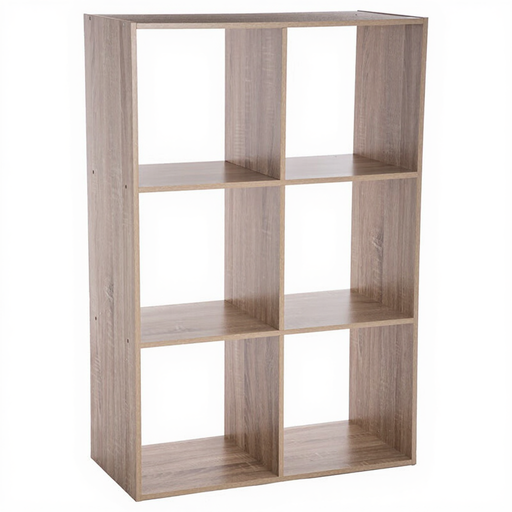
Why it's a great fit: For those who primarily want to display decorative items, books, or plants. This open shelf serves as a stylish stage rather than concealed storage.
As an open shelving system, there are no doors or drawers that could jam. Its clear function as a display piece prevents false expectations about storage capacity. The wooden construction is designed for stability to hold books and decor.
The open design makes the room feel more airy and puts your favourite pieces front and centre. The warm, natural wood look creates a cosy atmosphere.
We have compiled a complete, up-to-date list of products that fully meet these strict selection criteria and safety regulations.
Oak-effect refers to a durable and low-maintenance plastic surface (laminate or foil) applied to a substrate panel like MDF. It is very resistant to scratches and moisture. Real wood veneer is a thin layer of genuine oak wood that is glued to the substrate panel. It has a more natural feel but is more delicate and requires more maintenance.
The included anti-tip kit usually consists of a bracket or strap that is attached to the top or back of the sideboard and to the wall. It is important to use a wall anchor and a screw suitable for your wall type. The kit should be fastened to a stable, load-bearing wall to ensure maximum safety.
Care is straightforward. A soft, slightly damp cloth is usually sufficient to remove dust and light dirt. Afterwards, the surface should be wiped dry. Avoid harsh cleaning agents or abrasive sponges, as they can damage the surface.