
Lieferung heute & morgen

Qualitätsgarantie

Willkommens-Angebote freischalten: KOSTENLOSE Lieferung | Bis zu 80 % RABATT | Kostenlose 30-Tage-JoyPlus-Testphase
App herunterladen
A 160x200 cm memory foam mattress gives couples and individuals plenty of room to sleep. However, mattresses can vary considerably in their construction, ventilation, firmness and care requirements. If you focus only on terms such as “ergonomic”, “7 zones” or “gel foam”, you could overlook important details.
Three common buying mistakes can lead to a poor choice:
A medium-firm mattress may suit different sleeping positions, provided it offers enough support without giving way too much. Side sleepers may benefit from some give around the shoulders and hips. Back and front sleepers often need a firmer surface to stop their bodies sinking in too far.
Product details should tell you more than just “Medium” or “H3”. Check the following:
A 12 cm mattress may feel different from an 18 or 26 cm model with several layers. The term H3 mattress is not fully standardised either, so it should always be considered alongside the other product details.
Memory foam moulds to your body in response to heat and pressure. This can create a calmer feel, which may appeal to couples who want to reduce the movement transferred from one side of the bed to the other. Foam can also respond differently depending on the room temperature and the material.
When choosing an ergonomic mattress, look for a clear description of its zones or layers. A 7-zone mattress divides the sleeping surface into areas with different levels of support. This does not automatically mean it will fit your body perfectly, but it does give you specific information about how the mattress is made.
Alternatives such as a pocket sprung mattress combine foam with individual springs and may offer a different level of ventilation and responsiveness. If you prefer a more moulding feel, you could consider a gel memory foam mattress instead.
Air-permeable materials and a suitable bed base are important for a comfortable sleeping climate. A breathable mattress made with open-cell foam or gel-infused layers can help air circulate through the material. However, it does not replace regular ventilation in the bedroom.
When buying, also look for:
A hypoallergenic mattress describes a product feature or a claim made by the manufacturer, but it is not a guarantee that it will suit everyone. You should also check the specific standard and product documentation for an OEKO-TEX mattress. The same applies to a CertiPUR-certified mattress: what matters is which layers and materials are covered by the certification.
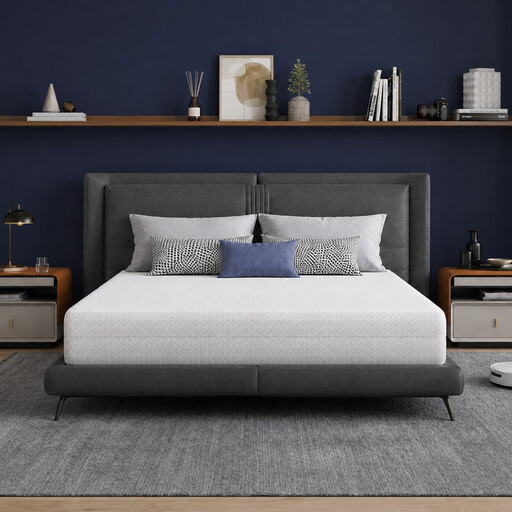
Why this product suits this profile: At 12 cm high, this medium-firm memory foam mattress is aimed at shoppers looking for a compact 160x200 cm option without a multi-layer construction.
The product details specify the firmness, height, open-cell foam structure and removable cover, rather than relying solely on general comfort claims.
Machine-washable cover at 60 °C according to the product description; CertiPUR-US-certified foam and testing to OEKO Standard 100, according to the seller.
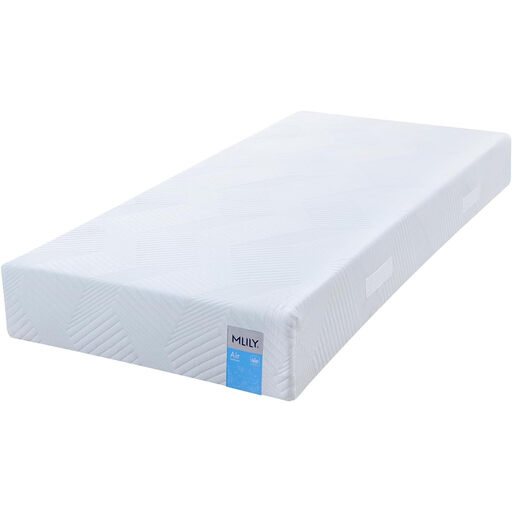
Why this product suits this profile: This model combines three layers, 7 comfort zones, AirCell memory foam and Cool-Flex gel foam. It is a good option for shoppers who want to compare the construction and certification details closely.
The product details list the individual layers, H3 firmness, 7 zones and care instructions. This makes it easier to compare the construction with your own requirements.
According to the product description: 18 cm high, weighs 21 kg, 7 ergonomic comfort zones, plus OEKO-TEX and CertiPUR details.
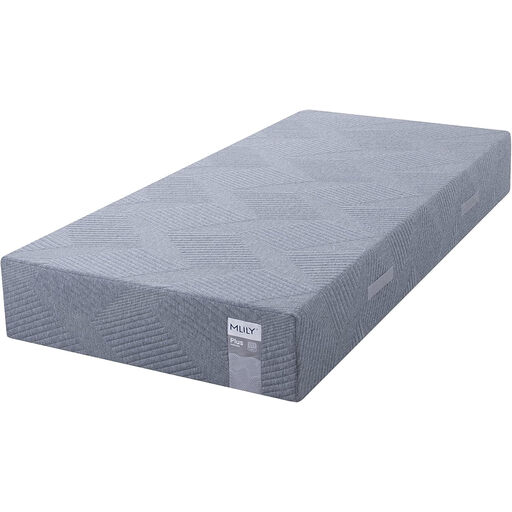
Why this product suits this profile: At 26 cm high, this four-layer mattress combines memory foam with a Dynamic-Zoning pocket spring system. It is designed for people who prefer a more complex construction and a deeper mattress.
Rather than relying on general comfort claims, the product description specifies the types of foam, the spring system, the number of layers and the height, and advises turning the mattress regularly.
26 cm high, four-layer construction, 7 comfort zones and a Dynamic-Zoning pocket spring system with individually wrapped springs, according to the product details.
A mattress delivered rolled up should first be laid flat on a suitable base. Follow the manufacturer’s instructions on how long it needs to expand before using it regularly. The base should be stable and allow air to circulate.
For day-to-day care, these steps can help:
We’ve put together a complete, regularly updated list of products that meet these strict selection criteria and fully comply with the safety regulations in force in the EU.
This depends on the construction and the manufacturer’s instructions. After unpacking, let the mattress expand fully and air the room. Wait until it has reached most of its shape and height before using it regularly.
This size gives two people a shared sleeping surface. Whether it is suitable for everyday use also depends on the weight limit, firmness, motion transfer and how much space you each need. Couples should also check that they are both comfortable with the same feel.
A suitable bed base, turning the mattress regularly as instructed by the manufacturer, a washable protective cover and a dry room can all help you care for it properly. Signs of wear, such as permanent dips, damage to the material or reduced support, should be taken into account regardless of the product’s advertised lifespan.