
Lieferung heute & morgen

Qualitätsgarantie

Willkommens-Angebote freischalten: KOSTENLOSE Lieferung | Bis zu 80 % RABATT | Kostenlose 30-Tage-JoyPlus-Testphase
App herunterladen
An 18 V cordless impact drill driver combines cordless convenience with drilling, screwdriving and occasional impact drilling in masonry. But whether you’re a DIY enthusiast, tradesperson or professional, choosing the right one is about more than just voltage. The battery system, torque, chuck, what’s included and how you’ll actually use it all matter.
If you focus only on high speeds or a high impact rate, you could end up with a tool that doesn’t suit the equipment you already own. The points below will help you avoid common buying mistakes.
The label ‘18 V’ doesn’t automatically mean that a tool uses a universal battery system. A Makita 18V LXT battery won’t normally fit a tool designed for Bosch Professional 18V. Lithium-ion batteries that look similar aren’t necessarily interchangeable either.
Before you buy, check:
A cordless impact drill driver without a battery can be a good choice if you already own compatible batteries. If you’re just getting started, a kit with a charger and at least one battery is often easier to choose, even if the initial purchase price is higher.
A high impact rate doesn’t automatically mean a tool is suitable for every type of masonry. Impact drilling combines short, rapid blows with a rotary action. For concrete, hard bricks or extensive chiselling, a dedicated cordless rotary hammer with a specialist hammer mechanism is often a better choice.
A cordless impact drill driver is typically suited to:
For regular work in hard concrete, check the manufacturer’s maximum drilling diameter and recommended applications.
Figures such as 63 Nm or 73 Nm are based on specific test conditions. Manufacturers may quote ‘hard torque’, ‘maximum torque’ or use other measurement methods, so figures aren’t always directly comparable.
Also worth considering:
A higher torque figure isn’t always an advantage. For small screws, a finely adjustable clutch can be more useful than maximum power.
A 13 mm metal chuck can take larger drill bits than a smaller plastic chuck, making it a sturdy option for frequent use in metal or wood. A keyless chuck makes changing bits easier. When checking specifications, distinguish between an all-metal chuck and components that are simply metal-coated.
A brushless motor operates without traditional carbon brushes, so there’s no need to replace this common wear part. That doesn’t mean the whole tool is maintenance-free, though. The chuck, gearbox, battery and electronics are still subject to wear.
Brushed motors can be perfectly adequate for occasional DIY jobs. If you’ll be using the tool frequently, motor protection, spare parts availability and access to compatible batteries are important factors to consider.
A cordless drill with LED light can be useful when fitting items inside cupboards, alcoves or other poorly lit areas. A side handle, belt hook and well-balanced weight can also make the tool more comfortable to use.
Make sure you take appropriate safety precautions:
Always follow the manufacturer’s instructions, particularly for charging conditions, operating limits and approved accessories.
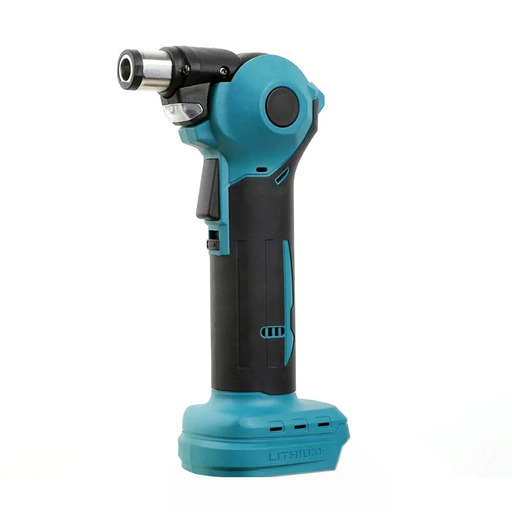
Why this product suits this user: This compact tool may appeal if you already own compatible 18 V lithium-ion batteries for Makita tools and want a portable option for lighter woodworking jobs. The battery and charger are not included.
The product description specifies battery compatibility and clearly states that the battery and charger are not included. This makes it easier to check what you’ll need before buying.
180 W motor, stated no-load speed of 14,000 rpm, 4,200 impacts per minute and a weight of 0.85 kg.
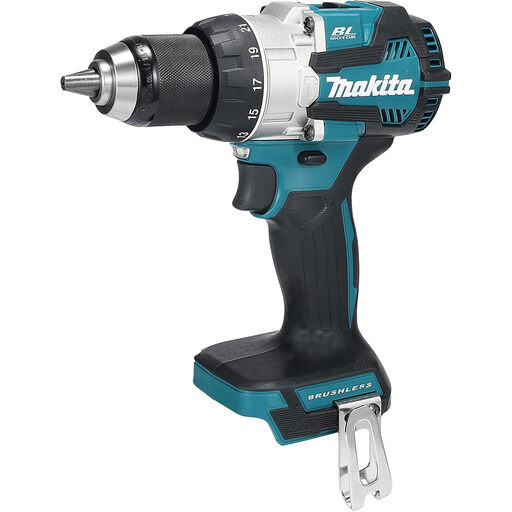
Why this product suits this user: This bare tool is aimed at users in the Makita 18V LXT system who already own batteries and prefer a metal housing, a two-speed gearbox and an LED work light.
The specifications clearly state the maximum torque of 73 Nm, the 13 mm chuck and that batteries are not included. This makes it easier to compare the tool with components in your existing system.
Brushless motor, 1,800 rpm, 73 Nm, XPT protection against dust and water, and deep-discharge protection according to the product description.
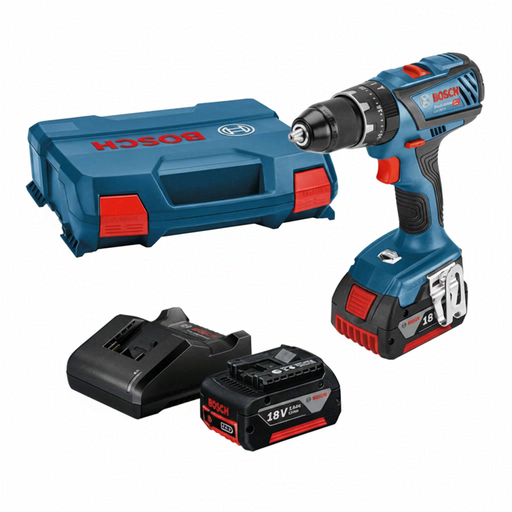
Why this product suits this user: This kit is designed for people who work regularly and need a complete package with two batteries, a charger and an L-Case. It’s part of the Bosch Professional 18V system.
The package contents are clearly listed: two 3.0 Ah batteries, a GAL 18V-20 charger and an L-Case. The recommended drilling diameters for wood, steel and masonry are also specified.
63 Nm hard torque, 28,500 impacts per minute, 13 mm all-metal chuck, LED light and electronic motor protection.
We’ve put together a complete, regularly updated list of products that meet these strict selection criteria and fully comply with the safety regulations in force in the EU.
The impact drilling function may be sufficient for occasional small holes in masonry. For regular drilling in concrete or larger holes, a cordless rotary hammer with a suitable chuck is usually a more practical choice. Check the manufacturer’s recommendations for materials and drilling diameters.
Runtime depends on battery capacity, material, drill bit diameter, torque and how long you work between breaks. A 3.0 Ah battery won’t necessarily last the same amount of time in every application. Two batteries are handy for longer installation jobs: you can charge one while using the other in the tool.
A brushless motor can be a good option if you use your tool frequently, as there are no carbon brushes to replace. For occasional jobs, a brushed motor may be perfectly adequate. The right battery system, features, spare parts availability and the demands of your day-to-day work are still what matter most.