
Lieferung heute & morgen

Qualitätsgarantie

Willkommens-Angebote freischalten: KOSTENLOSE Lieferung | Bis zu 80 % RABATT | Kostenlose 30-Tage-JoyPlus-Testphase
App herunterladen
Buying a bulk pack of rice is an economical choice for families, restaurants, and anyone who likes to keep a well-stocked pantry. An 18kg bag of Jasmine rice, in particular, promises long-lasting enjoyment and is a cornerstone of Asian cuisine. However, this purchase also has its pitfalls. Many buyers invest in a large quantity, only to discover later that the quality doesn't meet their expectations.
As your Joybuy Product Recommendation Officer, I'll help you identify the common traps and make an informed decision. We'll focus on the facts that truly matter.
Common Pitfalls When Buying Rice in Bulk:
To avoid a bad buy, you should check three core aspects before making a decision. These will help you objectively assess the quality of a bulk rice pack.
Jasmine rice, also known as fragrant rice, is a long-grain fragrant rice primarily grown in Southeast Asia. Its key characteristics are:
Pay attention to the country of origin. Rice from Thailand (especially with the "Thai Hom Mali" designation) or Cambodia is often considered the benchmark for high quality.
For an 18kg bulk pack of rice, the packaging is crucial for its shelf life. Good packaging must meet the following criteria:
High-quality packaging is a clear indicator that the manufacturer values the protection of their product.
The quality of the rice can be assessed just by looking at the raw grains. A crucial factor is the broken grain percentage.
Here are some recommendations tailored to different needs and households.
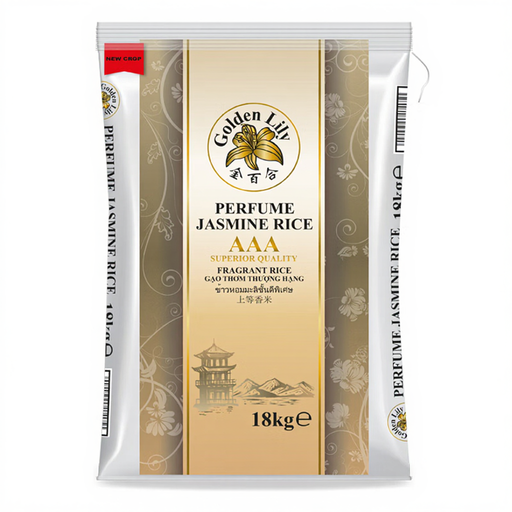
Why This Fits Their Persona: This 18kg pack offers a cost-effective solution for a family's daily rice needs. The quality is designed for everyday use as steamed rice or for porridge, delivering a reliable result.
It is delivered in a sturdy, woven sack that effectively protects the contents from moisture and aroma loss—a clear advantage over thin paper bags.
The large 18kg format offers excellent value for money. The Golden Lily Jasmine Rice brand is known for its consistent quality in staple foods.
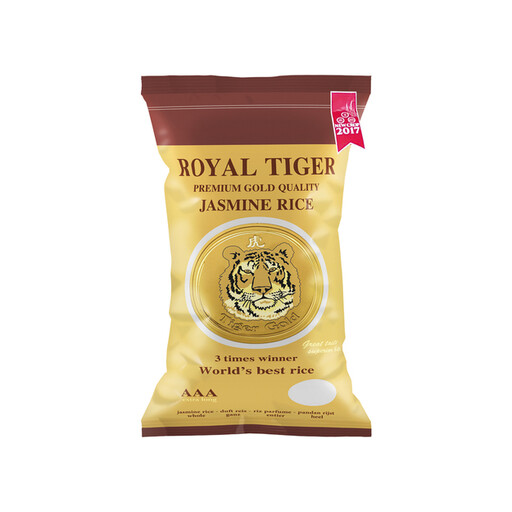
Why This Fits Their Persona: For cooks and households where aroma and perfect grain texture are the priority. Ideal for special dishes where the rice is more than just a side.
The product description points to multi-award-winning quality and the "highest quality grade." This provides a more transparent claim than vague "premium" advertising.
This rice from Cambodia is known for its distinct aroma and excellent grain quality. It consistently delivers fluffy, fragrant results.
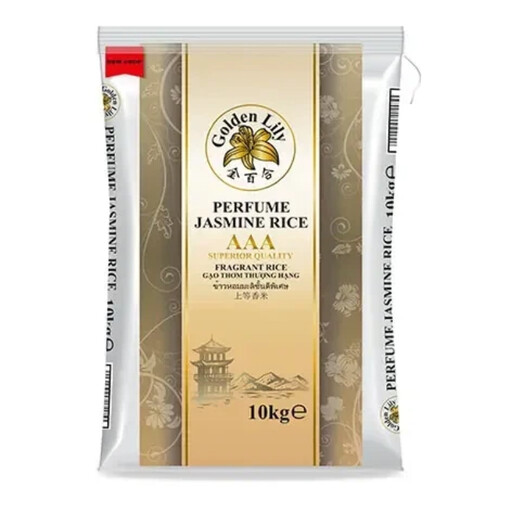
Why This Fits Their Persona: Ideal for smaller households or buyers who want the benefits of buying in bulk but don't have space for an 18kg sack. A great way to test a brand's quality.
By choosing a smaller bulk pack, you minimize the risk of a complete purchasing mistake. You can test the quality before committing to a full 18kg quantity long-term.
Offers a good balance between quantity, price, and easier storage. The rice is versatile and comes from an established brand in the Asian food sector.
We have compiled a complete, up-to-date list of products that fully meet these strict selection criteria.
Proper storage is crucial to maintain the quality of your bulk rice pack. It's best to open the sack and transfer the rice into several smaller, airtight containers. Store them in a cool, dry, and dark place, such as a pantry. This protects the rice from moisture, pests, and loss of aroma.
Although both are long-grain rice varieties, they differ significantly. Jasmine rice comes from Southeast Asia, has a floral aroma, and becomes slightly sticky after cooking. It is the foundation for many Thai and Chinese dishes. Basmati rice originates from the Indian subcontinent, has a nuttier aroma, and its grains remain dry and separate after cooking. It is typically used for Indian curries and biryanis.
In its unopened original packaging, Jasmine rice can often last for one to two years when stored in a cool, dry place. Always check the best-before date on the package. Once opened, the rice should ideally be consumed within 6 to 12 months to ensure its characteristic aroma is not lost.