
Lieferung heute & morgen

Qualitätsgarantie

Willkommens-Angebote freischalten: KOSTENLOSE Lieferung | Bis zu 80 % RABATT | Kostenlose 30-Tage-JoyPlus-Testphase
App herunterladen
An 18V cordless combi drill is suitable for many common jobs around the home, in furniture making, during interior renovations and on building sites. However, models vary considerably in torque, chuck, battery system and what’s included. If you focus only on a high Nm rating or a large battery capacity, you could end up buying a tool that isn’t right for the job.
A high torque rating can be useful for driving long screws into tough materials. But for controlled screwdriving, torque settings, precise speed control and the right gearing are also important. A tool with a very high maximum torque can be unnecessarily powerful for small screws, potentially damaging screw heads or workpieces.
So look for a combination of:
Many cordless combi drills are sold as bare tools. In that case, you’ll need to buy the battery and charger separately. Before buying, check what’s included:
A combi drill with battery and charger can be a better-value option if you’re new to cordless tools. If you already own a compatible battery system, a bare tool may work out cheaper.
The impact function on a cordless combi drill helps with drilling into masonry. However, for frequent drilling into concrete or larger-diameter holes, a cordless rotary hammer drill with a dedicated hammer mechanism is usually the more suitable type of tool. A combi drill is primarily a versatile cordless drill for wood, metal, masonry and screwdriving.
18V cordless drill refers to a common nominal voltage class. Some manufacturers describe comparable systems as 20V Max. The voltage rating isn’t the only thing that matters: compatibility within the relevant product range is also important.
Bosch Professional uses an 18-volt system with the GSB 18V-28. The Makita DHP489Z is compatible with Makita’s 18V LXT battery system. The SKIL 3018HF uses PWRCORE 20 technology. Batteries from different brands or systems shouldn’t be combined unless the manufacturer has explicitly approved this.
A 13mm metal chuck offers a wide clamping range and can be a sturdy choice for regular use. Other features to look for include:
For furniture assembly and occasional repairs, a solid plastic or composite housing is often sufficient. A metal chuck can be more practical if you use the tool frequently on building sites.
A 2-speed gearbox typically offers a slower setting with higher torque and a faster setting for drilling. Also check the maximum drilling diameters for wood, steel and masonry. These are manufacturer specifications, not recommendations for every material.
A high impact rate is only useful if you’re using suitable masonry drill bits and the tool is designed for the job in hand. For concrete, natural stone or regular chiselling, compare cordless rotary hammer drills instead.
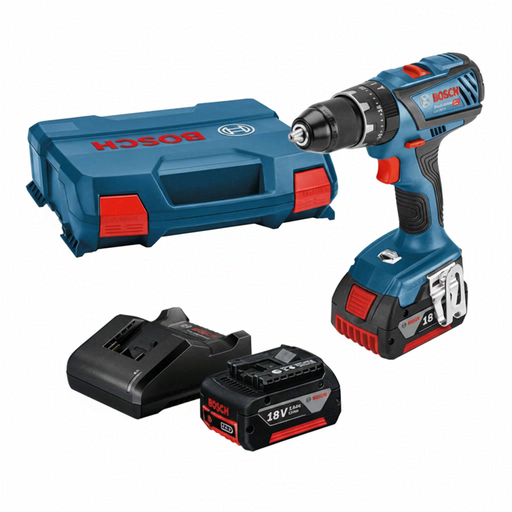
Why this product suits this type of user: This kit is designed for users who need a complete 18-volt package for working with wood, steel and masonry, as well as for screwdriving. It includes two 3.0 Ah batteries, a charger and an L-Case.
The package contents explicitly list the batteries and charger. The 13mm all-metal chuck and 20 + 2 torque settings also make it easier to assess the tool beyond the marketing claims.
63 Nm hard torque, 0–500 / 0–1.900 min⁻¹, up to 28,500 impacts per minute and an electronic motor protection function, according to the product specifications.
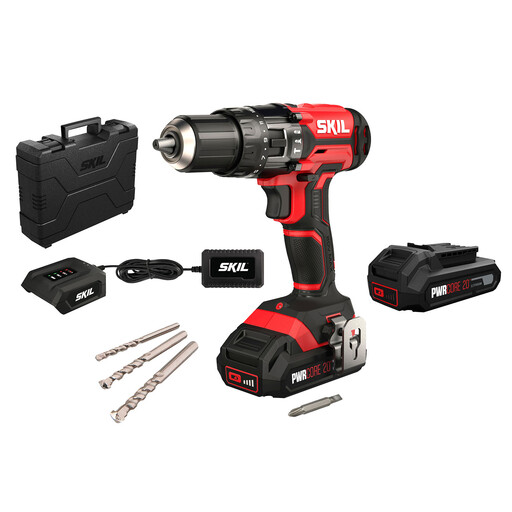
Why this product suits this type of user: Its three functions—screwdriving, drilling and impact drilling—cover common DIY jobs. According to the product description, it’s supplied as a bare tool, so you’ll need to check whether the battery and charger are sold separately.
The product description points out that the battery and charger aren’t included. This makes it easier to work out the true total cost before placing your order.
13mm Auto-Lock chuck, 17 torque settings plus drilling and impact drilling modes, LED work light and 2-speed gearbox.
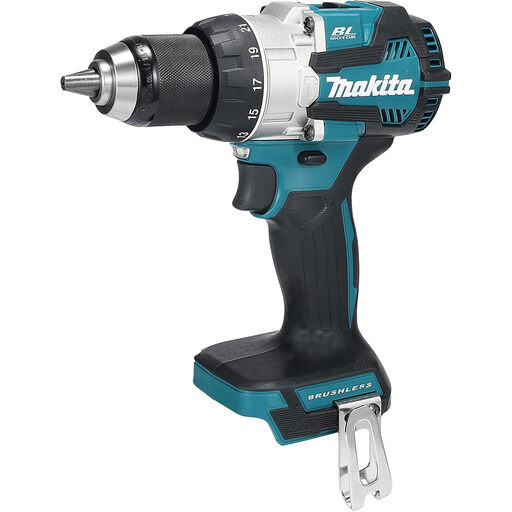
Why this product suits this type of user: This brushless cordless combi drill is worth considering if you already own batteries from Makita’s 18V LXT system and prefer to buy a bare tool.
The “Z” in the model name indicates that the battery and charger aren’t included. This makes it clear that the tool is primarily intended for users who already own Makita equipment.
73 Nm maximum torque, 13mm chuck, 2-speed gearbox, LED work light and XPT protection, according to the product specifications.
We’ve put together a complete, regularly updated list of products that meet these strict selection criteria and the safety regulations applicable in the EU.
Before drilling, check that your drill bits and screwdriver bits are suitable for the material. Safety glasses, hearing protection and, for dusty jobs, a suitable dust mask are all part of your personal protective equipment. Store the battery and charger somewhere dry and clean, away from excessive heat.
Running costs depend mainly on the battery system, how many batteries you need and the charger. If you use the tool frequently, a second battery can help reduce interruptions. For occasional use, a kit with one battery may be enough, as long as the charging time fits your schedule.
The impact drilling function can be suitable for brick, sand-lime brick and light drilling work in masonry. For concrete, larger-diameter holes or regular chiselling, a cordless rotary hammer drill is generally the more suitable choice.
Battery life depends on battery capacity, material, drilling diameter, torque and how you use the tool. A 3.0 Ah battery doesn’t guarantee a specific run time. It will run down faster under heavy load than during light assembly work.
A brushless motor can offer design advantages if you use the tool regularly. However, the battery system, torque control, chuck, weight and what’s included remain important. For occasional jobs, a model with a traditional motor may also be sufficient, provided its specifications suit the work.