
Lieferung heute & morgen

Qualitätsgarantie

Willkommens-Angebote freischalten: KOSTENLOSE Lieferung | Bis zu 80 % RABATT | Kostenlose 30-Tage-JoyPlus-Testphase
App herunterladen
An 18V cordless hammer drill driver should deliver reliable performance when driving screws, drilling and hammer drilling. In practice, however, voltage alone doesn’t determine whether a tool is right for you. Torque, chuck, battery platform and what’s included all affect how well it suits furniture assembly, renovation, woodworking or regular indoor fitting work.
An 18V cordless drill driver can perform very differently depending on its motor, gearbox and electronics. A compact model is usually enough for occasional screwdriving. For long or large screws, or drilling into harder materials, suitable torque and effective power transfer are essential.
So, check the following:
Many tools are sold without a battery and charger. This is common with platforms such as Makita 18V LXT and Bosch Professional 18V. The advantage is that if you already own compatible batteries, you can buy the bare tool. For first-time buyers, however, this means an additional cost.
Before you buy, check:
A set including a battery and charger may therefore work out cheaper overall than buying the tool on its own and purchasing the accessories separately.
A cordless hammer drill driver uses rapid axial impacts when hammer drilling, making it suitable for lighter work in masonry. A cordless rotary hammer with a pneumatic hammer mechanism is a different class of tool, designed for frequent drilling into concrete and hard building materials.
A hammer drill driver is often a good choice for wood, metal and occasional plug holes in masonry. For lots of drilling into concrete, check the manufacturer’s specifications and the tool’s design carefully.
High torque helps when driving larger screws and drilling larger holes. However, the Nm figure alone isn’t a reliable measure of quality. It’s also important to consider whether the tool has multiple torque settings and how precisely you can control the power when driving screws.
A two-speed gearbox usually offers:
A 13mm keyless chuck can hold drill bits and screwdriver bits of different diameters. A metal chuck is designed for regular use and may offer greater wear resistance than a basic plastic version. Always use drill bits suited to the material and the recommended speed.
A brushless motor works without traditional carbon brushes. Manufacturers often associate this design with less maintenance and more efficient use of battery power. However, the tool’s design, gearbox and working conditions still matter.
Other useful features include:
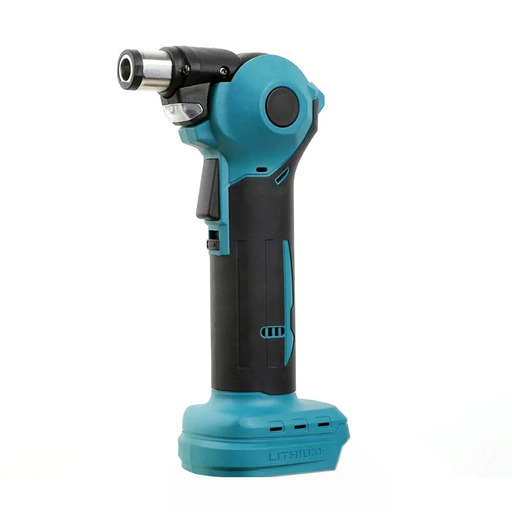
Why it suits this user: This tool is aimed at buyers looking for a cordless 18V model for woodworking and occasional assembly jobs who already own compatible Makita 18V lithium-ion batteries.
The product details clearly state which batteries it’s compatible with. However, the battery and charger aren’t included, so remember to factor them into the total cost.
180 W motor, stated speed of 14,000 rpm, tool weight of 0.85 kg and an adjustable head with 45° and 90° positions.
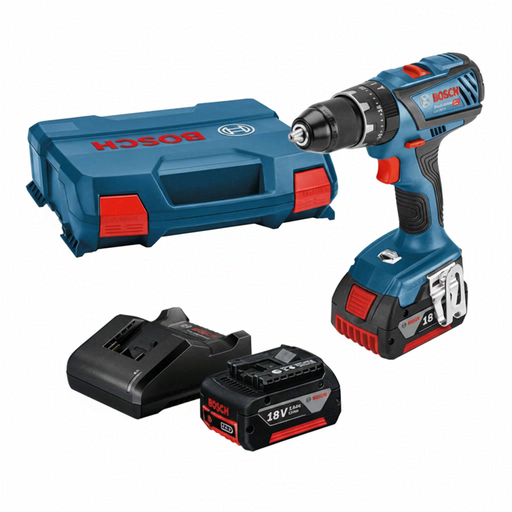
Why it suits this user: This set is a good option for users who want a complete Bosch Professional 18V system, including two batteries, a charger and a carrying case.
The package includes two 3.0 Ah batteries, a GAL-18V-20 charger and an L-Case. There’s no need to buy accessories separately.
63 Nm hard torque, 13mm metal chuck, 0–500/0–1,900 min⁻¹, 28,500 impacts per minute and stated drilling diameters of up to 38 mm in wood and 13 mm in metal and masonry.
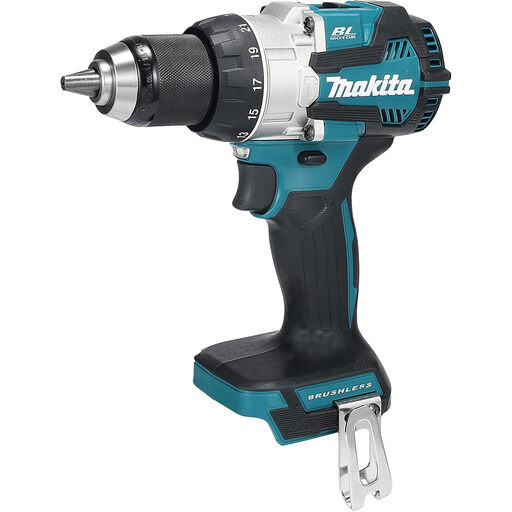
Why it suits this user: This model is a good fit for frequent users with existing Makita 18V LXT batteries who need a more powerful tool for wood, metal and masonry.
The product page specifies 73 Nm, a 13mm chuck and compatibility with the Makita 18V LXT system. The battery and charger are explicitly not included.
Brushless motor, 1,800 rpm, two-speed gearbox, XPT protection against dust and water, and LED work light.
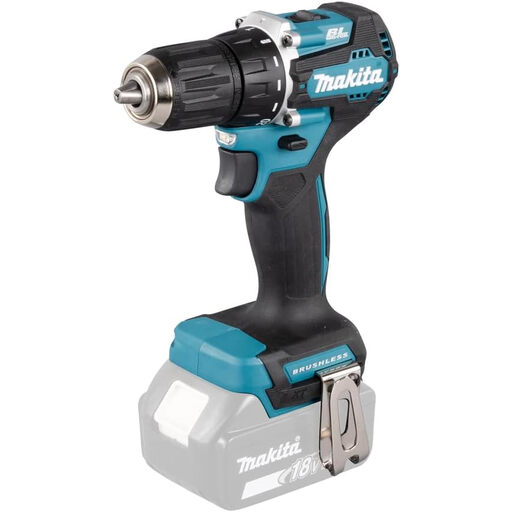
Why it suits this user: This compact tool is suitable for screwdriving, furniture assembly and drilling when you want to use an existing Makita battery platform.
The compact design comes with clearly stated package contents: the model is supplied without a battery or charger, so it’s mainly suited to users who already own tools on the same platform.
40 Nm maximum torque, 0–1,700 rpm, brushless motor, dual LED lights, and electronic overload and deep-discharge protection.
We’ve put together a comprehensive, regularly updated list of products that meet these strict selection criteria and comply with the safety regulations in force in the EU.
The hammer function may be sufficient for occasional drilling into light masonry. Concrete and frequent drilling put greater demands on the tool. Check the manufacturer’s specifications for materials, drilling diameters and the hammer mechanism. A cordless rotary hammer may be better suited to these jobs by design.
Runtime depends on battery capacity in Ah, the material, drilling diameter, torque setting and length of use. A 3.0 Ah battery doesn’t guarantee a particular runtime. For longer jobs, spare batteries are more practical than frequent charging breaks.
It depends on how you’ll use the tool. For regular use, low maintenance, electronic protection features and compatibility with your existing battery platform can all be important considerations. For occasional jobs, a simpler model may be enough, provided its torque, chuck and package contents meet your needs.