
Lieferung heute & morgen

Qualitätsgarantie

Willkommens-Angebote freischalten: KOSTENLOSE Lieferung | Bis zu 80 % RABATT | Kostenlose 30-Tage-JoyPlus-Testphase
App herunterladen
A 1 kg bag of coffee beans can be worthwhile for households, offices and frequent coffee drinkers. At the same time, larger packs carry a risk: if the beans are not stored appropriately after opening, or if the roast profile does not suit your machine, a significant portion of the pack may go unused.
Before buying 1 kg of coffee beans, you should therefore look beyond the brand, price or a prominent intensity rating. What really matters is whether the beans suit your brewing method, as well as the blend, roast level and your realistic rate of consumption.
Scales such as “intensity 8 out of 10” generally describe the flavour impression, roast and perceived strength. They are not a standardised measurement. For example, a darkly roasted coffee may have chocolatey or bitter notes, while a milder roast may taste fruitier or lighter.
The proportion of Robusta also affects the character. An Arabica-Robusta blend can create more body and a pronounced crema. 100% Arabica is often associated with a more nuanced flavour profile, but it is not automatically better suited to every taste or machine.
Coffee beans for bean-to-cup machines should feed reliably into the grinder and have a roast profile suited to automatic extraction. Very oily beans can encourage residue to build up in the grinder, depending on the machine. Check the manufacturer’s care instructions and clean the brewing unit, grinder area and spout regularly.
For coffee beans for portafilter machines, the ability to make precise adjustments is more important. The grind size, dose and brewing time must be adapted to the individual bean. A pack that works effortlessly in a bean-to-cup machine may require several attempts to adjust when used with a portafilter machine.
The packaging protects unopened beans from air, moisture and light. Once opened, however, the aroma gradually fades. A 1 kg bag therefore only makes sense if your household or office will use it within a reasonable period.
At a daily consumption of around 30 to 40 grams, 1 kg will last approximately 25 to 33 days. If you drink considerably less coffee, smaller packs or several well-sealed bags may offer greater flexibility.
Descriptions such as “Caffè Crema”, “Espresso” or “Barista” are useful for orientation, but do not replace information about the brewing method. For a moka pot, you need a suitable grind size; whole beans must be ground before brewing.
Pay attention to the declared composition. Some products state a specific proportion, while others leave the blend unspecified. For example, the Bialetti Coffee Beans Hazelnut 1000 g are listed as containing 80% Robusta and 20% Arabica. This is a clear indication if you prefer fuller body and a pronounced crema. The hazelnut flavour also indicates that this is a flavoured product variant.
With organic coffee beans, check the specific organic certification mark and inspection body number. Jeden Tag Espresso Cremoso lists the certification DE-ÖKO-003. Also check the information on the packaging, as product details and availability may be updated.
Store coffee beans in a cool, dry place away from light. After opening, the bag should be sealed tightly or the contents transferred to a suitable airtight container. Avoid strong odours and moisture. Storing coffee in the fridge is not practical for every household, as condensation can form when the beans are removed. Always follow the storage instructions for the individual product.

Why this product suits the profile: The 1 kg pack is designed for regular everyday use and, according to the product information, is intended for bean-to-cup coffee machines. The organic certification DE-ÖKO-003 provides clear guidance when shopping.
Its stated suitability for bean-to-cup machines reduces the risk of making an unsuitable choice. Information about the ingredients and storage helps you check the product before buying.
Organic-certified roasted whole beans; large pack for regular consumption.
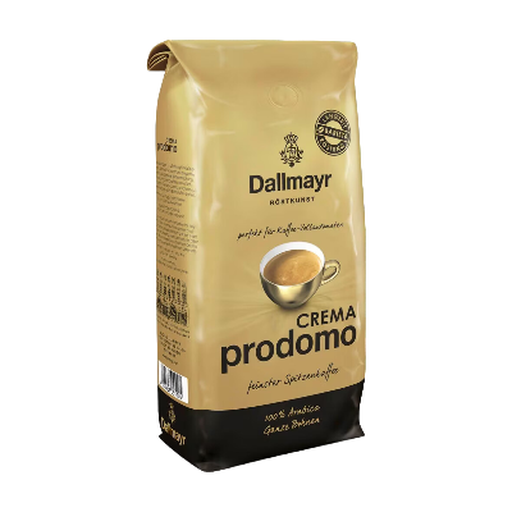
Why this product suits the profile: The beans are listed as 100% Arabica and are intended for bean-to-cup machines. This makes the product suitable for people who prefer a clearly declared bean type.
The stated composition is more useful than general claims about “strength”. This allows you to match your choice more closely to your previous flavour preferences.
100% Arabica according to the product information; country of origin listed as Germany.
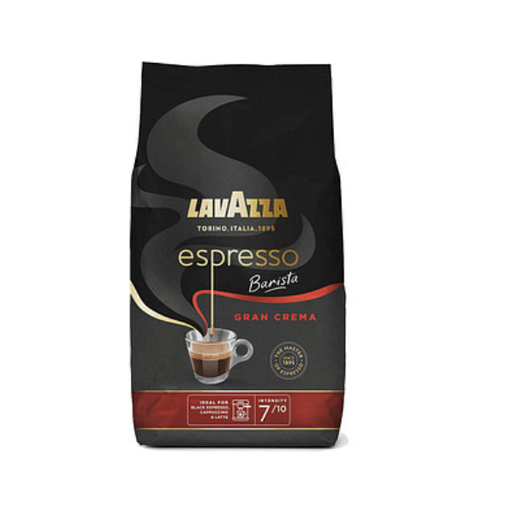
Why this product suits the profile: The product information specifies an Arabica and Robusta blend, as well as suitability for espresso and bean-to-cup machines. For portafilter machines, it also provides specific guidelines for dosing and brewing time.
The guidance of 18–20 grams, approximately 93 °C and 25–30 seconds provides a starting point. It does not replace adjustments to suit your machine, grind size and beans.
Listed for espresso and bean-to-cup machines; Arabica-Robusta blend.
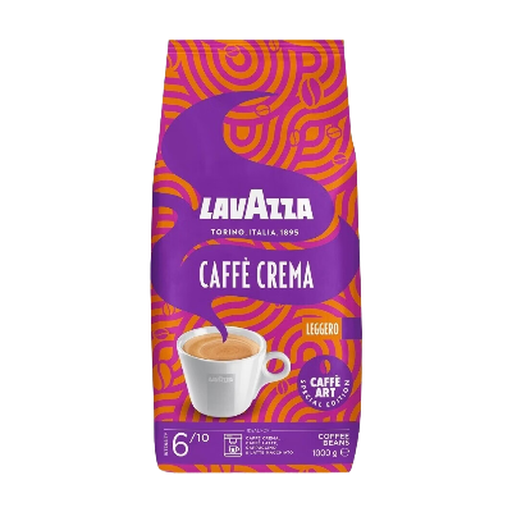
Why this product suits the profile: The product description classifies these Italian coffee beans as lighter and less bitter. This suits Caffè Crema drinkers who prefer a more restrained flavour profile.
The lower intensity described helps you avoid accidentally choosing a darkly roasted espresso blend for your everyday long coffee.
1 kg pack; described as a lighter Caffè Crema profile.
We have put together a complete, regularly updated list of products that fully meet these strict selection criteria and the safety regulations applicable in the EU.
That depends on how much you use. At around 30 grams per day, 1 kg will last approximately one month. In an office or larger household, the pack may be used up considerably faster. For lower consumption, smaller packs are often more practical because the opened beans do not need to be stored for as long.
Choose whole beans explicitly described as compatible with bean-to-cup machines. Medium roasts are often used for Caffè Crema, while espresso beans are frequently roasted more intensely. The manufacturer’s information remains decisive, along with the settings for grind size, water volume and drink strength.
There is no universally reliable answer. Arabica and Robusta differ in aroma, body and typical uses, while the roast and blend ratio also shape the final flavour. Read the specific product description and choose according to your brewing method and preferred flavour profile.