
Lieferung heute & morgen

Qualitätsgarantie

Willkommens-Angebote freischalten: KOSTENLOSE Lieferung | Bis zu 80 % RABATT | Kostenlose 30-Tage-JoyPlus-Testphase
App herunterladen
A pack of 1 kg of coffee beans is practical for many households, offices and regular coffee drinkers. With a typical serving of around 7 to 10 grams per cup, one kilogram makes approximately 100 to 140 cups. Buying a larger supply can simplify your shopping, but it also comes with a risk: if the pack is stored for too long after opening, whole coffee beans lose their aroma.
Not every 1 kg pack will suit every taste or machine, either. Marketing terms such as “intense”, “barista” or “Italian roast” do not automatically describe whether the coffee is suitable for your preferred preparation method. The key factors are clear details about the bean blend, roast level, preparation method and storage.
A high intensity rating usually refers to the coffee’s flavour, roast or body. It does not reliably indicate how much caffeine a cup contains. Arabica and Robusta coffee beans differ, among other things, in their typical aroma profile and caffeine content. If you prefer a strong espresso, do not focus only on a rating such as “7/10”. You should also check the bean composition.
Caffè crema beans for a bean-to-cup machine are not automatically the right choice for a portafilter machine. Espresso beans are often roasted more darkly and may be suitable for short extractions. Filter coffee and French press coffee, on the other hand, require an appropriate grind size. Whole coffee beans offer greater flexibility because they can be ground immediately before preparation.
One kilogram of coffee is economical if several cups are consumed every day. For occasional coffee drinkers, however, a large opened pack may sit around for a long time. Once opened, the beans should be kept tightly sealed in a dry, cool place, protected from light and strong odours. The best-before date on the packaging does not replace guidance on preserving the aroma after opening.
100% Arabica is often associated with mild, aromatic flavours and less intensity. According to the product information, Bialetti Pregiato is made from 100% Arabica and features floral and dried fruit notes. Dallmayr Crema d’Oro Selektion des Jahres is also described as a 100% Arabica coffee with nutty and mildly chocolatey notes.
Blends of Arabica and Robusta can offer a fuller body and a more pronounced crema. Examples include Lavazza Qualità Rossa and Lavazza Espresso Barista Gran Crema. However, the specific recipe and roast profile remain crucial, as not every blend tastes the same.
Mild coffee beans are often roasted lightly or to a medium level, allowing fruitier or more delicate notes to come through. Darker roasts often taste stronger, and may also have more chocolatey or bitter notes. Ratings are not fully comparable between brands. An “intensity 5/10” from one supplier does not necessarily correspond exactly to the same perceived strength from another brand.
For milk-based drinks such as cappuccino or latte macchiato, full-bodied espresso or caffè crema beans are often a good choice. If you drink your coffee black, you should also consider the acidity, fruit notes and the aftertaste you prefer.
For coffee beans for bean-to-cup machines, a consistent bean structure is helpful because the integrated grinder handles the dosage and grind size. For coffee beans for portafilter machines, precise adjustment of the grind size, dosage and tamping pressure is required. A bean that tastes balanced in a bean-to-cup machine will not necessarily produce the same result in a portafilter machine.
You should also check the following:
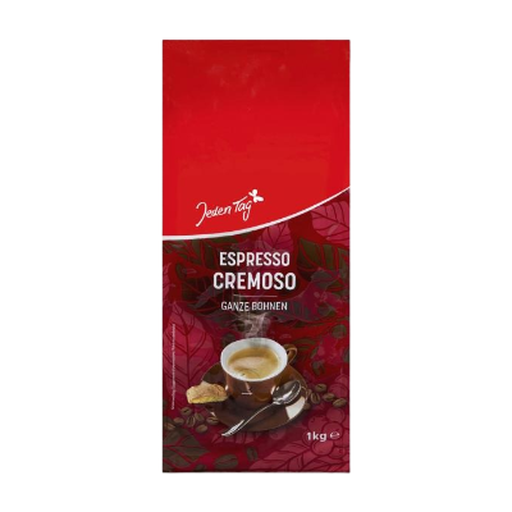
Why this product suits this profile: The 1 kg pack is designed for regular everyday use and, according to the product information, is intended for bean-to-cup machines. The organic certification DE-ÖKO-003 is clearly stated.
The pack size and stated organic certification are easy to identify. This means you can assess the purchase based on quantity and certification, rather than relying solely on marketing claims.
1000 g contents, whole roasted beans and organic certification information; particularly described as suitable for daily use in a bean-to-cup machine.
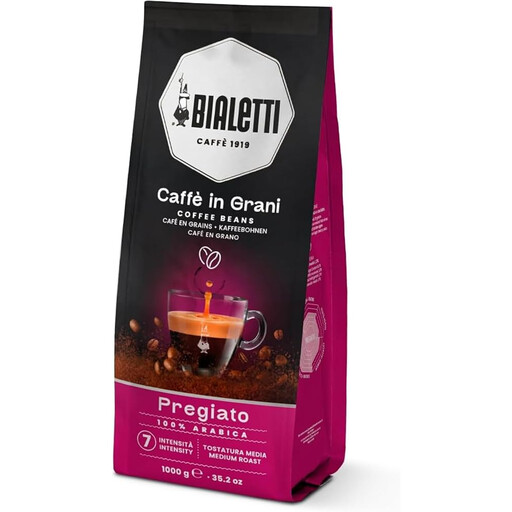
Why this product suits this profile: According to the product information, these beans are made from 100% Arabica and are described as mild and aromatic, with floral and fruity notes. They are intended for espresso, moka pot and bean-to-cup machines.
The bean type and aroma profile are clearly specified. This means buyers do not have to infer the flavour solely from terms such as “mild” or “Italian”.
100% Arabica, 1000 g contents and several specified preparation methods, including an espresso machine and moka pot.
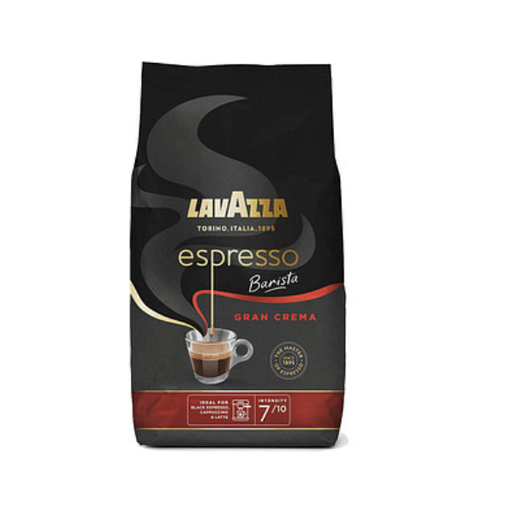
Why this product suits this profile: According to the product information, the Arabica and Robusta blend is intended for espresso, cappuccino and latte macchiato. Specific guidelines for grind size, dosage and brewing time are also provided.
The description specifies the intended use and provides technical preparation guidelines. This helps prevent you from mistakenly choosing a strong espresso roast for any type of filter preparation.
Arabica–Robusta blend, 1 kg contents and specific guidelines for a double espresso with a fine grind.
We have put together a complete, regularly updated list of products that fully meet these strict selection criteria and the safety regulations applicable in the EU.
Once opened, the pack should be sealed as airtight as possible. A dry, dark and odour-neutral storage location is more suitable than somewhere close to spices or heat sources. Only grind the amount you need immediately. Depending on the machine and drink, around 7 to 10 grams per cup is common for bean-to-cup machines; the operating instructions provide the relevant guidance.
With portafilter machines, the dosage is usually adjusted more precisely to the basket size and recipe. Changing the grind size, amount of water or extraction time can have a greater effect on the flavour than switching between two similarly roasted varieties.
At 8 grams per cup, one kilogram makes approximately 125 cups. At two to three cups a day, this equates to around six to eight weeks. In offices or households with several coffee drinkers, the supply may be used up more quickly.
Beans whose product description specifically mentions a bean-to-cup machine are suitable. Caffè crema beans and many espresso beans can be used, but they differ in roast level and flavour profile. Also consider whether you mainly prepare black coffee or milk-based drinks.
Yes, provided you have a suitable grinder. For a portafilter machine, the beans must be ground finely and as evenly as possible. Recommended preparation details can help you choose, but they do not replace individually adjusting the grind size and dosage.