
Lieferung heute & morgen

Qualitätsgarantie

Willkommens-Angebote freischalten: KOSTENLOSE Lieferung | Bis zu 80 % RABATT | Kostenlose 30-Tage-JoyPlus-Testphase
App herunterladen
One tap, but two tasks? Anyone who wants to water their garden efficiently knows the problem: the lawn sprinkler is running, but at the same time, the tomatoes in the greenhouse are getting thirsty. Constantly swapping hoses is tedious and time-consuming. A 2-way garden hose splitter is a simple and affordable solution. It allows you to connect two hoses to a single tap and control both outlets independently.
But there are a few pitfalls to watch out for when buying. Many models look identical at first glance but reveal their weaknesses after just a few weeks of use. To help you avoid buyer's remorse, we'll show you the most common traps and what to look for when making your choice.
Not every garden hose splitter lives up to its promises. Pay close attention to these three typical defects to avoid disappointment:
To find a durable and functional 2-way water splitter, you should carefully examine three technical aspects. These largely determine the product's reliability and ease of use.
The material is the most critical factor for longevity. The most common options are plastic and metal (usually brass).
Regardless of the material, clean craftsmanship of the threads is crucial for a leak-proof connection.
In Europe, outdoor taps typically have a standard G3/4" thread (equivalent to a 26.5 mm diameter). Almost every dual hose connector is designed for this size. Some models also come with an adapter for larger G1" taps (33.3 mm). Check the specifications before buying to ensure the splitter fits your tap without needing additional accessories.
The control mechanism for the two outlets is a key convenience feature. There are two basic types:
Instead of making a blanket recommendation, we have matched products to different needs and garden situations.
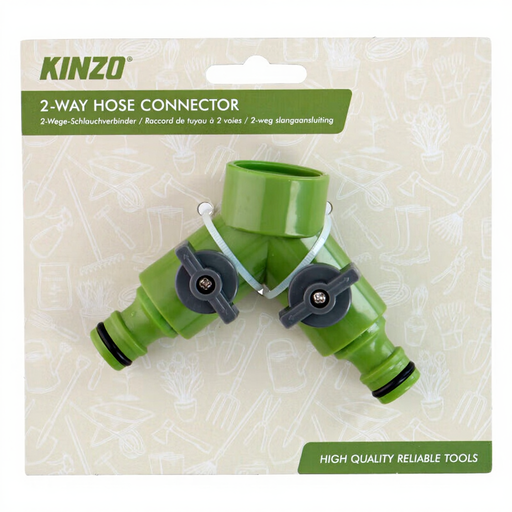
Why it's a good fit: Ideal for hobby gardeners looking for a straightforward and functional solution to run a sprinkler and a garden nozzle simultaneously without constantly swapping connections.
Made from durable ABS plastic designed for regular use and exposure to the elements. The precisely machined threads aim for a secure, low-leak connection.
Provides two separate outlets from one tap with individual controls. Its light weight and compact design make it easy to handle and store.
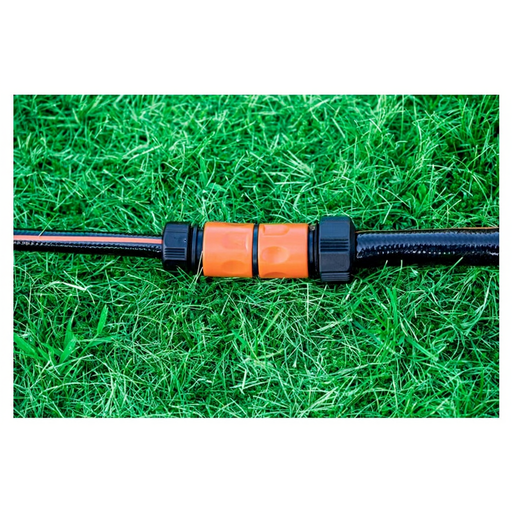
Why it's a good fit: For garden owners who don't need to split the tap, but rather connect two hoses to reach distant areas. This is a coupling for extension, not a splitter.
Addresses the problem of leaky hose-to-hose connections with a reliable sealing system that maintains water pressure even over long distances.
Seamlessly joins two hoses into one long line. Made from impact-resistant, weather-proof polymer for high durability in outdoor use.
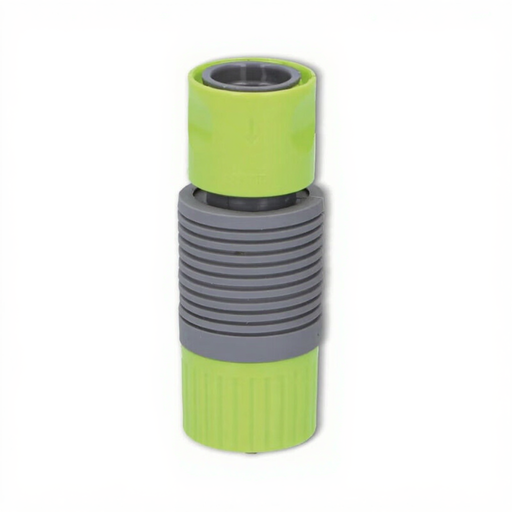
Why it's a good fit: Perfect for users who frequently switch between different attachments (nozzles, sprayers, sprinklers) at the end of a hose and don't want to walk back to the tap each time.
The integrated water-stop function prevents water from escaping and the associated pressure loss when disconnecting devices—a common annoyance with standard couplings.
Automatic water stop for a drip-free tool change. Universal compatibility with common hose sizes (1/2" & 5/8") and accessories.
We have compiled a complete, up-to-date list of products that meet these strict selection criteria and applicable standards.
Most 2-way splitters sold in Europe are designed for the standard G3/4" (26.5 mm) male thread. However, it's still wise to check the product description. Some models include adapters for other sizes, like G1" (33.3 mm), which increases compatibility.
Yes, this is possible with most models and is a key advantage. A good 2-way hose diverter has separate levers or knobs for each outlet. This allows you to regulate the water flow steplessly, for example, running a sprinkler at full pressure while gently watering a delicate plant.
To prevent frost damage, you should unscrew the splitter from the tap before the first frost. Let all the water drain out of the splitter by opening the levers. Then, store it in a dry, frost-free place, like a basement or garage. This is especially important for plastic models, as the material can become brittle in freezing temperatures.