
Lieferung heute & morgen

Qualitätsgarantie

Willkommens-Angebote freischalten: KOSTENLOSE Lieferung | Bis zu 80 % RABATT | Kostenlose 30-Tage-JoyPlus-Testphase
App herunterladen
A 20-inch folding bike combines compact dimensions with a more stable wheel than many smaller folding bikes. For commuting to work, travelling to the station or storing a bike in a small flat, a folding bicycle can be a practical solution. However, eye-catching specifications do not automatically mean that a bike is the right choice.
Three typical purchasing decisions particularly often lead to disappointment later on:
A folding bike with a steel frame may have a higher unladen weight than a comparable model with an aluminium frame due to its construction. Steel is often chosen for city bikes because of its robust construction and characteristic ride damping. The key factor is not the material alone, but the combination of frame, hinges, fork and permitted total load.
The PACTO models presented here have a stated maximum load of 110 kg. This figure must not be exceeded. Also check whether the rider’s weight, luggage and any additional accessories need to be taken into account together.
A low-step frame makes getting on and off easier in city traffic. This is practical when stopping frequently at traffic lights or switching between a bicycle and a train. The saddle and handlebar height must be adjustable to suit your height. A folding bike with a riding position that is too short or cannot be adjusted sufficiently may be uncomfortable despite having the correct wheel size.
A folding bike with a 3-speed hub gear, such as the Shimano Nexus 3, has an enclosed hub gear system. The moving parts are largely protected inside the hub, and according to the product information, it is also possible to change gear while stationary. This suits short city journeys with frequent starts and a relatively flat route.
A folding bike with 6-speed gearing and a Shimano derailleur gear system offers more gear ratios. This can be useful on moderate climbs, bridges or varied routes. However, a derailleur system requires accurate adjustment and regular care. The term Shimano folding bike does not automatically describe the entire bicycle; it refers to the fitted gearing or individual Shimano components.
For flat commuting routes, the number of gears is therefore only one part of the decision. The specific ratios, ease of use, maintenance and whether you want to change gear while riding or when stationary are more important.
The PACTO models have stated folded dimensions of 64 × 78 × 35 cm. Before buying, this volume should be compared with the available space in your vehicle, on public transport or at home. The 15.2 and 15.6 kg unladen weights are also relevant when carrying the bike up stairs or along station platforms.
Pay attention to the following points:
The 20-inch tyres on the models presented have the format 20 × 1.75 inches. According to the product information, the wheels are fitted with double-wall aluminium rims. The bike is intended for paved roads and cycle paths; unpaved or very uneven routes should be avoided.
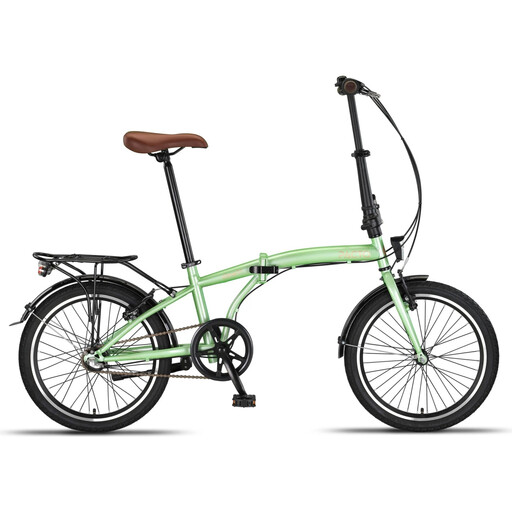
Why this product suits the profile: This model combines a low-step steel frame with a Shimano Nexus 3-speed hub gear, making it suitable for short city trips and straightforward commutes.
The three hub gears are clearly specified, as are the folded dimensions, weight and maximum load. This makes it easier to compare the equipment with your intended use before buying.
Steel frame, 20-inch double-wall aluminium rims, 15.2 kg weight and stated folded dimensions of 64 × 78 × 35 cm.
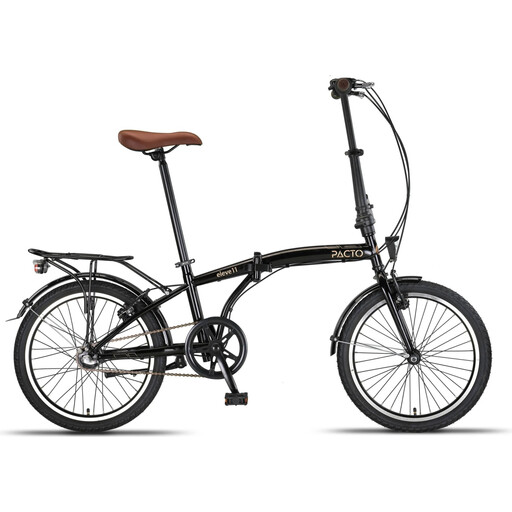
Why this product suits the profile: The enclosed Shimano Nexus 3-speed hub, low-step frame and geometry designed for city bikes appeal to buyers who prefer straightforward maintenance.
The hub gear system prevents the buying decision from being based solely on a high number of gears. The product data also states the load limit, folded dimensions and brake type.
Shimano Nexus 3-speed hub gear, steel frame, front and rear V-brakes, and a maximum load of 110 kg according to the product information.
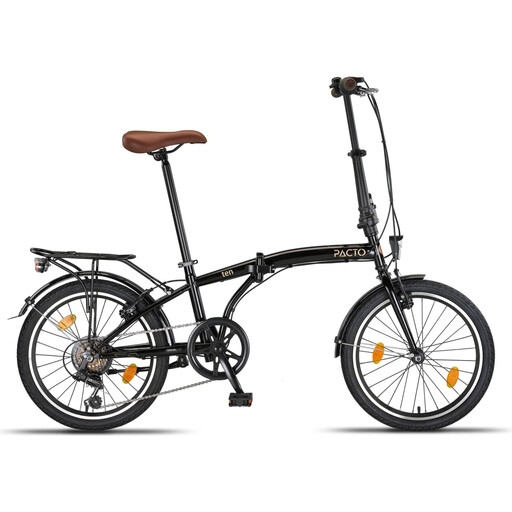
Why this product suits the profile: Regular commuters covering different city routes get six Shimano gears, along with mudguards, a luggage rack and battery-powered front and rear lights.
The equipment is listed specifically rather than being promoted with vague claims about everyday practicality. Before using the bike on public roads, check the lighting equipment and local requirements.
Shimano 6-speed derailleur gear system, 15.6 kg unladen weight, maximum load of 110 kg, plus a luggage rack, mudguards and battery-powered lighting according to the product description.
We have put together a complete, regularly updated list of products that fully meet these strict selection criteria and the safety regulations applicable in the EU.
A folding bike requires particular attention at the folding points. Before every ride, the main frame hinge and handlebar lock must be fully closed. You should also check the tyre pressure, brakes and the position of the quick-release levers. On bikes with V-brakes, the brake pads and cable must be checked regularly.
Steel frames should be kept dry and protected against rust when necessary. Folding joints and the chain require a suitable lubricant applied sparingly. Pressure washers are unsuitable for hubs, bearings and joints. When riding in the dark, working lights and reflectors must be fitted. Check the specific legality of the lighting for use on public roads against the applicable requirements and product documentation.
Yes, provided that the route, folded dimensions and weight suit your commute. The wheel size offers a balance between compact folded dimensions and more stable handling than very small folding-bike wheels. For train journeys, you should also check the conditions of carriage for the relevant transport operator.
It is not possible to give a reliable fixed lifespan based on wheel size alone. It depends on mileage, surfaces, load, care and checks of the hinges, brakes, tyres and gears. Regular maintenance and compliance with the stated load limit can help limit wear.
Running costs mainly include tyres, inner tubes, brake pads, chain care and, where necessary, gear adjustments. With correct maintenance, a hub gear system may expose fewer external gear components; a derailleur system, on the other hand, offers more gear ratios but requires regular cleaning and adjustment.