
Lieferung heute & morgen

Qualitätsgarantie

Willkommens-Angebote freischalten: KOSTENLOSE Lieferung | Bis zu 80 % RABATT | Kostenlose 30-Tage-JoyPlus-Testphase
App herunterladen
A 20-inch folding bike promises urban flexibility: a quick ride to the station, easy transport on buses and trains, and space-saving storage at home. But the market is flooded with models whose weaknesses often only become apparent in daily use. Before you make a decision, it's crucial to understand the most common pitfalls that can lead to frustration and unnecessary expense.
This guide focuses on the objective criteria that define a reliable 20-inch folding bike and helps you distinguish marketing promises from actual functionality.
The 3 Most Common Pitfalls When Buying a Folding Bike:
To avoid these issues, you should focus on a few crucial technical parameters. These largely determine the durability, safety, and everyday usability of your folding bike.
The folding mechanism is the most critical component of a folding bike. Look for solidly manufactured hinges and a locking mechanism that engages precisely and without any play. An additional safety catch that prevents accidental opening is a clear sign of quality.
Equally important are the folded dimensions (Length x Height x Width). Carefully measure the available space in your car boot, apartment, or the niche in your camper van. A few centimetres can make the difference between the bike fitting or not. Compact folded dimensions are essential for a folding bike for commuters who transport it daily on public transport.
The choice of gearing system has a major impact on ride comfort and maintenance requirements.
For predominant use in the city and for commuters, an internal gear hub is often the more practical choice due to its robustness and low maintenance.
The frame material affects weight, ride comfort, and price.
The decision depends on your priority: maximum comfort (steel) or minimum weight (aluminium).
Based on the objective criteria above, we have compiled a selection of models for different user profiles.
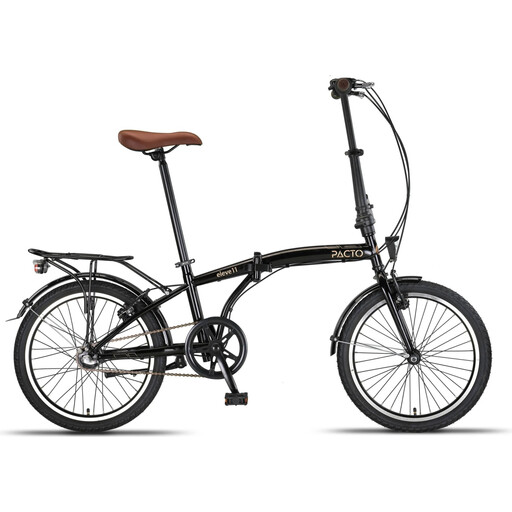
Why this model is a great fit: Ideal for the daily commute. The Shimano Nexus 3-speed internal gear hub is extremely low-maintenance and allows shifting while stationary—perfect for stop-and-go city traffic. The steel frame provides comfortable damping on tarmac.
The hub's enclosed gear system bypasses the "unsuitable gearing" pitfall for city traffic and significantly minimises maintenance.
Reliable, weather-protected internal gear hub. Comfortable ride quality thanks to the steel frame.
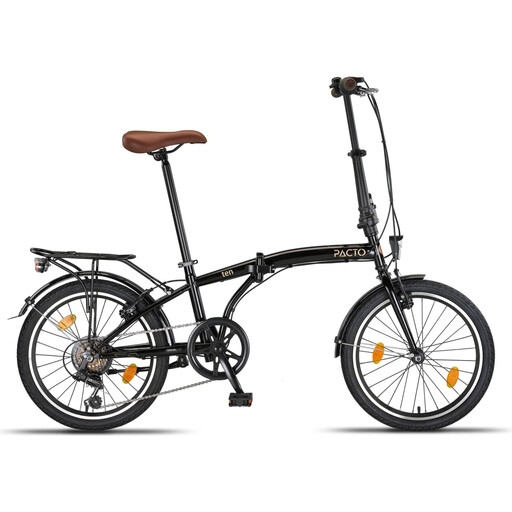
Why this model is a great fit: For cyclists who also plan rides with gentle inclines. The Shimano 6-speed derailleur gear system offers a wider gear range. The bike comes already equipped with mudguards, lights, and a luggage rack.
With its full factory-fitted equipment, it eliminates the "hidden costs" pitfall. The bike is ready for daily use and tours right out of the box.
Wider gear range for more flexibility. All-inclusive equipment.
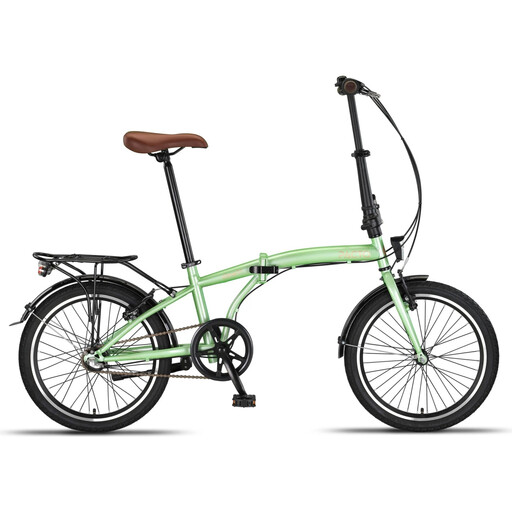
Why this model is a great fit: For those who value aesthetics without compromising on function. The mint paint finish and classic Dutch-style geometry make this bike an eye-catcher, while the technical foundation impresses with its Nexus internal gear hub.
This model proves that an attractive design doesn't have to come at the expense of a robust folding mechanism or a practical, low-maintenance gear system.
A combination of stylish looks and proven, reliable technology for the city.
A folding bike is only truly ready for everyday use with the right accessories. Two aspects are particularly important:
We have compiled a complete, up-to-date list of products that meet these strict selection criteria and comply with current safety regulations.
A folding bike with an internal gear hub is significantly lower-maintenance than one with derailleur gears. Since the mechanism is enclosed, it is protected from weather and dirt. Maintenance is generally limited to occasionally checking the chain tension and lubricating the chain. Professional servicing of the hub itself is only necessary at very long intervals.
Not necessarily. Although 20-inch folding bikes are very compact, the folded dimensions vary considerably depending on the manufacturer and model. The width of the folded package, in particular, can be problematic in small car boots. It is essential to compare the manufacturer's specified folded dimensions with your available storage space before making a purchase decision.
A steel frame is heavier than an aluminium one, which is a factor when carrying the bike. The extra weight is often in the range of 1 to 3 kilograms. In return, steel offers a noticeable comfort advantage, as the material absorbs vibrations better. If you only rarely need to carry the bike over long distances or up stairs and you value a smooth ride, a steel frame can be the better choice.