
Lieferung heute & morgen

Qualitätsgarantie

Willkommens-Angebote freischalten: KOSTENLOSE Lieferung | Bis zu 80 % RABATT | Kostenlose 30-Tage-JoyPlus-Testphase
App herunterladen
A 200 Mesh nylon filter screen can be just as useful for making soya milk or nut milk as it is for protecting sinks, gutters and garden drains. Choosing one may seem straightforward at first glance. In practice, however, unclear mesh specifications, unsuitable dimensions or missing material information can quickly lead to the wrong purchase.
This buying guide explains which features matter before you buy and which format is best suited to different situations.
The specification 200 Mesh describes the number of openings per inch. A higher mesh value generally means a denser weave. However, this does not automatically mean that the screen is suitable for every purpose.
For soya milk and nut milk, a fine-mesh filter screen is useful when you want to retain small pieces of skin and fibre. With a drain filter mesh, however, sufficient water flow is also important. A very dense weave can become clogged more quickly when exposed to coarse debris.
A 20 x 30 cm nylon screen and a 30 x 40 cm nylon screen differ by more than just a few centimetres. The larger version provides more surface area for placing over a container or folding over a larger vessel. For smaller bowls and limited work surfaces, the more compact format may be easier to handle.
Before buying, consider the internal dimensions of the container, the required support area and the space needed to wring out the filter cloth.
Reusable filter mesh is not automatically equally suitable for every application. Food residue should be rinsed out as soon as possible after use. When used to protect drains or gutters from leaves, the material should be cleared regularly of leaves and sludge.
Also check whether the supplier provides specific information about cleaning, temperature resistance and suitability for food contact. If this information is missing, the screen should not be used for hot liquids or food without further consideration.
A 200 Mesh nylon filter screen features a fine-mesh weave that can retain small particles. Nylon is widely used because it is lightweight, flexible and easy to clean. For making plant-based drinks, the most important factors are an even weave and the absence of visible damage.
For food applications, the product description should expressly state that the product is suitable for this purpose. A general reference to nylon alone is not proof of approval for a specific type of food contact.
The two common formats in this selection are:
A soya milk filter cloth should extend sufficiently over the edge of the container. This helps keep the mesh more stable while filling and makes it easier to lift or squeeze out afterwards.
For kitchen use, rinse the screen with clean water immediately after use. With greasy nut milk residue, a mild cleaning product may also be required. A filter screen used for gutters or outdoor areas should not be used for food again without thorough cleaning.
With a sink mesh or drain protection mesh, it is also important to ensure that the mesh is secured properly. Pieces placed loosely may move out of position or obstruct the flow of water.
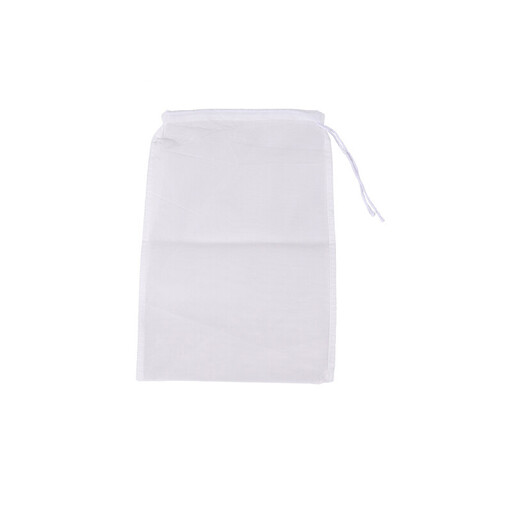
Why this product suits this profile: The compact format is ideal for smaller households and occasional portions of soya or nut milk. Two pieces allow you to alternate between filtering and cleaning.
The dimensions are clearly stated, so you will not need to fold an oversized cloth unnecessarily. The specified 200 Mesh structure is designed for finer filtering.
Two filter pieces, a compact 20 x 30 cm size and a specified mesh count of 200 Mesh.
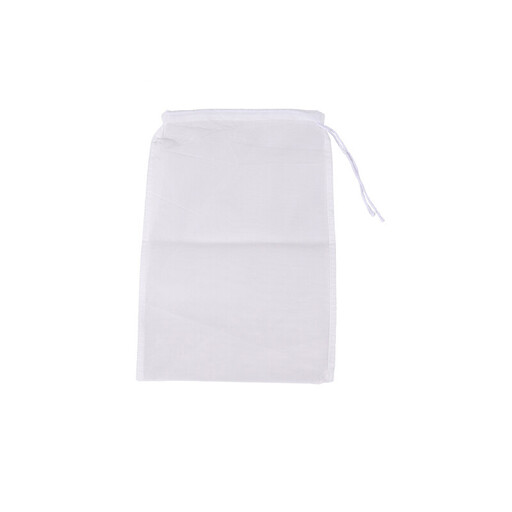
Why this product suits this profile: The larger format provides more support area for bigger bowls and repeated filtering when making plant-based drinks at home.
The larger surface reduces the need to overlap several smaller pieces. Nevertheless, before use you should check whether the supplier states that the mesh is suitable for the intended food contact.
Two pieces, a 30 x 40 cm surface and 200 Mesh for fine-mesh filtering.
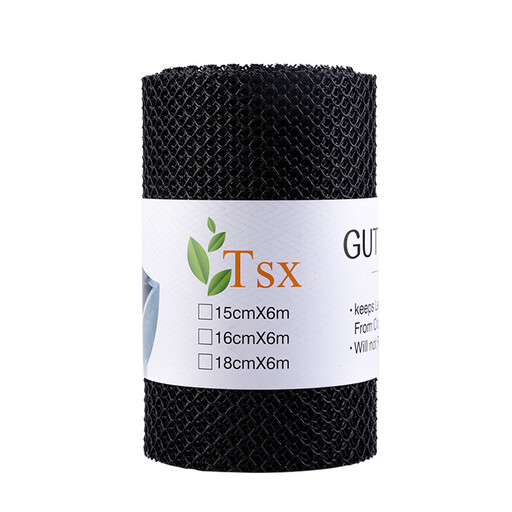
Why this product suits this profile: This mesh is intended for sinks, downpipes, gutters and outdoor areas. According to the product description, it can be cut to the required size and shape.
The option to cut it to size helps avoid unsuitable standard dimensions. Secure the mesh so that it cannot slip into the drain or unnecessarily restrict the flow of water.
Cut-to-size filter mesh, reusable design and intended use as leaf protection for drains and gutters.
We have put together a complete, regularly updated list of products that fully meet these strict selection criteria and the safety regulations applicable in the EU.
To ensure that your filter screen works as reliably as possible, keep the following points in mind:
A drain filter mesh is an addition to an existing drainage system, but it does not replace professional cleaning or repairs. If water is draining slowly, first check whether the mesh is dirty.
The mesh count is generally designed for finer filtering. However, the relevant product information must confirm whether a particular product is suitable for food contact. For nut milk, you should also look for the right size and straightforward cleaning.
Without information from the manufacturer, it is not possible to give a reliable fixed service life. Durability depends on factors including frequency of use, cleaning, wringing and storage. Visible tears, frayed edges or permanently blocked mesh are all reasons to replace it.
This depends on the relevant product description and the available fastening options. A sink mesh or eaves mesh designed for this purpose can be cut to size. Before use, make sure that the mesh is securely fitted, allows water to pass through and can be cleaned regularly of leaves and dirt.