
Lieferung heute & morgen

Qualitätsgarantie

Willkommens-Angebote freischalten: KOSTENLOSE Lieferung | Bis zu 80 % RABATT | Kostenlose 30-Tage-JoyPlus-Testphase
App herunterladen
The search for a new 4K TV can quickly become overwhelming. Manufacturers advertise with a flood of technical jargon and supposed innovations. But not every feature that sounds promising delivers real value in practice. As your Joybuy Product Recommendation Officer, I'll help you identify the crucial features and avoid common marketing traps, so you can make an informed decision.
Before we dive into the important technical details, let's look at three common pitfalls that often lead to disappointment after the purchase.
To avoid buyer's remorse, focus on a few, but decisive, technical features. These are the primary determinants of your device's picture and sound quality, as well as its future-proofing.
The foundation of a great picture is the panel. Two technologies have become established here:
For gamers and home cinema enthusiasts, connectivity options are critical. The HDMI 2.1 standard is key here. It supports higher data rates and enables features necessary for a modern entertainment experience:
The slim design of modern TVs leaves little room for powerful speakers. While external soundbars are often the better solution, some models offer support for TVs with Dolby Atmos. This audio format can create virtual 3D sound, placing the viewer right in the middle of the action and significantly enhancing immersion.
Instead of presenting an overwhelming list, we've selected models that meet specific needs and avoid the pitfalls mentioned.
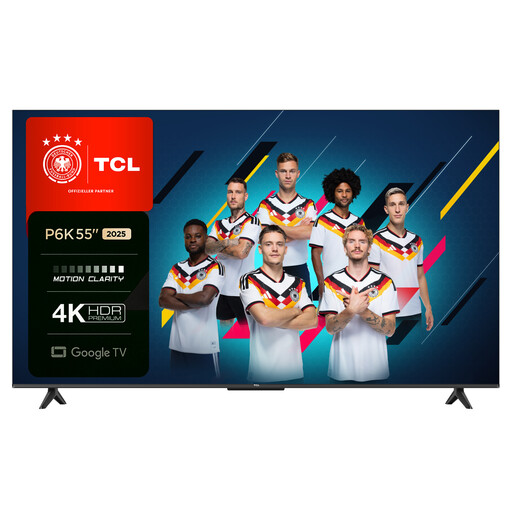
Why This Fits Their Persona: This model offers a well-rounded package for daily TV viewing and streaming. With a 55-inch screen, 4K resolution, and the fast Google TV operating system, it covers all the basic requirements for a modern living room without breaking the bank.
The device relies on the proven Google TV, ensuring long-term app support and smooth operation. It also supports HDR10+, a dynamic HDR format that optimises picture quality scene by scene.
Comprehensive HDR support (HDR10, HLG, HDR10+). HDMI 2.1 with ALLM for casual gamers. Excellent value for money for a Smart TV purchase.
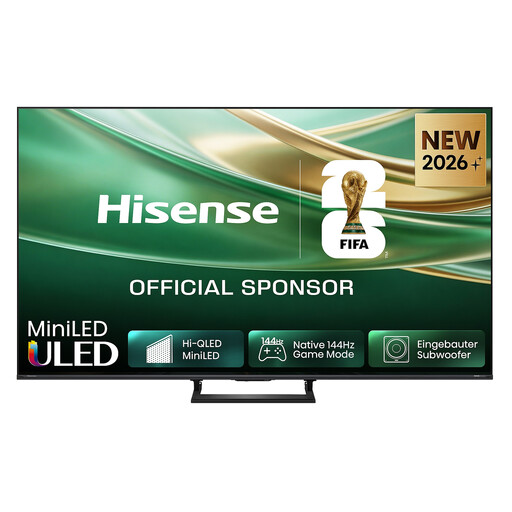
Why This Fits Their Persona: This Hisense TV is tailored to the needs of gamers. It combines a high native refresh rate with all the relevant gaming features to fully unleash the potential of modern consoles.
Instead of relying on marketing terms, this model features a verifiable native 144 Hz refresh rate. Combined with VRR and ALLM, it bypasses the trap of misleading motion smoothing and ensures a responsive, fluid display.
Combination of Mini-LED and QLED for high contrast and vibrant colours. Low response time of 6 ms and full support for HDMI 2.1 features.
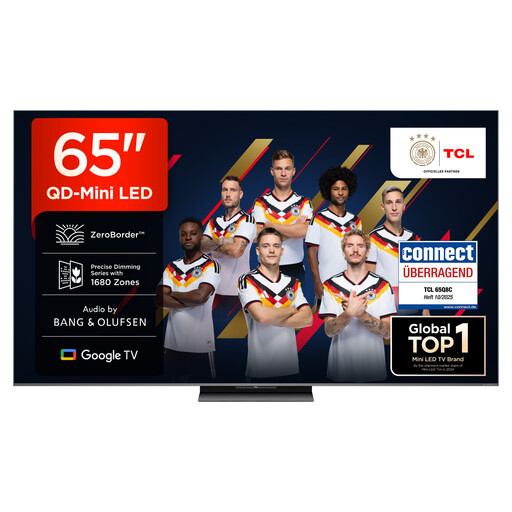
Why This Fits Their Persona: For anyone seeking an immersive cinema experience in their own living room. This 65-inch TV combines advanced picture technology with a high-quality sound system for a complete audiovisual experience. A potential candidate for a positive TCL TV review for home use.
The QD-Mini LED technology provides high peak brightness and precise contrast, ensuring the HDR effect is not just a promise but a visible reality. The Bang & Olufsen audio system with Dolby Atmos avoids the pitfall of weak TV sound.
Superb picture quality thanks to QD-Mini LED. Immersive sound from the integrated premium audio system. High refresh rate (144Hz Motion Clarity Pro) for smooth motion.
We have compiled a complete, up-to-date list of products that fully meet these strict selection criteria and all relevant safety regulations.
1. How long does a modern 4K TV last? The lifespan of an LED TV is often determined by the durability of the backlight, which is typically rated for 30,000 to 60,000 operating hours. With an average use of five hours per day, this corresponds to a theoretical lifespan of over 15 years. In practice, however, a TV is more often replaced due to outdated technology (e.g., unsupported apps) than a hardware defect.
2. What is the optimal viewing distance for a 65-inch 4K TV? With 4K resolution, you can sit closer to the screen than with older Full HD devices without seeing individual pixels. A common recommendation for a 65-inch TV is a viewing distance between 2.0 and 2.5 metres (approx. 6.5 to 8.2 feet). Within this range, the image comfortably fills your field of view, creating an immersive viewing experience.
3. Is a 120Hz TV worth it even if I don't own a console? Yes, a 120Hz TV can offer benefits even without a game console. Particularly with fast camera pans in action movies or during sports broadcasts, the higher native refresh rate can lead to visibly smoother and sharper motion. Whether the extra cost is worth it depends on your personal viewing habits. For regular TV programming and most series, a 60 Hz panel is usually sufficient.