
Lieferung heute & morgen

Qualitätsgarantie

Willkommens-Angebote freischalten: KOSTENLOSE Lieferung | Bis zu 80 % RABATT | Kostenlose 30-Tage-JoyPlus-Testphase
App herunterladen
A great game night with friends or family is a welcome break from the daily grind. But the selection of board games is vast and overwhelming. Who hasn't been there? You invest in a promising game, only to realise after the first round that it doesn't suit the group, the rules are too complicated, or the fun quickly fades. To help you make the right choice, we'll highlight the most common pitfalls and show you which criteria really matter.
Before you decide on a game, it's helpful to know the typical reasons for a bad purchase. Often, it's not the games themselves that disappoint, but a mismatch between expectation and reality.
To find the right game, don't be swayed by marketing promises. Instead, check three objective parameters. These will help you find a game that perfectly matches your occasion and your group.
The most important factor is the makeup of your gaming group. The requirements for a game differ fundamentally depending on whether you're playing with family, strategy enthusiasts, or at a party.
The mechanics determine how a game feels and how often you'll want to play it again. A variable setup, like in Catan, where the landscape tiles are rearranged in every game, ensures high replay value. In contrast, story-based games like the EXIT series are designed as a one-time experience. Look out for the following mechanics:
The tactile feel and durability of the game materials contribute significantly to the overall experience. Solid wooden pieces feel more premium than thin plastic markers. Thick, linen-finished cards are easier to shuffle and wear out less quickly. Check whether the quality matches the price and intended use. A game for an occasional evening doesn't need the same robustness as a family game that hits the table weekly.
Here are some recommendations tailored to different needs and occasions that avoid the pitfalls mentioned above.
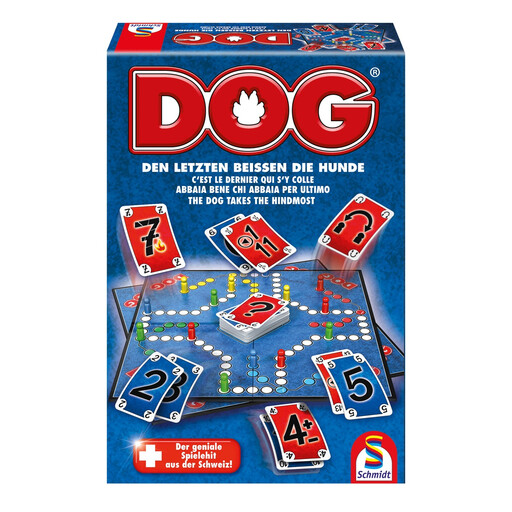
Why It's a Great Fit: DOG is a tactical twist on the classic "Ludo" and is perfect for groups where multiple generations are playing together. The rules are learned quickly, but the cards add a strategic layer that keeps it interesting for adults too.
It avoids the complexity trap by offering an easy entry point but enough depth for repeat plays. Its high replay value prevents it from gathering dust on the shelf after one game.
Replaces dice with cards, allowing for more tactical decisions. Suitable for up to 6 players, making it flexible for different group sizes.
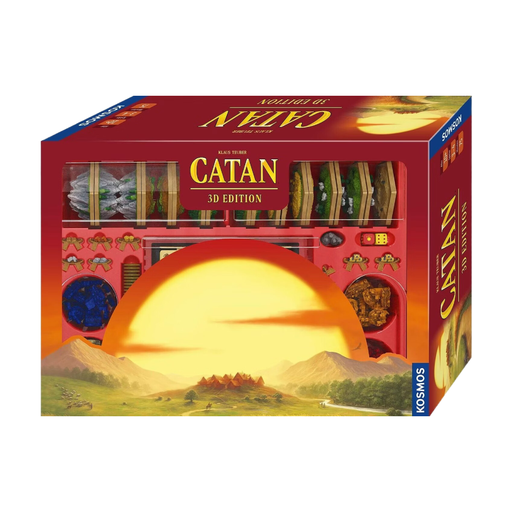
Why It's a Great Fit: This edition is for fans of the classic who value exceptional presentation and a premium tactile feel. It's a statement piece for any collector and an investment in an immersive gaming experience.
It avoids the component quality trap with its extremely high-quality production. The hand-painted 3D tiles and detailed miniatures justify the price and guarantee exceptional durability and visual appeal.
A fully three-dimensional, sculpted game board for a unique, immersive experience. Combines the proven, deep gameplay of Catan with outstanding aesthetics.

Why It's a Great Fit: Ideal for small groups (1-4 players) looking for a shared challenge and the feel of an escape room at home. It promotes teamwork, logical thinking, and creativity under time pressure.
It is intentionally designed as a one-time experience. Knowing this, you avoid the trap of buying a game with low replay value when you're actually looking for something else. It's a perfect event game for a special night.
Brings the authentic escape room experience home. The "Advanced" difficulty level offers a demanding challenge for seasoned puzzle fans.
We have compiled a complete, up-to-date list of products that fully meet these strict selection criteria and UK/EU safety regulations.
1. What's the difference between board games and tabletop games? The term tabletop game is an umbrella term that includes all games played on a surface, typically a table. This includes board games, but also card games, dice games, and party games without a board. A board game is therefore a specific type of tabletop game where a game board is central to the gameplay.
2. How do I find a good board game for just two players? Many games are designed for 2-4 players but don't always work optimally with two. Look specifically for games designed explicitly for two players. These often offer greater strategic depth and better balance in a head-to-head matchup. An example of such a game is "Targi," a strategic worker-placement game developed exclusively for two players that requires a high level of interaction.
3. How should I store board games properly to make them last? To ensure the longevity of your games, store them in a cool, dry place away from direct sunlight. Moisture can cause the boxes and game boards to warp, while sunlight can fade the colours. It's best to store the boxes horizontally (flat) to prevent the components inside from getting jumbled and damaged. For games with many small parts, using small bags or organizer trays can help keep everything in order.