
Lieferung heute & morgen

Qualitätsgarantie

Willkommens-Angebote freischalten: KOSTENLOSE Lieferung | Bis zu 80 % RABATT | Kostenlose 30-Tage-JoyPlus-Testphase
App herunterladen
The search for the right coffee machine can quickly become overwhelming. Manufacturers advertise a multitude of features, high pump pressure, and professional-quality coffee at home. But not every promise holds up to closer inspection. Many devices turn out to be a poor investment because they are impractical for daily use, difficult to clean, or simply inadequate in their core function—brewing coffee.
This guide will show you which marketing traps to avoid and what technical features truly matter. This way, you can find a machine that fits your needs and brings you long-term enjoyment.
Before we dive into the crucial buying criteria, let's look at the three most common pitfalls that lead to disappointment.
To make the right decision, you should focus on the technical features that directly impact coffee quality, user convenience, and durability.
For a full-bodied aroma, freshly ground coffee is essential. The grinder is therefore one of the most important components.
The type of milk frother significantly determines daily convenience and the variety of drinks you can prepare.
The fundamental decision depends on your personal preferences and habits.
Here are some recommendations tailored to different needs, which specifically avoid the pitfalls mentioned.
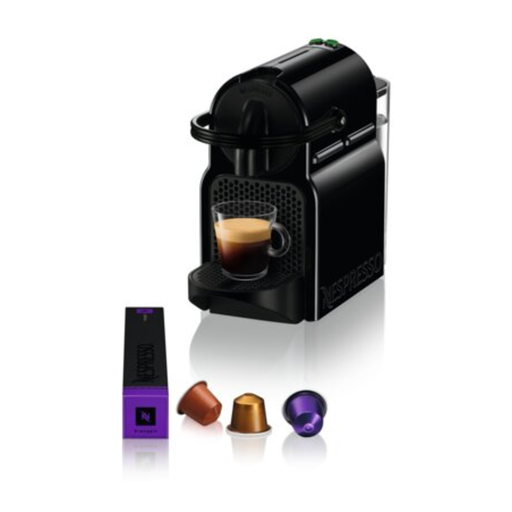
Why this model is a great fit: Ideal for users who want a good espresso or lungo quickly and easily. The compact design fits into any kitchen, and operation is self-explanatory. Perfect for a quick coffee in the morning or as a secondary machine.
This machine avoids the pitfall of high cleaning effort. There is no complex brewing unit or milk system to clean. Maintenance is limited to emptying the capsule container and regular descaling.
Very short 25-second heat-up time and an extremely space-saving, lightweight body. The 19-bar pump pressure ensures consistent extraction.
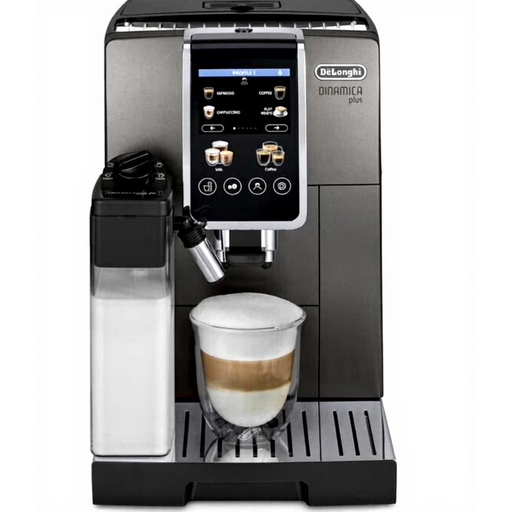
Why this model is a great fit: Perfect for households where a variety of coffee specialities are desired. With 24 recipes, user profiles, and a large touch display, the machine offers maximum convenience and personalisation for the whole family.
The LatteCrema milk system debunks the "all-in-one" illusion. It consistently delivers fine-pored milk foam and automatically cleans itself after each use via a rotary dial. This makes preparing milk-based drinks hygienic and straightforward.
Large 3.5-inch TFT colour display for intuitive operation, a 13-step conical burr grinder, and the ability to save up to 4 user profiles.
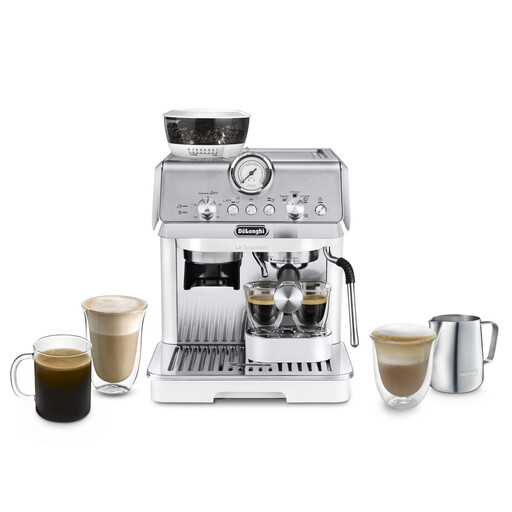
Why this model is a great fit: For coffee lovers who want to take the brewing process into their own hands. This machine provides the tools and control to perfect the grind, dose, and extraction, and to create milk foam for latte art.
This model doesn't promise one-touch magic but delivers the equipment for authentic results. The pressure gauge provides direct feedback on the brewing pressure, and the manual steam wand allows for full control—exactly what a home barista is looking for.
Integrated grinder with 8 settings, 3 temperature settings, and a complete barista kit (tamper, dosing funnel, milk jug) included.
We have compiled a complete, up-to-date list of products that fully meet these strict selection criteria.
The frequency of descaling depends on the water hardness in your area and how often you use the machine. Most modern coffee machines, especially bean-to-cup models, have a built-in indicator that reminds you when descaling is necessary. As a general rule, an interval of two to three months is recommended. Always use the descaler recommended by the manufacturer or one suitable for the machine type to avoid damaging the internal components.
While many manufacturers advertise 15 or even 19 bars of pump pressure, a pressure of around 9 bars at the brew head is ideal for the actual extraction of an espresso. The pump's higher rated pressure ensures that this target pressure can be consistently achieved even with finely ground and firmly tamped coffee. Therefore, high pump pressure is an indicator of a powerful pump, but not the sole quality feature for a good espresso.
Yes, many bean-to-cup machines, such as the De'Longhi Magnifica S, have a separate compartment for pre-ground coffee powder. This feature is useful if, for example, you want to prepare a cup of decaffeinated coffee without having to change the beans in the main container. However, for the best aroma, using freshly ground whole beans is always recommended.