
Lieferung heute & morgen

Qualitätsgarantie

Willkommens-Angebote freischalten: KOSTENLOSE Lieferung | Bis zu 80 % RABATT | Kostenlose 30-Tage-JoyPlus-Testphase
App herunterladen
An espresso machine should work reliably day to day, take up little space and make drinks just the way you like them. In practice, unclear product specifications and underestimated maintenance requirements often lead to disappointing purchases. Three common pitfalls are particularly worth watching out for: assuming a higher pump-pressure figure means better espresso, buying an automatic milk system without considering how it needs to be cleaned, and finding that a compact machine doesn’t fit your preferred cup size or worktop clearance.
This guide explains which technical specifications matter before you buy, and when a bean-to-cup coffee machine, a portafilter espresso machine, a capsule espresso machine or an espresso machine with a grinder is the right choice.
Many models are advertised as having 15 or 20 bar. This figure usually describes the pump’s maximum possible pressure, not necessarily the pressure applied to the coffee puck during extraction. Other factors also matter when choosing a machine: even water distribution, temperature stability, the right grind size and accurate dosing.
An espresso machine with 20 bar may appeal to beginners, but you shouldn’t choose one based on that figure alone. With a portafilter espresso machine, the group head, portafilter size and adjustment options are also important.
A bean-to-cup coffee machine with a milk system can make cappuccino or latte macchiato at the touch of a button. However, milk tubes, containers and spouts still need regular cleaning. Before you buy, check whether the milk container and drip tray can be removed, whether automatic rinse programmes are available, and which parts the instruction manual says are dishwasher-safe.
With an espresso machine with a milk frother, a traditional steam wand is often easy to care for, but takes a little practice. You’ll need to rinse it and wipe the outside after each use.
The water tank, bean hopper and coffee grounds container need to remain accessible. Machines with front or side access are easier to position than models whose containers have to be lifted out from the top. Also measure the clearance for your cups: latte macchiato glasses often need more room than small espresso cups.
An espresso machine with a grinder grinds beans just before brewing. Check how many grind settings it has and whether you can adjust the coffee strength separately. More settings allow finer adjustments, but don’t automatically guarantee a better result.
A bean-to-cup coffee machine is convenient if you want to make espresso, coffee and milk-based drinks with as few steps as possible. A portafilter espresso machine gives you more control over dosing, grind size, tamping and milk texture. However, you’ll usually need a separate grinder unless the machine has one built in.
There are three common options:
A one-touch function means fewer steps, but it doesn’t replace the daily cleaning of components that come into contact with milk.
A tank of around 1.5 to 2 litres is enough for many households. If several people will be using the machine, or you often make milk-based drinks, a larger capacity can mean less frequent refilling. Also look for:
For machines with high power consumption, follow the instructions on mains voltage, safety and intended use in the manual. Hot surfaces, steam and pressurised water can cause scalds.
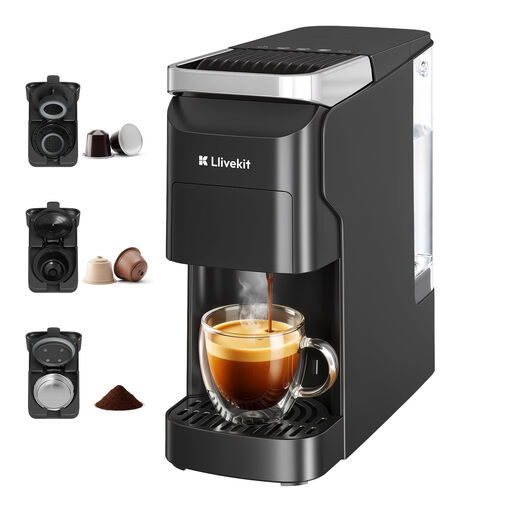
Why this product suits this profile: This compact machine works with Nespresso Original and Dolce Gusto capsules, ground coffee and hot water. Three programmable volumes and a heat-up time of around 40 seconds, according to the product information, make it easy to get started.
Its 3-in-1 design means you’re not tied to a single capsule system. The 920-ml tank and automatic shut-off are a practical fit for smaller households.
Capsules, ground coffee and a hot water function; one-button self-cleaning, according to the product description.

Why this product suits this profile: The combination of a conical burr grinder, touchscreen, five recipes and saved settings is designed for home baristas who like to tailor their drinks.
The product information lists specific settings for coffee strength, milk temperature and milk texture, rather than focusing only on high pump pressure.
Integrated grinder, automatic milk frothing, touchscreen and up to eight personal settings that can be saved, according to the product information.
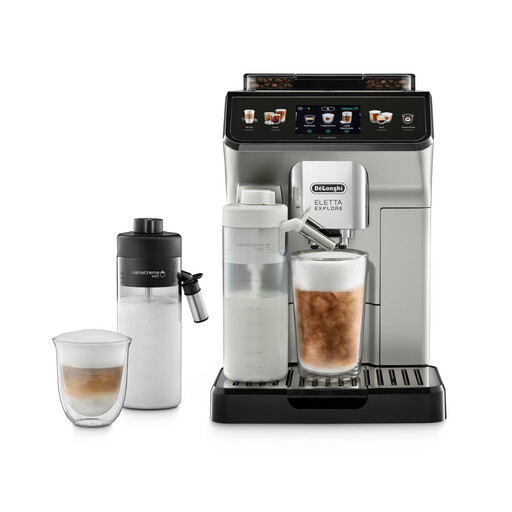
Why this product suits this profile: This machine is designed for households with a wide range of drink preferences. According to the product description, it offers hot and cold drinks, two milk systems and a to-go function.
The choice isn’t based on the number of drinks alone: automatic cleaning, rinsing and descaling programmes are listed, along with dishwasher-safe parts.
40 pre-installed recipes according to the product information, a 1.8-litre water tank, a 300-g bean hopper and the LatteCrema Hot & Cool System.
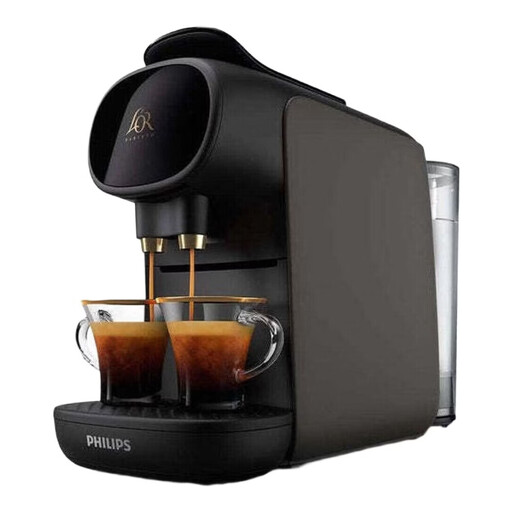
Why this product suits this profile: This capsule espresso machine works with L'Or Barista and other compatible capsule systems. It has one-touch controls for single or double servings.
You can check capsule compatibility before buying, so you won’t end up with capsules you can’t use.
1-litre water tank, quick heat-up according to the product description, and one-touch single and double servings.
We’ve put together a complete, regularly updated list of products that meet these strict selection criteria and fully comply with the safety regulations in force in the EU.
For beginners, an automatic coffee machine or a compact capsule model is usually straightforward to use. If you’d like to adjust the grind size and milk texture later on, you could choose a portafilter espresso machine or an espresso machine with a grinder. Look for clear controls and a cleaning programme that suits your day-to-day routine.
The drip tray and coffee grounds container should be emptied regularly. Milk systems need to be rinsed after every use, following the manufacturer’s instructions. How often you need to descale and deep-clean the machine depends on your water hardness, how often you use it and the machine’s indicators. Always follow the instruction manual.
As well as the purchase price, you’ll need to budget for coffee or capsules, electricity, water filters, descaler and, where applicable, cleaning tablets. With capsule machines, the ongoing cost per drink often depends more on the price of the capsules. For bean machines, the cost of the beans, grinder maintenance and water filters all affect your ongoing spend.