
Lieferung heute & morgen

Qualitätsgarantie

Willkommens-Angebote freischalten: KOSTENLOSE Lieferung | Bis zu 80 % RABATT | Kostenlose 30-Tage-JoyPlus-Testphase
App herunterladen
Choosing an eye cream can quickly feel overwhelming. Countless products promise to smooth wrinkles, diminish dark circles, and reduce puffiness. But not every formula delivers on its promises. Many purchasing decisions lead to disappointment because the product doesn't suit one's skin condition or is based on exaggerated marketing claims.
As your Joybuy Product Recommendation Officer, I'm here to help you navigate the common pitfalls and make an informed decision. Instead of falling for advertising hype, we'll focus on what really matters: ingredients, formulation, and how they align with your individual needs.
The 3 Most Common Mistakes When Buying an Eye Cream:
To find the right eye care product, you should focus on objective criteria. These three points will help you separate the wheat from the chaff.
An effective eye cream isn't defined by a single 'star ingredient,' but by a thoughtful combination of ingredients that work together. Look for formulations tailored to your specific concern:
The base of a cream is just as important as its active ingredients. The texture determines how well the product absorbs and whether it's suitable for your skin type.
The skin around the eyes is up to ten times thinner than on the rest of the face and has fewer sebaceous glands. It is therefore particularly prone to irritation. A good eye cream for sensitive skin should be free of potentially irritating substances.
Look for products that are fragrance-free and alcohol-free (without denatured alcohol). A label indicating it is 'ophthalmologically tested' is an additional sign that the formula has been checked for its compatibility with the eye area.
Based on the criteria above, we have identified several products that represent a considered choice for different user profiles.
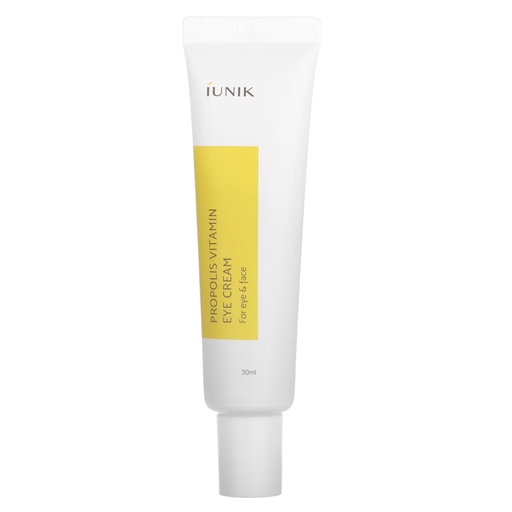
Why This Fits Their Persona: This cream is ideal for those starting their eye care routine. It focuses on the fundamentals: intense hydration and nourishment from propolis and sea buckthorn extract. Its versatility as a treatment for both the eyes and face makes it a practical all-rounder.
It sidesteps the 'all-in-one' fallacy by focusing on its core strength: deeply nourishing and hydrating the skin, rather than promising unrealistic anti-aging miracles.
Lightweight, fast-absorbing formula that is also suitable for the face. The formulation is rich in nourishing extracts to revitalise tired skin.
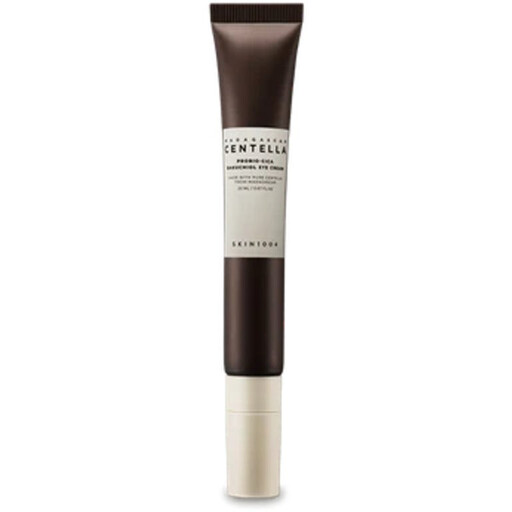
Why This Fits Their Persona: This Korean eye cream is designed for users who want to specifically address the first signs of aging, such as fine lines and a loss of firmness. The main active ingredient, Bakuchiol, is a recognized, plant-based alternative to retinol.
Instead of relying on a vague mix of ingredients, the formula focuses on the targeted use of Bakuchiol. This avoids the 'miracle ingredient' fallacy, as the benefit of this ingredient is clearly defined.
Contains Bakuchiol to visibly reduce fine lines. The light, non-sticky texture absorbs quickly and is complemented by a soothing probiotic Cica complex.
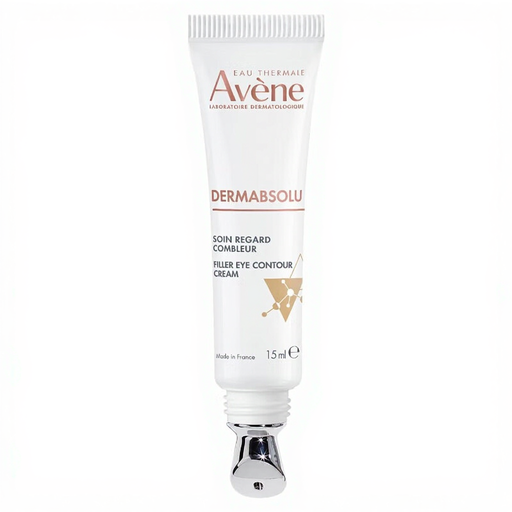
Why This Fits Their Persona: This dermo-cosmetic cream is aimed at users with mature or demanding skin who are looking for a comprehensive solution for loss of skin density, puffiness, and dark circles. The cooling metal applicator also provides a revitalizing massage effect.
The formula is based on a combination of specific active ingredients like Vanilla Polyphenols and Syténol (Bakuchiol). The focus is on a well-designed, multifunctional yet specialized solution, rather than making vague promises.
Features a cooling metal applicator to reduce puffiness. The formulation with Syténol and Avène Thermal Spring Water is tailored to the needs of sensitive, mature skin.
The right eye cream can make a visible difference. If you want to discover more products designed for hydration and firming, you'll find a curated selection here.
At what age should you start using an eye cream? There's no one-size-fits-all answer, but a good rule of thumb is your mid-20s. Around this age, the body's natural collagen production begins to slow down. You can preventatively combat dryness lines with a light, hydrating eye cream. For specific concerns like genetic dark circles, starting earlier can also be beneficial.
Can I use my regular face cream for the eye area? It's generally not recommended. The skin around the eyes is significantly thinner and more sensitive. Eye creams are specially formulated for this area: they are often fragrance-free, have a lighter texture that won't 'creep' into the eyes, and are ideally ophthalmologically tested to prevent irritation. Face creams can be too rich or contain ingredients that may irritate the delicate eye area.
How do you apply eye cream correctly? Less is more. A rice-grain-sized amount per eye is sufficient. Apply the cream with your ring finger, as it exerts the least pressure. Gently pat the product along the orbital bone—from the inside out under the eye and just below the eyebrow. Avoid pulling or rubbing the skin.