
Lieferung heute & morgen

Qualitätsgarantie

Willkommens-Angebote freischalten: KOSTENLOSE Lieferung | Bis zu 80 % RABATT | Kostenlose 30-Tage-JoyPlus-Testphase
App herunterladen
Deadlines loom, appointments overlap, and important tasks are forgotten—a packed schedule can quickly become a source of stress. A well-structured planner is more than just a notebook; it's a tool that brings clarity, helping you systematically manage professional projects and personal goals.
This guide is here to help. We'll introduce different types of planners and explain their specific features, providing you with a solid foundation to choose the right organizational tool for your needs.
The right planner depends on your individual work and lifestyle habits. Three key criteria can help you narrow down the options.
A classic 2025 annual planner is tied to a specific calendar year, offering a clear structure for planning from January to December. It's perfect for those who prefer continuous, linear organization and want to set their annual goals from the start.
An undated planner, on the other hand, offers maximum flexibility. You can start planning at any time of the year, take breaks, and date the pages as needed. This is ideal for project-based work, irregular schedules, or if you're starting to get organized mid-year.
The size and shape of the planner determine how you can use it.
The planner's internal layout is crucial for its functionality. A good weekly planner displays all appointments for the week at a glance, often supplemented with separate sections for to-do lists or notes. Some models function as a comprehensive time management journal, including sections for goal setting, habit tracking, or budget planning alongside calendar pages. Consider which structure best supports your way of thinking and whether you need a detailed daily breakdown or a broad weekly overview. A well-designed office organizer should effectively combine both aspects.
Based on different organizational styles, we've curated a selection of planners that cater to various requirements.
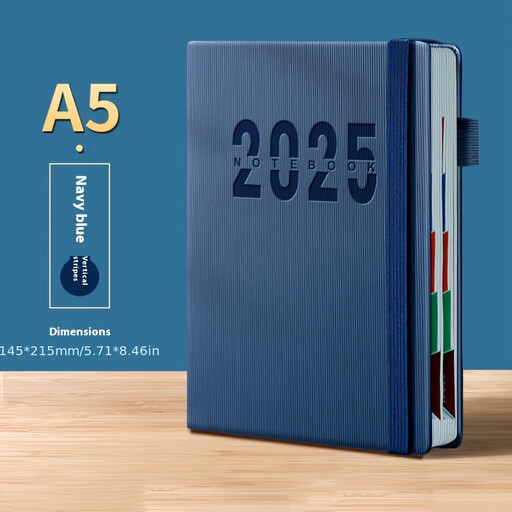
Why it stands out: This notebook is designed for continuous planning over 365 days. Its structure is tailored to the needs of a professional environment, combining scheduling with self-monitoring features.
Benefits:
Who it's for: This planner is an excellent choice for professionals, project managers, and anyone who needs detailed, daily planning for the entire year and values documenting their progress.

Why it stands out: The Jubiluu planner combines the flexibility of an undated system with the durability of a hardcover. The high-quality paper and thoughtful details make it a practical companion.
Benefits:
Who it's for: Ideal for students, freelancers, and creatives looking for an adaptable planner without a fixed start date. It's also suitable for long-term goal tracking or as a personal journal.
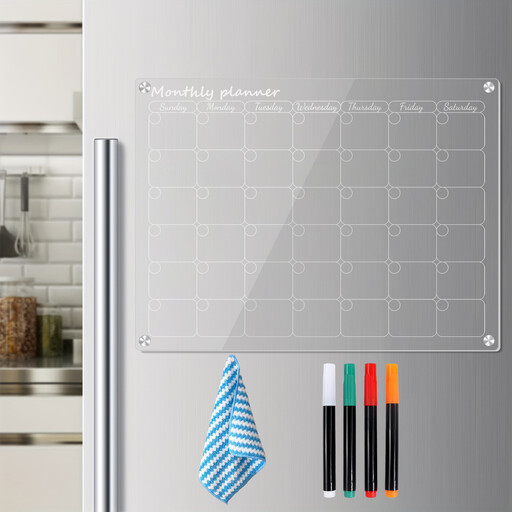
Why it stands out: This planning board offers a visual and reusable solution for monthly planning. As a central organizational element in any room, it creates a clear overview for everyone involved.
Benefits:
Who it's for: Perfect for families, small teams, or individuals who prefer a central, visual overview of their monthly commitments. It functions as an effective office organizer for shared projects and schedules.
The products featured here cover a range of organizational styles, but the world of planners is vast. If you haven't found the right model yet or prefer specific layouts, it's worth exploring other alternatives.
Explore our full range of weekly notebook planners and find the tool that matches your organizational style.
A planner primarily focuses on the calendrical recording of appointments and tasks. A time management journal often goes a step further, integrating methods for goal setting, prioritization (like the Eisenhower Matrix), and reflection. Many modern planners combine both functions to support a holistic approach to organization.
Getting started is simple. Begin by filling in the current month and week pages. First, enter only your fixed appointments. Then, add your most important tasks for the week. The key is to use the planner regularly and develop a routine, such as a brief planning session on Sunday evening.
Yes, a planning board is an excellent tool for the home office. It helps to visually separate professional and personal commitments and provides a clear overview of project phases, deadlines, and important family events. As a central office organizer, it can boost productivity by keeping the most important information always in view.