
Lieferung heute & morgen

Qualitätsgarantie

Willkommens-Angebote freischalten: KOSTENLOSE Lieferung | Bis zu 80 % RABATT | Kostenlose 30-Tage-JoyPlus-Testphase
App herunterladen
The search for an effective anti-aging serum often leads to products containing retinol. This active ingredient, a form of Vitamin A, is renowned for its ability to improve the appearance of fine lines, wrinkles, and uneven skin tone. However, the sheer variety of products, concentrations, and formulations can be overwhelming. This guide is designed to provide clarity and help you find a retinol serum that suits your skin's needs and your experience level.
As your Joybuy Product Recommendation Officer, I have compiled information to offer you objective and practical guidance. The goal is to provide you with an informed basis for your decision, moving beyond marketing claims.
Choosing the right product depends on several factors. Here are three key points to consider in your decision.
Although often used interchangeably, there are differences between retinoids. The most common forms in skincare are retinol and retinal.
Concentration is crucial for both efficacy and tolerance.
A good retinol serum often includes other ingredients that improve tolerance or complement its effects. Look for formulations containing soothing or hydrating components like squalane, ceramides, or hyaluronic acid. These can help to offset the dryness and irritation that can sometimes accompany retinoid use.
Based on the criteria above, we have curated a selection of products that cater to different needs and experience levels.
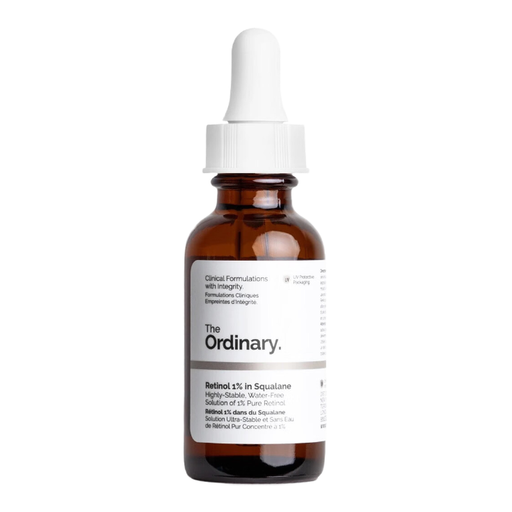
Why It Stands Out: This water-free formulation combines a high concentration of 1% pure retinol with squalane. This combination aims to intensively combat the signs of aging while supporting the skin barrier with the hydrating properties of squalane.
Benefits:
Who It's For: Experienced retinol users seeking a high-strength formulation to specifically target and improve the appearance of wrinkles and uneven skin texture. Due to its high concentration, it is not suitable for beginners.
View Product: The Ordinary Retinol 1% in Squalane
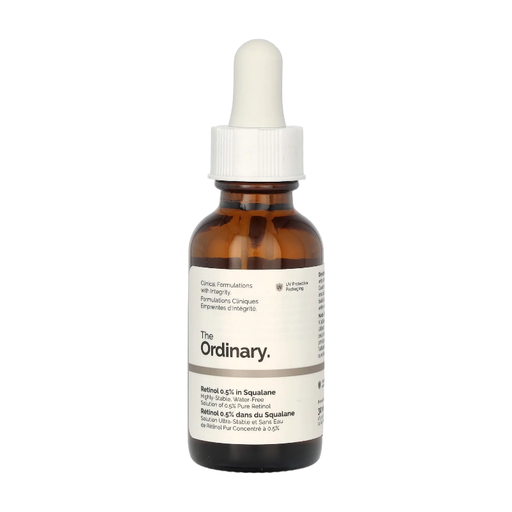
Why It Stands Out: As an intermediate step in the The Ordinary Retinol range, this serum offers a moderate concentration of 0.5% retinol. It's a great option for those looking to step up from a lower concentration without jumping directly to a high-strength formula.
Benefits:
Who It's For: Users with some initial retinol experience who are ready for the next step. It is suitable for combating early to moderate signs of aging.
View Product: The Ordinary Retinol 0.5% in Squalane
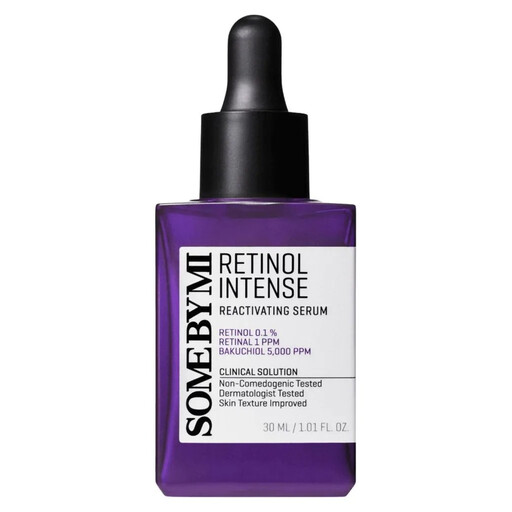
Why It Stands Out: This serum takes a multi-ingredient approach. It combines retinol (0.1%), retinal (1 ppm), and the plant-based ingredient bakuchiol (5,000 ppm). According to the manufacturer, Some By Mi, its patented "Elastic-Liposome" technology ensures stable delivery of the active ingredients into the skin and is specifically designed for sensitive skin.
Benefits:
Who It's For: Ideal for retinol for beginners and individuals with sensitive skin who are looking for a comprehensive anti-aging solution designed to minimise the risk of irritation.
View Product: Some By Mi Retinol Intense Reactivating Serum
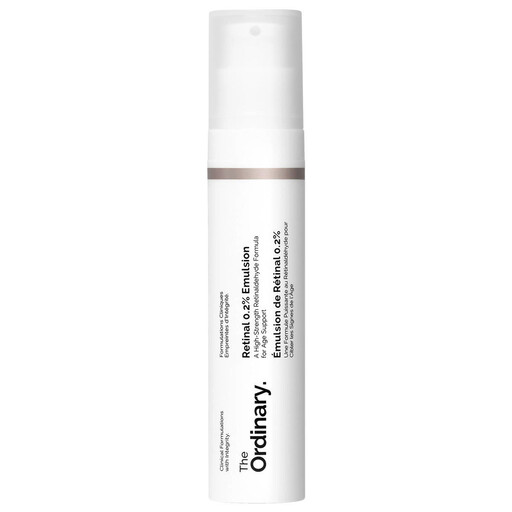
Why It Stands Out: This product utilises 0.2% stabilised retinal, a more potent form of the Vitamin A derivative. As retinal requires only one conversion step to its active form, it can work more efficiently. The formula also contains synthetic oat extracts which, according to the manufacturer DECIEM, help to alleviate dryness and discomfort.
Benefits:
Who It's For: Advanced users familiar with retinoids who are looking for a high-performance formulation for visible results. The bright yellow colour comes from the high concentration of retinal.
View Product: The Ordinary Retinal 0.2% Emulsion
Didn't find the right product in our selection? Every skin type has unique needs, and sometimes it takes a little more searching to find the perfect match.
Explore our entire range of serums and discover more formulations tailored to your specific skin goals.
Discover All Retinol Face Serum Products
1. When should you start using retinol? There is no set age, but many skincare users begin incorporating retinol into their routine in their mid-to-late 20s. At this point, natural cell turnover begins to slow down, and preventative use can help to mitigate the first signs of aging.
2. Can you use retinol every day? The frequency depends on the product's concentration and your individual skin tolerance. Beginners should start by applying it once or twice a week and slowly increase the frequency if no irritation occurs. Experienced users with resilient skin may be able to use highly tolerable formulations daily (in the evening only). Always follow the manufacturer's application instructions.
3. What should not be combined with retinol? To avoid skin irritation, retinoids should not be used in the same routine with other potent active ingredients. This includes direct acids (like AHA/BHA), high-concentration or direct Vitamin C (LAA/ELAA), and certain peptide formulations (e.g., copper peptides). It is recommended to use these actives on alternate days or at different times of day (e.g., Vitamin C in the morning, retinol in the evening). Daily use of a high-SPF sunscreen is essential when using retinoids, as they can make the skin more sensitive to the sun.