
Lieferung heute & morgen

Qualitätsgarantie

Willkommens-Angebote freischalten: KOSTENLOSE Lieferung | Bis zu 80 % RABATT | Kostenlose 30-Tage-JoyPlus-Testphase
App herunterladen
A 20 cm frying pan fits neatly into many small kitchens, is easy to store and works well for single portions, omelettes, vegetables or a small fillet of fish. But this compact size alone doesn't tell you much about how it will perform day to day. Mistakes often happen because of unclear information about hob compatibility, exaggerated claims about the coating, or features that simply don't match your cooking style.
This buying guide highlights what you really need to check before purchasing a small frying pan, and which models could suit different households.
The "20 cm" measurement usually refers to the top rim. The actual base of the pan can be smaller. For example, the base of the Silit Belluna measures 14.5 cm. This is especially important on induction hobs: a large cooking zone may not recognise a small base as you'd expect, or may distribute the heat less effectively.
So, make sure you check:
A frying pan for all hob types should be explicitly suitable for gas, electric, ceramic (or glass-ceramic) and induction. Not every aluminium frying pan is automatically induction-compatible. It usually needs a magnetic base or a specially designed base construction.
When looking at product details, also consider the oven temperature and handle material separately. A pan may be oven-safe, but only without a removable plastic or Bakelite handle.
A non-stick frying pan makes it easier to release delicate foods and can help you cook with less oil. However, its lifespan depends heavily on temperature, utensils and cleaning. "Scratch-resistant" doesn't mean that knives, forks or scouring pads can be used without any long-term damage.
Look out for:
An aluminium frying pan is usually relatively light and responds quickly to temperature changes. When coated, it's often a good choice for eggs, pancakes and vegetables. A solid wall and base construction matters more than just keeping the weight as low as possible.
A stainless steel frying pan without a coating requires a bit more practice with temperature and the amount of fat you use. On the plus side, the surface is uncoated and more resistant to certain kitchen utensils. Multi-layer models often combine stainless steel with an aluminium core to distribute heat more evenly across the base.
A ceramic-coated pan can be an alternative to PTFE-coated surfaces. What really matters are the specific care instructions from the manufacturer. Here too, you should avoid metal utensils and harsh cleaning products if you want the surface to last.
For delicate foods, a coated frying pan is very practical. The Silitan surface on the Silit Belluna is described by the manufacturer as a PTFE non-stick coating. It has a stated heat resistance of up to 260 °C; however, the plastic handle is only oven-safe up to 70 °C according to the product information.
The Zeropan FD Hybrid, according to the product description, features a natural ceramic coating without PFAS, PTFE and PFOA. This model has a stainless steel body with an aluminium core and is stated to be oven-safe up to 260 °C. You should always compare such manufacturer claims with your actual usage and the care instructions.
A dishwasher-safe frying pan saves time, but it can put more strain on the coating than gentle hand washing. For coated pans, a soft sponge is usually recommended. Always let the pan cool down before cleaning to avoid stressing the material.
A frying pan with a lid is useful if you want to braise small portions, cook vegetables or keep food warm. The lid will need extra storage space. If you mainly cook eggs or pancakes, you can probably do without this feature.

Why this product fits the profile: This lightweight aluminium pan is stated by the manufacturer to be suitable for gas, electric, ceramic and induction hobs, making it a good choice for households with different hob types.
The product data specifies the suitable hob zone diameter of 14.5 cm, along with clear limits for the coating and handle.
Coated aluminium, lightweight, Silitan PTFE coating and, according to the manufacturer, a five-year guarantee.
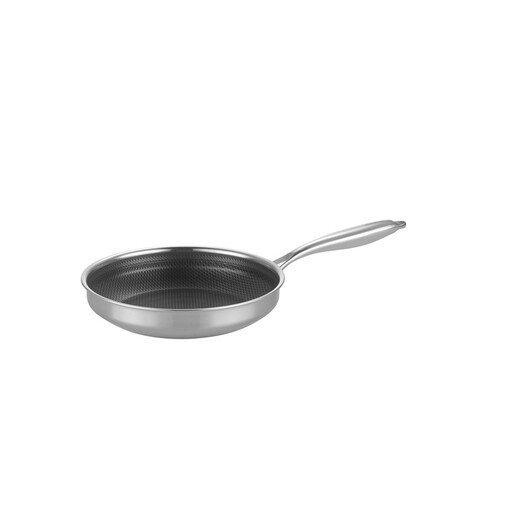
Why this product fits the profile: The stainless steel body with an aluminium core and ceramic coating combines a multi-layer construction with suitability for induction and other hob types.
The details state the coating type, material construction, PFAS/PTFE/PFOA-free status and the maximum oven temperature.
Three-layer construction, ceramic non-stick surface, stainless steel handle and, according to the product information, dishwasher-safe.
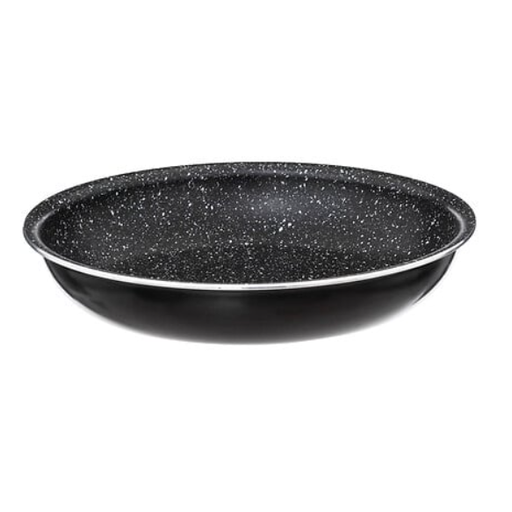
Why this product fits the profile: This model is designed for small kitchens, camping and households with limited storage space. The compatible removable handle needs to be bought separately.
Check the contents and handle system before buying, so you don't miss any necessary accessories.
Pressed aluminium, non-stick interior and, according to the product description, can be used without the handle in the oven.
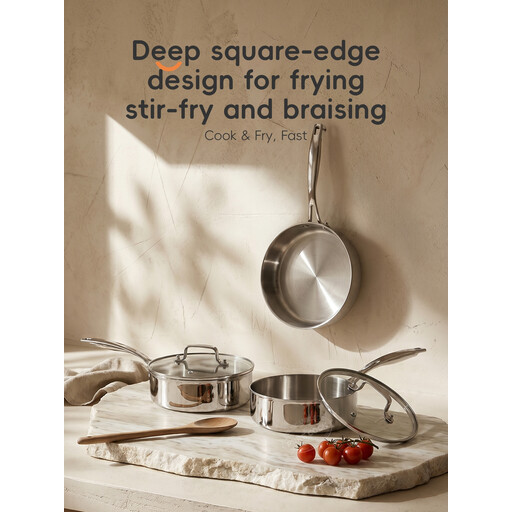
Why this product fits the profile: The deeper shape and glass lid make it ideal for braised dishes, pasta and small portions with less risk of splashing.
The product data clearly states the material, lid, hob types, oven suitability and dishwasher compatibility.
304 stainless steel with a three-layer construction, glass lid and, according to the manufacturer, suitable for induction and the dishwasher.
We've put together a full, regularly updated list of products that meet these strict selection criteria and comply with all EU safety regulations.
A 20 cm pan is mainly suitable for a single portion or smaller amounts for two people. For several steaks, large stir-fries or family-sized portions, a larger diameter is usually more practical. Remember that the actual cooking surface may be smaller than the rim diameter.
An induction frying pan 20 cm must be explicitly approved for induction. Aluminium on its own is not enough. Models with a magnetic or induction-compatible base are suitable, such as the Silit, Zeropan and 5five models listed here as induction-compatible. Before buying, also check that the base diameter matches your cooking zone.
Use wooden, silicone or plastic utensils, unless the manufacturer advises otherwise. Don't heat the pan when empty and avoid consistently very high temperatures. Let it cool down before washing and use a soft sponge on coated surfaces. If you notice visible peeling, deep scratches or warping, stop using the pan.