
Lieferung heute & morgen

Qualitätsgarantie

Willkommens-Angebote freischalten: KOSTENLOSE Lieferung | Bis zu 80 % RABATT | Kostenlose 30-Tage-JoyPlus-Testphase
App herunterladen
A compact 20 cm non-stick pan is an indispensable tool in kitchens where quick and easy meals for one to two people are prepared. It's ideal for the morning fried egg, a single chicken breast, or sautéed vegetables. However, the search for a durable model can be frustrating. Many pans lose their non-stick properties after just a few weeks or perform poorly on modern stovetops.
This guide highlights the most common pitfalls to avoid and explains which technical features you should look for to make an informed decision.
Before we dive into the important features, let's look at the typical problems that lead to a bad purchase.
To avoid these problems, you should pay attention to three central product characteristics when making your selection.
For induction stovetop users, the quality of the base is the most important criterion. A good small induction frying pan needs a thick, warp-resistant, and fully ferromagnetic base. Such a base ensures:
A coated aluminum pan is often a great choice here, as aluminum conducts heat excellently, while an integrated ferromagnetic steel plate ensures induction compatibility.
The non-stick property is central for a pan for fried eggs or other delicate foods. Modern coatings, often with an attractive marble-look finish, are durable, but their lifespan largely depends on correct usage.
A lightweight frying pan makes tossing and handling easier, especially when preparing single servings. Aluminum is the material of choice for this.
The handle plays an equally important role in ergonomics and safety. A wooden handle offers two key advantages:
Ensure the handle is securely riveted or screwed to the pan body and has no gaps where dirt can accumulate.
Here are some recommendations based on the criteria above, tailored to specific user profiles.

Why This Fits Their Persona: Ideal for students, singles, or couples looking for a compact and versatile pan for quick, daily meals. The light weight and ergonomic wooden handle make it effortless to use, perfect for breakfast or a healthy meal for one.
The deep, flat base is explicitly designed for induction, gas, and ceramic stovetops, ensuring stable, even heat distribution. This counteracts the problem of poor induction compatibility.
The combination of a lightweight aluminum body for rapid heating and a stay-cool real wood handle offers high functionality and safety for daily use.
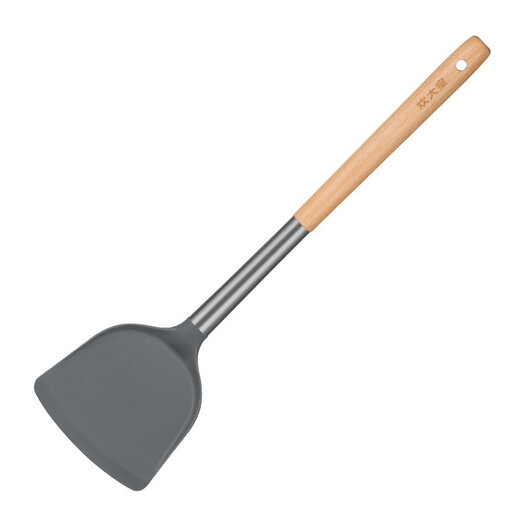
Why This Fits Their Persona: This user knows that the longevity of a non-stick pan depends on the right tools. This set is the perfect companion to protect the new pan's coating right from the start.
The soft silicone heads are specifically designed to prevent scratches on non-stick surfaces. This directly counters the common problem of premature coating wear from using the wrong utensils.
The set is BPA-free and highly heat-resistant for safe cooking. The water-resistant wooden handles are an ideal visual match for pans with a similar design, ensuring a cohesive kitchen aesthetic.
A thoughtful selection of kitchen utensils with wooden handles can enhance your kitchen's functionality and aesthetic. Discover more products designed for durability and style.
The lifespan of a non-stick pan heavily depends on the quality of the coating and its care. With proper use—avoiding metal utensils, overheating, and cleaning by hand—a high-quality model can last for several years. Cheaper models often show signs of wear after just a few months.
It is generally not recommended. The high temperatures and aggressive detergents in dishwashers can damage both the non-stick coating and the wooden handle. The wood can swell, crack, or detach from the pan body. Hand washing is the safest method to ensure the longevity of both the pan and its handle.
If a pan advertised as induction-compatible is not detected or heats up very slowly, the issue is usually with the base. Either the ferromagnetic layer is too thin, or the base is not perfectly flat, preventing sufficient contact with the cooktop. When buying, look for a thick, flat base explicitly optimized for induction.