
Lieferung heute & morgen

Qualitätsgarantie

Willkommens-Angebote freischalten: KOSTENLOSE Lieferung | Bis zu 80 % RABATT | Kostenlose 30-Tage-JoyPlus-Testphase
App herunterladen
Purchasing a home charging station for your electric car is a crucial step. A 22kW wallbox promises fast charging and future-proof performance. However, the market is flooded with options whose technical details and marketing claims often create more confusion than clarity. Incorrect assumptions can quickly lead to a poor purchase that either overloads your home's electrical connection, incurs unexpected follow-up costs, or can never be used to its full potential.
As your Joybuy Product Recommendation Officer, I'll help you separate the essential facts from exaggerated advertising claims. We will shed light on the three most common pitfalls when buying a 22kW wallbox and show you which technical parameters truly matter.
To avoid these pitfalls, you should check three core parameters before buying. These determine whether a wallbox is suitable, safe, and cost-effective for your individual situation.
A 3-phase wallbox with 22 kW (32 amps per phase) can theoretically charge an electric vehicle twice as fast as an 11kW version (16 amps per phase). The critical question, however, is: does your grid operator permit this?
Therefore, check the requirements of your local grid operator before making a purchase. An 11kW wallbox is often the more pragmatic and cost-effective solution.
This is one of the most important features for households with multiple electrical appliances or for those planning to install a second wallbox. A system with dynamic load management continuously measures the household's total power consumption. It dynamically adjusts the charging power for the electric car to prevent overloading the home's main connection.
A smart wallbox offers much more than just charging. Look for the following features:
Here are some options tailored to specific user profiles that meet the criteria mentioned above.
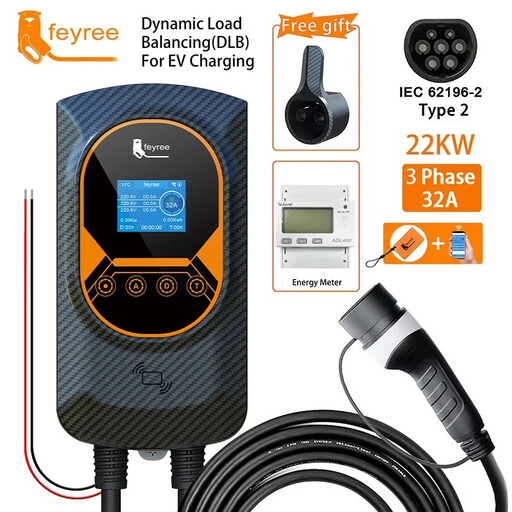
Why This Fits Their Persona: Ideal for homeowners who want the maximum charging power of 22 kW and need to intelligently manage their home's grid connection. Perfect for households with high electricity demand or for the future installation of a second wallbox.
The integrated dynamic load balancing (DLB) feature actively prevents overloading the home's electrical connection—one of the biggest risks with high-power wallboxes.
Full control via Wi-Fi using the Tuya app with no subscription fees. Adjustable current (8A-32A) and RFID function for access control.
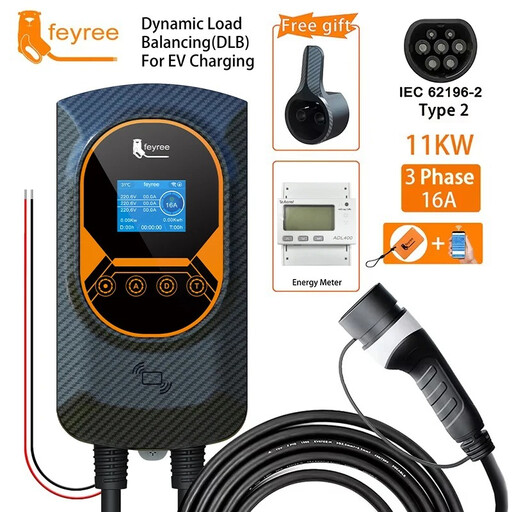
Why This Fits Their Persona: For users seeking a smart, safe charging solution but wanting to avoid the complexity and potential hurdles of a 22kW approval process. 11 kW is perfectly sufficient for overnight charging in most cases.
Bypasses the approval trap, as 11kW wallboxes only need to be reported to the grid operator. This significantly simplifies installation and avoids unforeseen delays or rejections.
Also offers dynamic load management and app control without subscription fees. A cost-effective and straightforward solution with a full feature set.
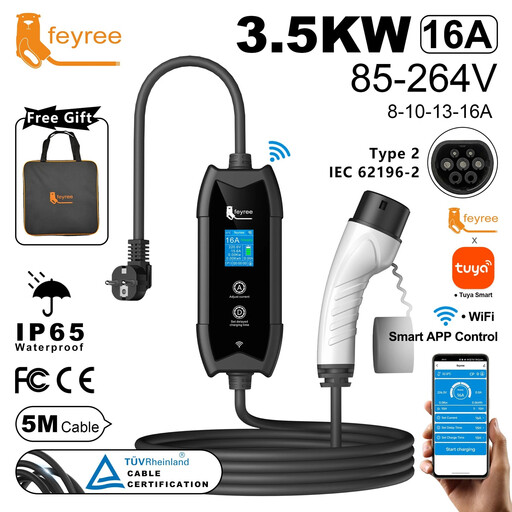
Why This Fits Their Persona: A mobile charging solution for anyone who cannot or does not want to install a permanent wallbox, such as renters or owners of a second car. It simply plugs into an existing standard household socket.
No installation or approval costs. Using a standard socket bypasses all the complexity of a permanently installed wallbox, while still offering smart features.
Portable and flexible. Offers app control for current adjustment (8A-16A) and charge scheduling to save costs, without requiring a permanent installation.
We have compiled a complete, up-to-date list of products that fully meet these strict selection criteria and German safety regulations.
Yes, in Germany, any charging equipment with a power rating of more than 11 kW must be approved by the responsible grid operator before installation (§ 19 NAV). Installation may only be carried out by a certified electrician after approval has been granted. Charging equipment up to and including 11 kW only needs to be reported.
Static load management distributes a fixed, defined total power across multiple charging points. For example, if 22 kW is available for two cars, each car is permanently allocated 11 kW. Dynamic load management is smarter: it measures the building's total current power consumption in real-time and flexibly allocates the remaining, actually available power to the charging vehicles. This maximises charging speed without overloading the home's main connection.
No. The landscape for wallbox subsidies is constantly changing. Previous nationwide German programs, like the KfW 440 grant, have expired. Whether a wallbox is eligible for subsidies depends on current regional or municipal funding programs. These often have specific requirements, such as throttling the power to 11 kW, using green electricity, or allowing control by the grid operator. It is essential to research the applicable subsidy conditions in your area before making a purchase.