
Lieferung heute & morgen

Qualitätsgarantie

Willkommens-Angebote freischalten: KOSTENLOSE Lieferung | Bis zu 80 % RABATT | Kostenlose 30-Tage-JoyPlus-Testphase
App herunterladen
A 24 cm frying pan is a staple in many British households: the diameter works well for egg dishes, vegetables, fish fillets or smaller portions of meat. Singles and couples often use it as a compact everyday pan, while home cooks add it to their collection alongside larger models.
On product pages, many pans look similar. However, differences emerge when it comes to hob compatibility, coating, temperature limits, weight and cleaning. If you only focus on colour or marketing claims, you might end up with a pan that doesn't suit your hob or your preferred cooking style.
A 24 cm induction frying pan needs a magnetic base. Not every aluminium frying pan is automatically suitable for induction. So look for explicit compatibility with induction, gas, electric and ceramic hobs.
The base size also matters: a pan with a 24 cm rim diameter can have a smaller contact base. With the Silit Belluna, for example, a hob zone of around 18 cm in diameter is stated as suitable. If the pan base and hob zone don't align well, heat distribution can behave differently in everyday use than you'd expect.
A coated frying pan makes cooking delicate foods easier. But that doesn't mean you should heat it empty on the highest setting. Several manufacturers advise against overheating empty pans and against using sharp-edged or metal kitchen tools.
Check the maximum temperature ratings separately for hob and oven. With the Silit Belluna, for instance, heat resistance of up to 260 °C is stated, but only 70 °C oven suitability. These values are not the same.
A dishwasher-safe frying pan can make cleaning easier. However, with coated models, hand washing with a soft sponge is often still recommended, because harsh detergents and high temperatures can affect the lifespan of the surface.
For an uncoated carbon steel pan, different rules apply: it must not go in the dishwasher and, after cleaning, must be dried thoroughly and lightly oiled. The right care therefore depends more on the material than on the diameter.
For a household with induction, an induction-compatible pan is essential. With gas and electric hobs, heat distribution and responsiveness are also key considerations. Aluminium generally heats up quickly and is relatively lightweight. Multi-layer stainless steel pans often combine stainless steel with an aluminium core.
Look out for the following details:
An aluminium frying pan can be a practical choice if low weight and fast heating are important to you. A PTFE-coated non-stick pan is often ideal for eggs, fish and vegetables at low to medium heat. A 24 cm ceramic pan is often chosen when a PFAS-, PTFE- and PFOA-free coating is desired, according to the product information.
A 24 cm stainless steel frying pan with coating, on the other hand, can have a multi-layer construction and a more stable handle. Uncoated stainless steel or carbon steel usually requires more experience with preheating and fat quantity. Carbon steel develops a patina with use, but is more demanding to care for than a classic non-stick pan.
A lightweight frying pan is comfortable to flip with and to take out of the cupboard. A plastic or Bakelite handle often stays pleasant to hold during appropriate hob use, but may have a lower oven temperature limit. Stainless steel handles are often more oven-safe, but can get hot.
For everyday use, you should also check:
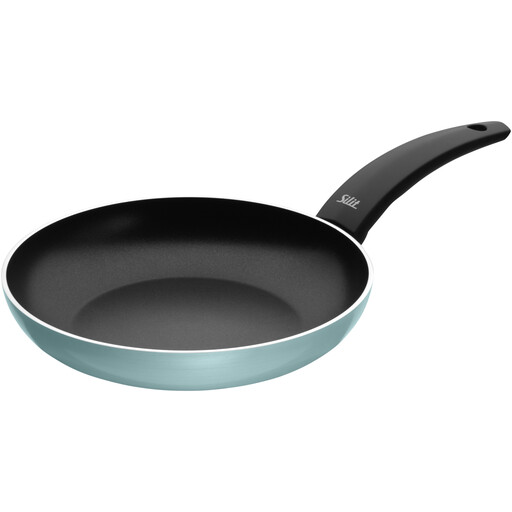
Why this product fits the profile: This coated aluminium frying pan is designed for all common hob types including induction and, according to the product information, is easy to handle.
The hob compatibility and temperature limits are clearly stated. However, you should still avoid overheating it when empty and using unsuitable kitchen tools.
Aluminium body, Silitan PTFE coating, plastic handle and a stated 5-year guarantee.
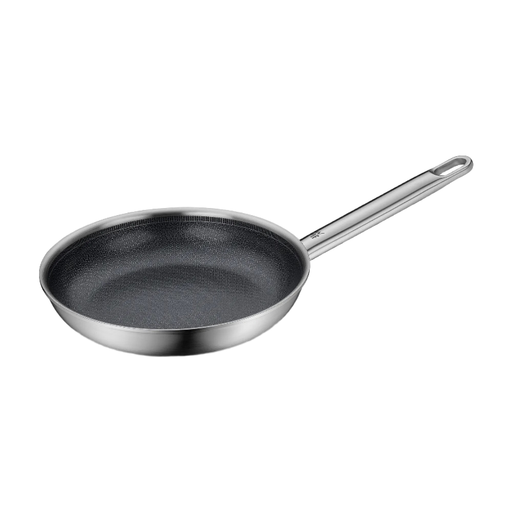
Why this product fits the profile: The combination of Cromargan stainless steel, aluminium core and coated surface is aimed at users who value a multi-layer construction and a stainless steel handle.
The product data states suitability for induction, gas, electric and ceramic hobs, as well as dishwasher suitability. Gentle kitchen tools are still recommended for the coating.
Protection Grid, PermaDur coating, aluminium core and ergonomic stainless steel handle.
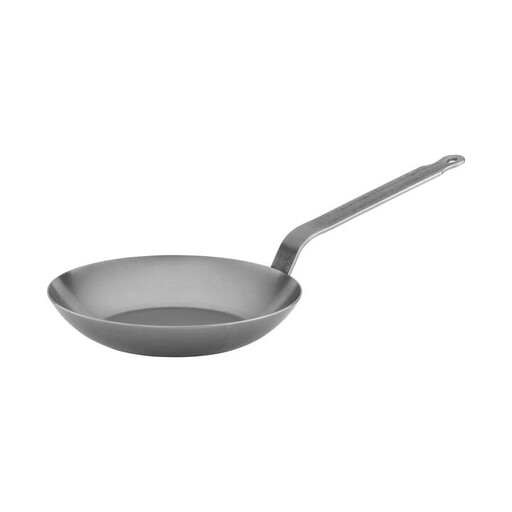
Why this product fits the profile: This uncoated carbon steel pan is ideal for users who prefer high temperatures, searing and building up their own patina.
The care requirements are clear: seasoning before first use, no dishwasher, immediate drying and occasional oiling.
Carbon steel body, suitability for induction and high heat, plus an oven-safe steel handle.
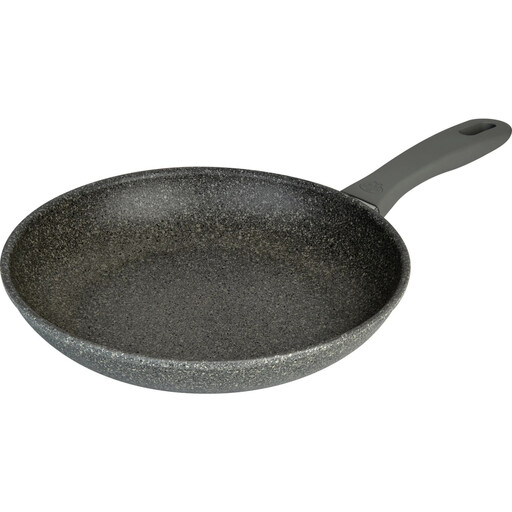
Why this product fits the profile: This model is designed for portions for one to two people and combines a non-stick coating, induction compatibility and a temperature indicator.
The product description explicitly states the maximum oven temperature of 160 °C. This makes it easier to match usage to the technical limits.
Granitium Extreme coating, Thermopoint, induction compatibility and dishwasher suitability according to the product information.
We've put together a full, regularly updated list of products that fully meet these strict selection criteria and the safety regulations in force in the EU.
A 24 cm pan is generally suitable for one to two people. Two eggs, smaller fish fillets, vegetable side dishes or two smaller pieces of meat can usually be cooked comfortably. For family-sized portions, a larger diameter is more practical.
Models whose product data explicitly state induction compatibility are suitable. Aluminium alone is not enough; what matters is a magnetic base or a corresponding base plate. The product description should also clearly list the other hob types.
The lifespan depends on heat, kitchen tools, cleaning and frequency of use. Overheating, metal utensils and abrasive sponges can damage the coating more quickly. It's therefore impossible to give a general figure for durability. It's better to check the care instructions and guarantee conditions of the respective manufacturer.