
Lieferung heute & morgen

Qualitätsgarantie

Willkommens-Angebote freischalten: KOSTENLOSE Lieferung | Bis zu 80 % RABATT | Kostenlose 30-Tage-JoyPlus-Testphase
App herunterladen
Finding the right 240x220 duvet cover for a large double bed can be a challenge. The selection is vast, and navigating the differences in material, design, and functionality can often be overwhelming. This guide is designed to provide you with objective information and clear guidance. We'll introduce the key criteria to consider when making your choice and present a selection of products to simplify your decision.
To find the perfect 240x220 bedding set that meets both your comfort needs and aesthetic preferences, there are a few key factors to consider.
The choice of fabric is crucial for your sleep environment and how it feels against your skin. The two most common materials for bedding are cotton and microfiber, each with its own distinct properties.
The closure on a duvet cover is a practical detail that impacts daily use.
Beyond material and function, aesthetics play a central role in setting the bedroom's atmosphere. Whether it's a simple black and white duvet cover or a patterned duvet cover with floral or graphic motifs, the design should complement your interior style.
Also, pay close attention to the pillowcase size. While the 80x80 cm standard is common in Germany, many sets, especially those with international designs, come with 65x65 cm or other pillowcase sizes. Therefore, always check the product description for a 240x220 duvet cover with 80x80 pillowcases or whichever size you require.
For health-conscious buyers, a certification like OEKO-TEX STANDARD 100 is an important criterion. This label confirms that the textile has been tested for harmful substances and is therefore safe for your health.
Here is a curated selection of bedding sets, each distinguished by its unique features.
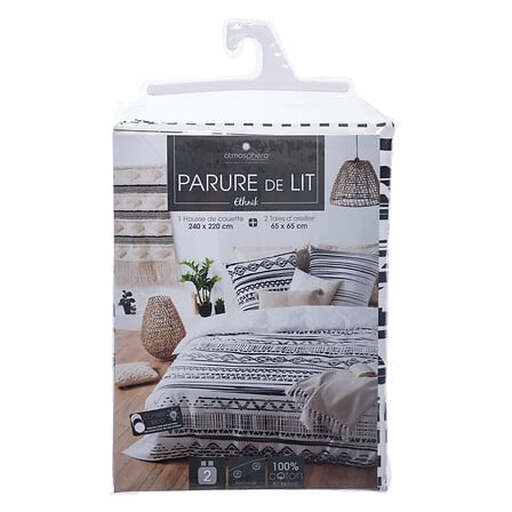
Why it stands out: This set combines a bold, modern design with the trusted properties of cotton. The black and white ethnic pattern makes a clear visual statement in the bedroom.
Advantages:
Who it's for: For those looking for a statement piece for their bedroom who also appreciate the comfort and breathability of pure cotton. Ideal for lovers of graphic and monochrome designs.
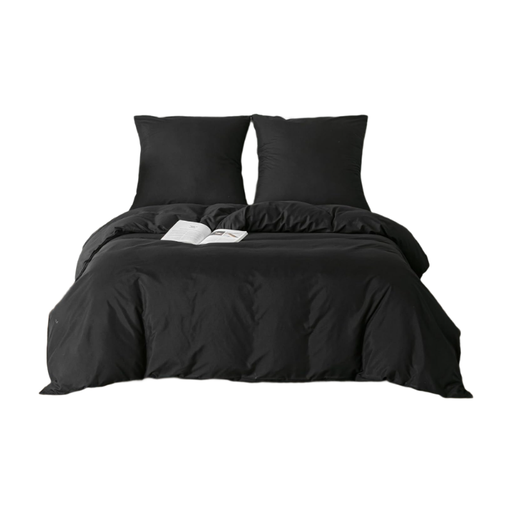
Why it stands out: This set focuses on functionality and comfort. With practical details like internal ties and a zip closure, it's designed for effortless handling.
Advantages:
Who it's for: For practical users seeking a low-maintenance, allergy-friendly solution. The internal ties are perfect for anyone frustrated by a shifting duvet.

Why it stands out: A timeless classic. The subtle grey stripe pattern lends a calm and elegant touch to the bedroom, while the cotton fabric ensures natural sleeping comfort.
Advantages:
Who it's for: For those who prefer a classic, understated design and don't want to compromise on the benefits of pure cotton. Complements a wide range of interior styles.
Don't see a perfect match for your taste or needs? Every bedroom is unique, and choosing bedding is a highly personal decision. Explore more designs, materials, and sizes in our collection.
Discover Our Full Collection of Duvet Covers and Pillows
In Germany, the 80x80 cm pillowcase size is very common. Many 240x220 bedding sets are therefore offered with matching cases in this dimension. However, as shown in our selection, sets are also available with international sizes like 65x65 cm or 40x80 cm. It is therefore essential to check the product description carefully before purchasing to ensure the pillowcase sizes match your existing pillows.
Microfiber is considered temperature-regulating. The material wicks moisture away quickly, which can help prevent a sweaty feeling. However, in very high temperatures, some people find natural fibres like cotton or linen to be more airy and pleasant against the skin. This perception is highly subjective.
To maintain the quality and colour of your cotton bedding for a long time, you should follow the care instructions on the label. Generally, it is recommended to wash the bedding at 40°C to 60°C with a mild or colour-safe detergent. Turn the covers inside out before washing to protect the pattern. Avoid using bleach. Tumble drying on a low heat setting is usually possible, but air drying is gentler on the fibres.