
Lieferung heute & morgen

Qualitätsgarantie

Willkommens-Angebote freischalten: KOSTENLOSE Lieferung | Bis zu 80 % RABATT | Kostenlose 30-Tage-JoyPlus-Testphase
App herunterladen
A 2 mm transparent PVC table protector lets you see the surface beneath while protecting it from liquids, stains, scratches and everyday wear. It’s a practical alternative to a traditional fabric tablecloth for dining tables, kitchen worktops, desks and tables in cafés, schools and care settings.
However, it’s easy to incur unnecessary costs if you overlook important details when buying. As a Joybuy Product Recommendation Officer, I’ll explain the key product specifications and show you which option suits different needs.
A rectangular table protector measuring 80 × 140 cm won’t necessarily fit every tabletop with similar dimensions. Before you buy, measure the length and width of the table surface carefully. If it has rounded corners, overhanging edges or needs a custom cut, it’s also worth allowing a little extra.
Some protectors are delivered rolled up and may curl at first when unpacked. This doesn’t mean the material is faulty. Depending on the product description, it may take 24 to 48 hours to lie flat. Unrolling it carefully and placing weights on it temporarily can help.
The term heat-resistant table protector is only useful if it comes with a specific temperature rating. Some WOLTU versions are described as heat-resistant up to 80 °C. Other product descriptions warn that temperatures above 60 °C may cause permanent deformation.
You should therefore avoid placing pots, pans or ovenware directly on the protector. For very hot items, use a heat mat as well. Always check the temperature rating for the specific version before buying.
Air bubbles can form between PVC and the surface of glass, high-gloss lacquer or highly polished tabletops. For this reason, some versions recommend using a thin fabric layer underneath. If you’re looking for a table protector for a glass dining table or desk, pay particular attention to this advice.
A non-slip table protector with a textured underside can improve grip. However, “non-slip” doesn’t mean the protector will be completely fixed in place on every surface. Dust, grease and moisture between the table and protector can reduce stability.
At 2 mm thick, PVC has more substance than very thin plastic films. It can shield your tabletop from splashes, everyday dirt and light knocks. The material remains transparent, so the grain, colour or pattern of your table stays visible.
A PVC table protector is generally water-repellent or waterproof, provided this is stated in the product details. A soft, damp cloth with a mild soapy solution is usually all you need for cleaning. Abrasive cleaners, rough sponges and concentrated bleach can make the clear surface look cloudy.
A straight edge is suitable for simple, practical use. Versions with a bevelled 45° edge can feel more comfortable when you rest your arms on them and give the edge of the table a less sharp appearance. This can be a useful detail for families with children or for regular use in the kitchen and dining room.
Many 2 mm protectors can be trimmed with a sharp household knife or suitable scissors. Cut the material on a stable surface, using a straight edge as a guide. Keep young children away while you’re cutting.
For a clear table cover for everyday use, resistance to water, oil and dirt is usually more important than the highest possible temperature rating. In kitchens, cafés and care settings, wipe the surface regularly. PVC isn’t designed for direct heat, naked flames or sharp objects.
If food will come into direct contact with the protector, follow the specific manufacturer’s guidance. Its transparent appearance or material name alone doesn’t establish whether it’s suitable for every type of food contact.

Why this product suits this buyer: Its rectangular size fits many standard dining and work tables. According to the product description, the protector is waterproof, wipe-clean and can be trimmed if needed.
The 2 mm thickness and clearly stated dimensions help you avoid very thin protectors and unsuitable sizes. The manufacturer’s guidance still applies when it comes to high temperatures.
Transparent 2 mm PVC, a smooth wipe-clean surface and the option to trim it to size.
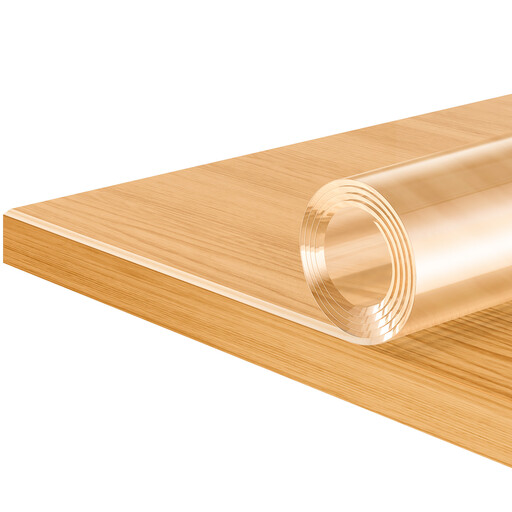
Why this product suits this buyer: The bevelled edge, transparent finish and textured underside combine practicality with a subtle look for dining and kitchen tables.
The product details specify the dimensions, 2 mm thickness and 45° edge, rather than making only general claims about comfort or protection.
A water- and grease-repellent surface, a rounded or bevelled edge and a textured underside for a more secure grip.
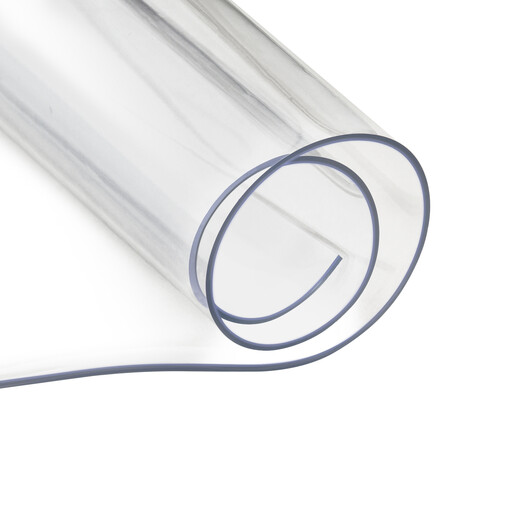
Why this product suits this buyer: Its larger surface is a good option for long dining tables, buffet areas, cafés, schools or care settings where spills and dirt need to be cleaned up frequently.
The large, clearly stated surface area reduces the risk of needing to overlap several pieces of protector. For glass and high-gloss surfaces, bear in mind the advice about possible air bubbles.
2 mm PVC, a waterproof, wipe-clean surface and plenty of coverage for larger rectangular tables.
We’ve put together a complete, regularly updated list of products that meet these strict selection criteria and fully comply with the safety regulations in force in the EU.
A few simple, consistent steps can help your protector last longer:
First, measure the area you need accurately and mark it on the underside. Use a straight edge as a guide and a sharp cutting tool to trim the PVC protector. If it has been rolled up, wait until the material is as flat as possible before cutting.
Its lifespan depends on how it’s used and cleaned, as well as exposure to sunlight, heat and sharp objects. A 2 mm protector is designed for regular everyday use, but it won’t stay in shape indefinitely if exposed to constant heat or cleaned incorrectly. Visible warping, cracks or a heavily dulled surface are signs that it may be time for a replacement.
It depends on the specific product description and the surface finish. Air bubbles can form on glass or high-gloss surfaces. If the manufacturer recommends using an underlay, make sure you do. Before using the protector across the whole table, it’s a good idea to test it on a small, inconspicuous area.