
Lieferung heute & morgen

Qualitätsgarantie

Willkommens-Angebote freischalten: KOSTENLOSE Lieferung | Bis zu 80 % RABATT | Kostenlose 30-Tage-JoyPlus-Testphase
App herunterladen
A high-end table is often the centerpiece of the home—a place for shared meals, creative projects, or focused work. Protecting it from scratches, stains, and daily wear and tear is therefore an understandable priority. A 2mm table protector seems like the ideal solution: it preserves the look of the tabletop while providing robust protection. However, the market is crowded, and not every product delivers on its promise.
Many buyers discover only after a short time that their investment was a mistake. To help you avoid this experience, we will highlight the three most common problems that can arise when choosing a clear table cover:
An informed decision helps you navigate these pitfalls and find a product that will serve its purpose for the long term.
To find a durable and functional table protector film, you should check three key technical parameters. These features determine the quality and everyday usability of the product.
Material thickness is a critical factor for protective performance. A thickness of 2 mm has become the standard for a balanced compromise between flexibility and durability. It is thick enough to protect the table surface from dropped cutlery, accidental impacts, and scratches. At the same time, such a washable PVC tablecloth is completely waterproof, which makes cleaning up spills or food residue significantly easier. Look for products made from high-quality, low-odor PVC that is ideally food-grade, especially if the film will be used on a dining table.
A custom-cut table film is only worthwhile if it still fits perfectly after several weeks. High-quality PVC films have a lower shrinkage rate. Manufacturers of reliable products often account for minimal shrinkage by delivering the film slightly oversized by a few millimeters. This ensures that the film covers the entire tabletop even after the acclimatization period. Measure your tabletop precisely and check the supplier's information on cutting and recommended size selection.
The surface of the film affects both its appearance and functionality. A transparent table protector with a high-gloss finish can lead to the formation of air bubbles on polished wood, glass, or lacquered tables. For such surfaces, a matte or lightly textured film is often the better choice. Another important detail is the edge design. Models with a beveled edge (facet cut) offer a smoother transition and reduce the risk of injury from sharp edges, which is particularly beneficial in households with children. Making such a table pad scratch-resistant also depends on the quality of the surface seal.
Based on the quality criteria mentioned, we have identified several products suitable for different user profiles.
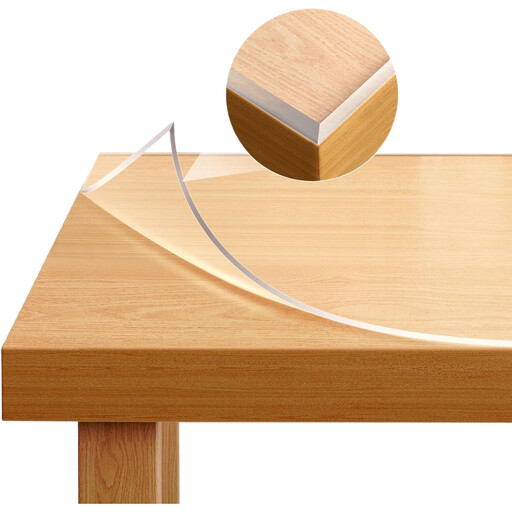
Why This Fits Their Persona: Ideal for the hustle and bustle of family life, where durability and safety are top priorities. The film reliably protects the dining table from crayons, spilled drinks, and scratches.
The 2 mm material thickness provides solid protection. According to the manufacturer, food-grade PVC is used, which reduces concerns about harmful fumes at the dining table.
The 45° beveled edge provides a comfortable feel and minimizes the risk of injury, as there are no sharp edges.
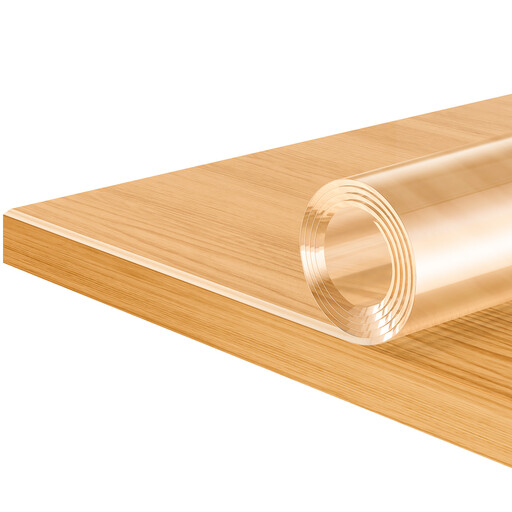
Why This Fits Their Persona: For those who don't want to hide the grain and color of their high-quality wooden table or the clean lines of a designer piece. The protection should be virtually invisible.
The high-gloss, glass-like transparency ensures that the table's aesthetic is not compromised. The specified 2 mm thickness offers reliable protection without being bulky.
The film is delivered rolled and lays flat on the table surface after a short time. The manufacturer accounts for a shrinkage tolerance in the cut.
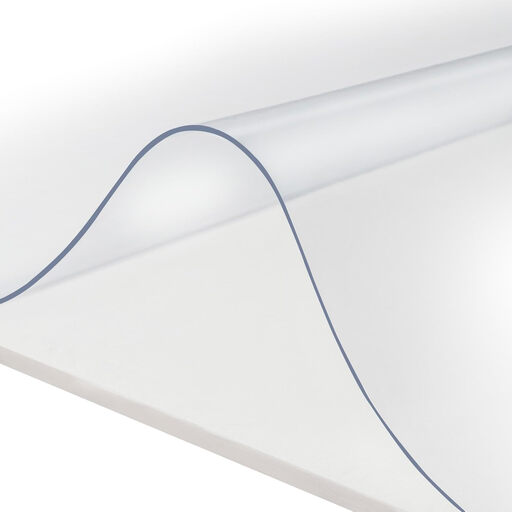
Why This Fits Their Persona: Perfect for desks, workbenches, or craft tables where a functional, durable, and easy-to-clean surface is needed. Aesthetics are secondary to pure protective function.
This product focuses on functional properties like water and heat resistance. The robust 2 mm thickness is designed to protect work surfaces and is less prone to damage.
Its heat resistance (up to 80°C, according to similar products) also makes it suitable for kitchen counters or as a mat for hot glue guns and soldering irons (with caution).
We have compiled a complete, up-to-date list of products that fully meet these strict selection criteria and relevant safety regulations.
1. How do I avoid air bubbles under the transparent table protector? Air bubbles mainly occur on very smooth, non-porous surfaces like glass, high-gloss lacquer, or polished marble. To prevent this, you can spray a very fine mist of water (water with a drop of dish soap) onto the tabletop before laying down the film. Then, use a soft cloth or a squeegee to push the liquid and air out from the center to the edges. Alternatively, for some tables, a very thin, barely visible fabric tablecloth can be placed under the film.
2. Does a PVC table protector shrink, and how should I handle it? Yes, a certain amount of shrinkage is a normal physical process for PVC films, caused by temperature fluctuations and the material's acclimatization. Reputable suppliers, therefore, often cut the film 1-5 mm larger. After receiving it, lay the film flat for 24-48 hours to allow it to adjust to the room temperature. Only then should you make a final trim if necessary, using a sharp utility knife and a metal ruler.
3. How do I properly clean a 2mm table protector? Cleaning is straightforward. For daily maintenance, a damp cloth, possibly with a mild household cleaner or dish soap, is sufficient. Wipe up spills immediately, especially from staining foods like curry, tomato sauce, or red wine, to prevent discoloration. Do not use abrasive cleaners, steel wool, or harsh chemicals (like acetone or bleach), as these can damage and cloud the film's surface.