
Lieferung heute & morgen

Qualitätsgarantie

Willkommens-Angebote freischalten: KOSTENLOSE Lieferung | Bis zu 80 % RABATT | Kostenlose 30-Tage-JoyPlus-Testphase
App herunterladen
A premium table is often more than just a piece of furniture—it's the heart of family life, a workspace, or a treasured heirloom. Protecting it from scratches, stains, and everyday wear and tear without obscuring its beauty is a common challenge. A 2mm transparent table protector seems like the ideal solution. However, the market is flooded with products whose quality differences are difficult to spot at first glance.
As your Joybuy Product Recommendation Officer, I'm here to help you navigate the common pitfalls. Many buyers invest in protectors that prove impractical after a short time. Pay close attention to these three frequent issues:
A well-considered choice will save you from disappointment and ensure your table is protected effectively and discreetly.
To find the right protective film for your dining table, don't be swayed by marketing promises. Instead, focus on objective criteria. These three parameters are crucial for longevity and functionality.
The material's thickness is a decisive factor for its protective capability and durability. A 2mm thick table protector offers an excellent balance of flexibility and robustness.
A clear, wipeable tablecloth should preserve the table's appearance, not detract from it. The main issue here is the aforementioned problem of air bubbles.
The edge finishing affects both safety and comfort.
Here are three recommendations tailored to different user profiles that meet the quality criteria mentioned above.
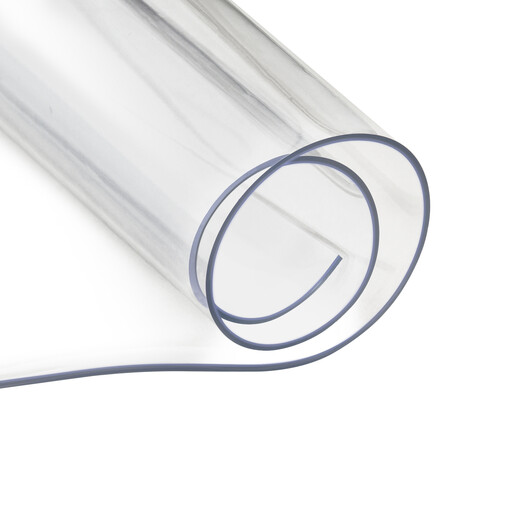
Why This Fits Their Persona: Ideal for daily use on a large dining table. Its robust construction withstands spills, food messes, and children's art projects, while cleanup remains effortless.
With a thickness of 2 mm, it avoids the pitfall of a film that is too thin and inadequate. The material is robust enough for the rigours of family life and lies flat and stable thanks to its weight.
Effective protection against liquids and scratches; waterproof and easy to wipe clean. The generous size fits many common dining tables.
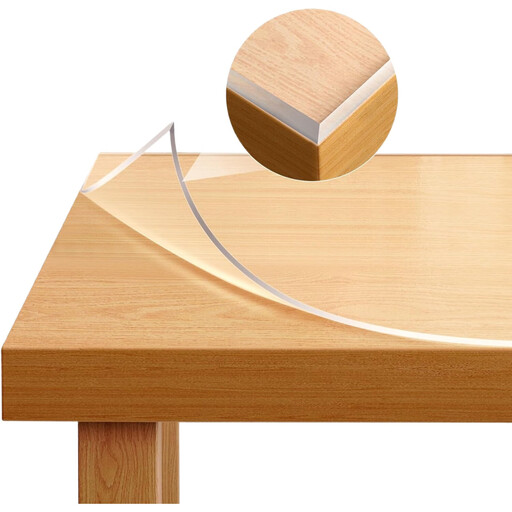
Why This Fits Their Persona: Perfect for desks where you spend many hours. The soft edge significantly enhances arm comfort while protecting the table surface from wear caused by keyboards and mice.
This model solves the problem of sharp edges with a 45° bevelled edge. This prevents uncomfortable pressure points on the forearms and enhances safety.
Enhanced ergonomic comfort due to the finished edges. According to the manufacturer, the material is food-safe and provides a smooth, easy-to-clean surface.

Why This Fits Their Persona: A solid all-round solution for users seeking a reliable, customisable, and durable transparent table cover for various tables, such as dining, kitchen, or craft tables.
This product addresses the issue of bubbling by providing clear usage instructions. It advises against placing the film directly on high-gloss surfaces, saving the user from aesthetic disappointment.
According to the manufacturer, the film is heat-resistant up to 60°C and can be easily cut to a custom size. The 2 mm material thickness ensures a robust protective layer.
If you'd like to compare more models selected based on objective criteria like material thickness and finish, you can find a more comprehensive overview here.
1. How do I get a rolled-up table protector to lie flat? Since the protectors are delivered rolled up, they need some time to flatten completely. Unroll the protector and place it on the table with the curl facing down. Weigh down the corners and centre with heavy, flat objects (like books) for 24-48 hours. Alternatively, gently warming it with a hairdryer on a low setting can speed up the process.
2. Can I place a hot cup directly on a heat-resistant table protector? Most PVC protectors have limited heat resistance, typically up to around 60-80°C. This is sufficient for warm plates but not for hot pots, pans, or very hot mugs straight from the microwave. To prevent marks or warping, always use a coaster or trivet for very hot items.
3. Why are bubbles forming under my transparent table cover? Bubbles occur when air gets trapped between the smooth protector and an equally smooth, non-porous surface (like glass, high-gloss lacquer, or polished marble). The protector essentially creates a suction effect on the surface. To prevent this, these protectors are often not recommended for such surfaces. If you still wish to use one, placing an ultra-thin, nearly invisible liner (e.g., made of organza) underneath can prevent direct contact and solve the problem.