
Lieferung heute & morgen

Qualitätsgarantie

Willkommens-Angebote freischalten: KOSTENLOSE Lieferung | Bis zu 80 % RABATT | Kostenlose 30-Tage-JoyPlus-Testphase
App herunterladen
A well-organised meal on the go can be the difference between an energised afternoon and a soggy, unappetising lunch. If you're considering a 3-compartment lunch box, you're looking for order and freshness. However, the market is flooded with products whose promises often don't hold up in practice. Before you make a decision, it's crucial to understand the common pitfalls that can lead to a purchase you'll regret.
This guide will show you what really matters when making your choice and how to find a functional, durable divided bento box that will make your daily routine easier.
Many products look practical at first glance but reveal their weaknesses only after daily use. Watch out for these three widespread flaws:
To avoid these problems, you should carefully examine three technical features before buying. These define the functionality and longevity of your future meal prep box.
Making a meal prep box leak-proof requires more than just a silicone ring around the outer edge. The critical feature is whether the internal dividers form a tight seal with the lid, thus sealing each compartment individually.
The material determines safety, durability, and ease of care. Polypropylene (PP, recycling code 5) is a common and excellent choice for food containers.
The number and size of the compartments should match your eating habits. A to-go salad container needs one large main compartment for the salad and smaller ones for toppings and dressing. For a variety of snacks, several equally sized compartments are more practical.
Based on these criteria, we have identified a few models that are well-suited for different types of users.
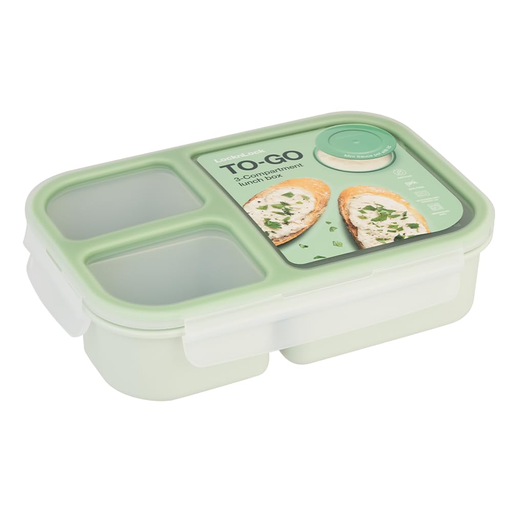
Why This Fits Their Persona: Ideal for professionals who need a clear separation between a main course, a side, and a small snack or dip. The 980 ml volume is designed for a standard lunch portion.
According to the manufacturer, the patented dual-chamber silicone seal is 100% airtight and watertight. The seal in the lid sits on top of the dividers, preventing liquids from mixing between compartments.
Robust 4-sided locking system; BPA-free PP material is suitable for the microwave (without lid) and dishwasher. Includes an integrated sauce container.
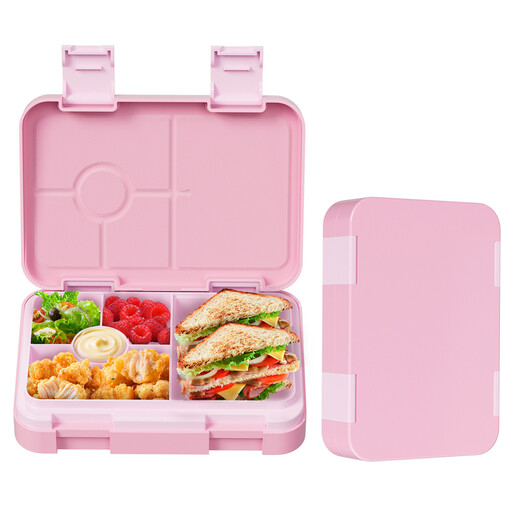
Why This Fits Their Persona: Perfect for anyone who likes to pack many small, different components—like fruit, nuts, crackers, vegetable sticks, and a dip. Encourages a varied diet.
The fixed division into five compartments prevents dry and wet snacks from mixing. The double latches ensure secure transport without accidental opening.
Maximum organisation with five separate compartments. The design is engineered to separate different food types, making it ideal for a colourful mix of snacks.
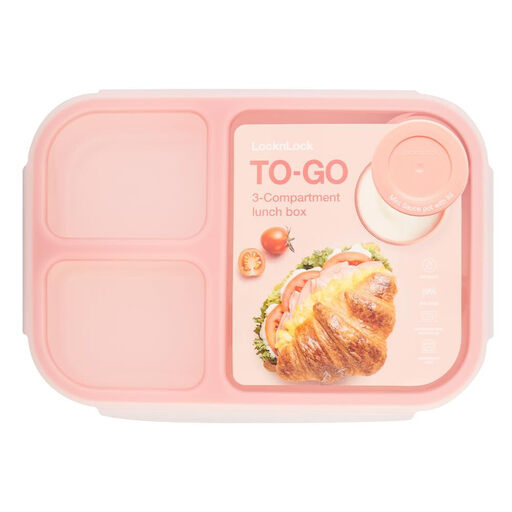
Why This Fits Their Persona: For users with a bigger appetite or for meals that require a lot of volume, like a large mixed salad. The 2-compartment layout is ideal for separating a main dish from a side.
This model avoids the pitfall of compartments that are too small. With a total volume of 1.5 litres, it offers ample space. The twist-lock lid is designed for a secure, leak-proof seal to safely transport even larger quantities.
Generous 1.5-litre volume. Made from durable PP plastic and suitable for the microwave (without lid), which simplifies daily use.
We've compiled a complete, up-to-date list of products that fully meet these strict selection criteria and all applicable regulations.
Rinse the box with cold water immediately after use to remove coarse residue. Cleaning in the dishwasher is effective for suitable models. If washing by hand, use warm water and mild dish soap. To remove stubborn odours, you can fill the open box with a paste of baking soda and water, let it sit for a few hours, and then rinse thoroughly.
The "microwave-safe" label means the material can withstand the heat without melting or deforming significantly. However, it's important to follow the manufacturer's instructions. Typically, the lid should be removed before heating to prevent pressure build-up. Heat foods high in fat, sugar, or oil with caution, as they can reach very high temperatures and damage or stain the plastic.
BPA (Bisphenol A) is a chemical compound used in the production of certain plastics, such as polycarbonate. There are concerns that BPA can leach from the plastic into food. A BPA-free lunch box is made from materials that do not contain this chemical, such as polypropylene (PP) or Tritan. This is considered a safer option for containers that come into contact with food.