
Lieferung heute & morgen

Qualitätsgarantie

Willkommens-Angebote freischalten: KOSTENLOSE Lieferung | Bis zu 80 % RABATT | Kostenlose 30-Tage-JoyPlus-Testphase
App herunterladen
As an owner of multiple Apple devices, you know the challenge: one cable for your iPhone, a puck for your Apple Watch, and another for your AirPods. The result is often a tangled mess of cables on your nightstand or desk. A 3-in-1 MagSafe charging station promises to solve this problem elegantly. However, the market is flooded with products that overpromise and underdeliver. Many users invest in a solution, only to be confronted with slow charging speeds, weak magnets, or safety concerns shortly after.
This guide will help you navigate the common pitfalls. We focus on the crucial technical features that distinguish a reliable charging station from a useless one, so you can make an informed decision.
Before making a purchase, you should be aware of the most common flaws found in many models on the market.
To avoid the problems mentioned above, you should check three core technical areas before buying. These define the quality and longevity of a 3-in-1 charger for Apple.
The most important feature is the ability to charge your devices efficiently and safely. Look for the following specifications:
A charging station is also a piece of decor. The design should be functional and the material high-quality.
A powerful charging station requires an equally powerful adapter. Many manufacturers cut corners here and either don't include an adapter or provide one that is too weak. To power three devices simultaneously, some with fast charging, a USB-C power adapter with an output of at least 30W, preferably 40W, is necessary. Check if a suitable adapter is included in the box to avoid additional costs and compatibility issues.
Based on the criteria above, we have selected products for various use cases.
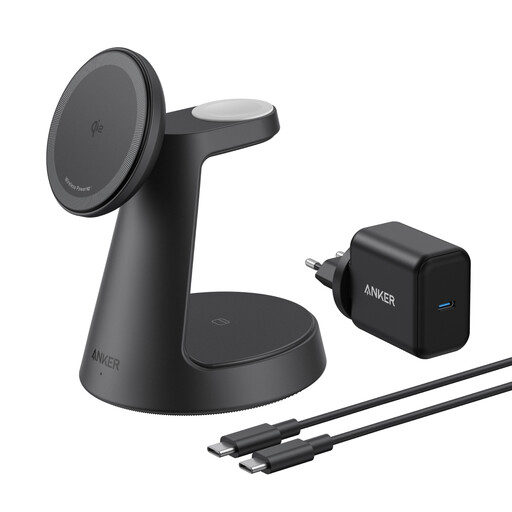
Why it's a great fit: Ideal for users seeking a single, tidy, and reliable charging solution for their entire Apple ecosystem of iPhone, Apple Watch, and AirPods on their desk or nightstand.
This Anker charging station offers 15W MagSafe-compatible charging for iPhone and officially certified fast charging for Apple Watch. A powerful 40W power adapter is already included, eliminating the problem of insufficient power from the start.
Officially certified fast charging for Apple Watch and a 360° rotating and tilting stand for the iPhone. The Anker MagGo is a complete, out-of-the-box solution.
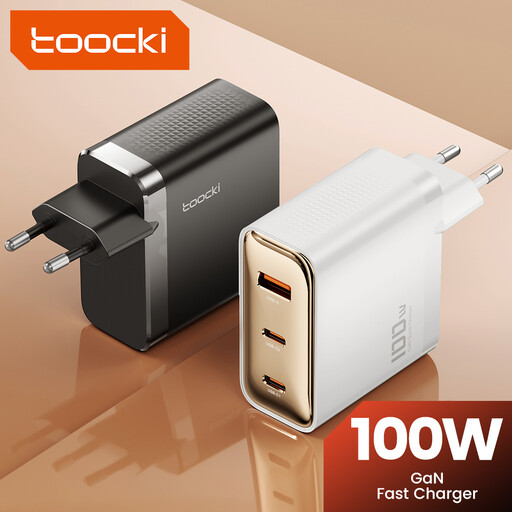
Why it's a great fit: For users who need to fast-charge a MacBook or iPad in addition to their iPhone. This charger isn't a station, but an extremely powerful and portable charging hub for all devices.
It delivers a massive 100W of total power, bypassing the problem of underpowered adapters. GaN technology ensures high efficiency and low heat generation in a compact size.
Charges a MacBook Pro at high speed while simultaneously powering other devices via its three ports (2x USB-C, 1x USB-A). Maximum flexibility for your desk and for travel.
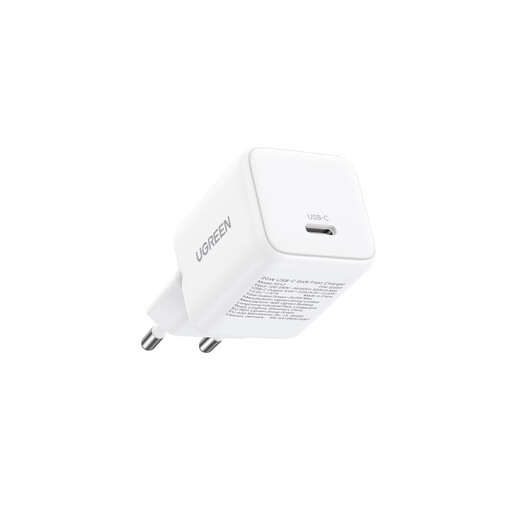
Why it's a great fit: Perfect for users who want maximum speed with minimum luggage when travelling. This power adapter is designed to charge a single device, like an iPhone, as quickly as possible via cable.
It focuses on one job and does it perfectly: 20W Power Delivery (PD 3.0) for fast-charging an iPhone. It avoids the compromise of slow charging speeds that many cheap travel chargers make.
Extremely compact and lightweight thanks to GaN technology. It fits in any bag and reliably delivers the power needed for a quick charge on the go.
While a dedicated charging station solves the cable management problem, you may also need adapters to connect older peripherals to your modern setup. The right adapters are crucial for expanding your workspace's connectivity.
For connecting peripherals or expanding your connectivity, we've curated a selection of tested adapters that meet current technical standards.
No, most 3-in-1 charging stations are designed for the power needs of smartphones, watches, and headphones. Their power output is not sufficient to efficiently charge a laptop like a MacBook. For that, you need a dedicated USB-C charger with a higher wattage (e.g., 65W or 100W), like the Toocki 100W GaN Charger mentioned above.
Yes. The official MagSafe standard includes a communication protocol between the charger and the iPhone. This system regulates charging speed and temperature to optimise the charging process and protect long-term battery health. Certified chargers from established brands like Anker adhere to these strict specifications.
Yes, but with some limitations. For optimal magnetic adhesion and charging efficiency, an official MagSafe-compatible case is recommended. These cases contain their own magnets that strengthen the connection to the charging station. Very thin standard cases (under 3mm) without metal or magnetic elements may also work, but the magnetic grip will generally be weaker.