
Lieferung heute & morgen

Qualitätsgarantie

Willkommens-Angebote freischalten: KOSTENLOSE Lieferung | Bis zu 80 % RABATT | Kostenlose 30-Tage-JoyPlus-Testphase
App herunterladen
As a Joybuy Product Recommendation Officer, I see every day how many well-intentioned purchases turn out to be impractical. Especially with a seemingly simple product like a loaf pan, there are pitfalls that can sour the baking experience. A pan that warps after just a few months, or one whose coating gives up at the first encounter with a sourdough loaf, is a poor investment. This guide will help you identify the crucial features and find a durable 30 cm loaf pan that truly meets your needs.
Many baking pans look identical at first glance, but the differences are in the details. Pay attention to these three points to avoid disappointment.
To avoid the problems mentioned above, you should check two key aspects before buying: the material and the exact dimensions.
The material determines heat conduction, stability, and lifespan. Most loaf pans are made of sheet steel, but the quality of the coating is what makes the difference.
The "30 cm" measurement usually refers to the longest external edge of the pan. However, for the baking result, the internal dimensions and the volume are what's crucial.
Here are some recommendations tailored to different needs and baking habits.

Why This Fits Their Persona: This pan is designed for discerning bakers who bake regularly and value durability. It's ideal for those who specialize in sourdough breads and need a pan that can withstand acidity and frequent use.
The glass-like, cut-resistant enamel base is completely acid-resistant, solving the problem of damaged coatings. Slicing in the pan is expressly permitted, which prevents the most common user error.
Excellent structural integrity due to extra-thick material and heat resistance up to 250°C. The dual ceramic non-stick coating (KAIRAMIC) on the side walls ensures easy release of the bread.
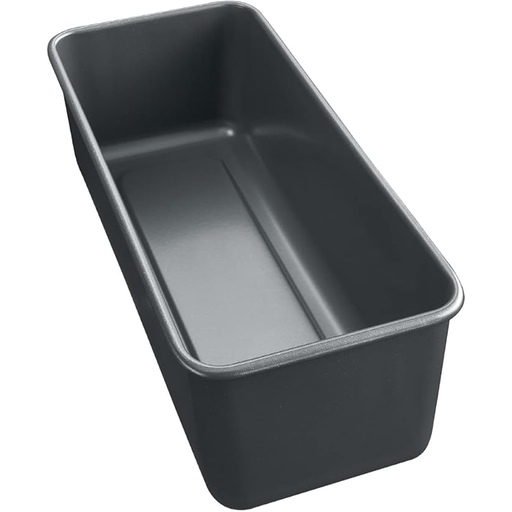
Why This Fits Their Persona: Perfect for home bakers who make both savory breads and sweet cakes, like a classic loaf cake. This pan offers high quality and versatility for various types of dough and recipes.
This model of the Kaiser 30 cm loaf pan also features the cut-resistant and acid-proof enamel base. The high-quality steel construction prevents warping at high temperatures and ensures even browning.
The combination of an excellent non-stick coating and a robust, cut-resistant base makes it extremely versatile. The 2.4 L volume is ideal for large breads and cakes.
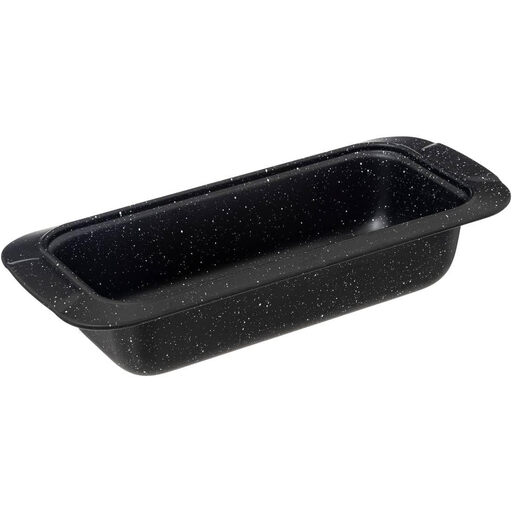
Why This Fits Their Persona: A great choice for those who bake occasionally and are looking for a functional yet affordable pan. It's well-suited for simple batter cakes, banana bread, or straightforward loaf breads.
This pan offers solid, basic functionality. It avoids the pitfall of overblown expectations by being an honest, budget-friendly option. You should not cut in this pan or use it for sourdough.
The steel construction ensures even heat distribution. The PTFE non-stick coating facilitates easy release of baked goods and simplifies cleanup with proper care.
We have compiled a complete, up-to-date list of products that fully meet these strict selection criteria and safety standards.
1. How do I properly clean a non-stick loaf pan? Always clean the pan by hand with warm water, a mild dish soap, and a soft sponge. Avoid abrasive scourers or steel wool, as these will permanently damage the non-stick coating. Even if some manufacturers claim their pans are dishwasher-safe, hand washing significantly extends the life of the coating.
2. Is a loaf pan with an enamel base really necessary? It's not necessary for everyone, but it is highly recommended for ambitious bakers. If you regularly bake sourdough bread or tend to slice directly in the pan, a loaf pan with an enamel base is a worthwhile investment. Its extreme hardness and acid resistance protect the pan from the two most common causes of premature wear and tear.
3. How much dough is a 30 cm loaf pan suitable for? A loaf pan with a 30 cm length is generally designed for dough quantities between 750 g and 1000 g. This corresponds to a typical family-sized loaf of bread. Always check the manufacturer's specifications for volume to ensure the dough does not overflow as it rises.