
Lieferung heute & morgen

Qualitätsgarantie

Willkommens-Angebote freischalten: KOSTENLOSE Lieferung | Bis zu 80 % RABATT | Kostenlose 30-Tage-JoyPlus-Testphase
App herunterladen
A reliable power supply is the foundation of comfort and functionality, whether you're in an RV, on a boat, or running an off-grid solar system. A high-performance power converter is the heart of this system. However, the market is flooded with devices whose technical specifications often promise more than they deliver. Many buyers invest in a model that later proves to be inadequate or even harmful to their equipment. This guide will help you identify the crucial features and make an informed choice.
Before we dive into the technical details, it's important to understand the typical pitfalls that can lead to a bad investment.
To avoid the problems mentioned above, you should check three core aspects before buying. These determine whether an inverter is suitable for your needs.
The continuous power, specified in watts (W), is the most important metric. It indicates the power the inverter can deliver consistently and stably. Add up the power consumption (in watts) of all the devices you want to run simultaneously. Plan for a buffer of about 20% to prevent overload. A 3000W pure sine wave inverter is a solid foundation for most applications in an RV or on a boat, as it can also power energy-hungry appliances like a refrigerator, a microwave, or high-performance tools.
A pure sine wave is essential for operating modern electronics. It generates a clean, smooth AC voltage identical to that from a household outlet. This ensures that all your devices—from smartphone chargers and TVs to laptops—function safely and without interference. A 12V to 230V power converter with a pure sine wave is the prerequisite for a stable and device-friendly emergency power supply or off-grid operation.
The inverter must match the voltage of your battery bank. Most cars, RVs, and boats use 12V systems, which is why a 12V solar inverter is the most common choice. Larger systems, such as those in trucks or extensive solar installations, often use 24V. An inverter with an LCD display is a major advantage here, as it provides you with important information at all times, such as battery voltage, output power, and any warning messages. This allows you to maintain control over your energy system.
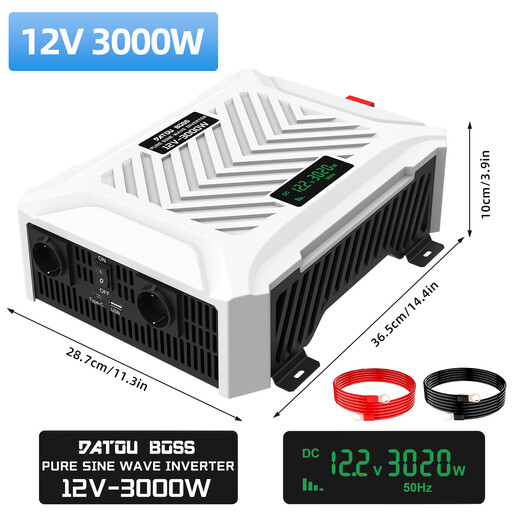
Why This Fits Their Persona: This model is ideal for users who need a powerful and versatile power source for their RV, boat, or workshop. It can easily power multiple devices simultaneously, from a refrigerator and a computer to power tools.
With 3000W of true continuous power and a pure sine wave, it bypasses the trap of misleading power ratings and reliably protects sensitive electronics from damage.
High continuous power for demanding appliances; comprehensive protection circuits and an LCD display for monitoring system status.
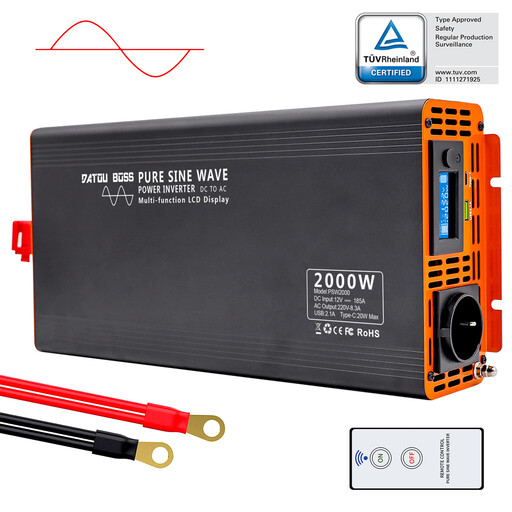
Why This Fits Their Persona: Perfect for users who need the quality of a pure sine wave but don't have extremely high power demands. Ideal for running laptops, coolers, and small kitchen appliances during camping or on short trips.
This model offers pure sine wave technology in a more accessible power class, preventing users from resorting to a damaging modified sine wave unit to save money.
Solid continuous power of 2000W; includes a remote control for convenient operation and a clear LCD display for monitoring.
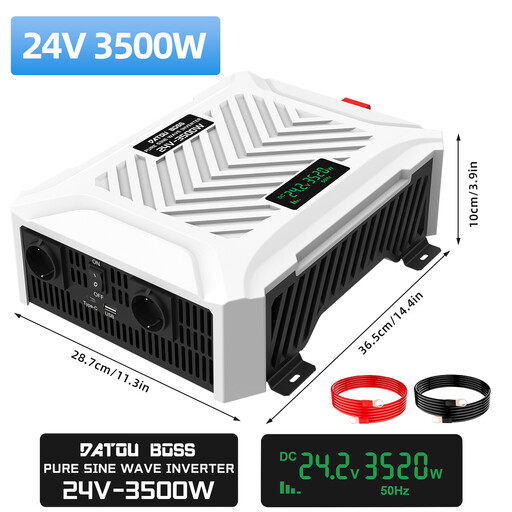
Why This Fits Their Persona: Designed for demanding 24V systems, such as those found in larger off-grid solar installations, work vans, or trucks. The high continuous power of 3500W allows for the operation of heavy machinery and multiple household appliances.
By being designed for 24V systems and providing very high continuous power, it is specifically built for demanding applications, avoiding the overload issues that would occur with underpowered 12V units.
Very high continuous power of 3500W; optimized for efficient 24V battery banks; robust construction for continuous use.
We've compiled a complete, up-to-date list of products that fully meet these strict selection criteria and UK safety regulations.
For many modern devices, yes. While simple loads like an incandescent bulb or a fan heater can work with a modified sine wave, most electronic devices require a clean power supply. These include:
Safety is the top priority. Keep the following points in mind: