Joybuy Insights

30 cm Induction Frying Pan Buyer’s Guide for a Smart Purchase

A high-quality, large frying pan is the cornerstone of many dishes. However, the search for the right 30 cm induction frying pan can quickly become overwhelming. Marketing claims often hide technical flaws that only reveal themselves in day-to-day use. As your Joybuy Product Recommendation Officer, I'll help you identify the key features and steer clear of common purchasing pitfalls.

The 3 Most Common Pitfalls When Buying a Pan

Many pans look promising on the shelf but disappoint after just a few weeks. Watch out for these three common problems to avoid a bad investment:

  1. "Pseudo" Induction Compatibility: A pan might be labelled "induction-compatible," but only have a small, thin steel disc embedded in its aluminium base. The result: heat is distributed unevenly, causing food to cook too quickly in some spots and barely at all in others. This renders a large frying pan useless.
  2. Exaggerated "Scratch-Resistant" Claims: Many non-stick coatings are advertised as extremely durable. In practice, however, just a few uses with metal utensils can lead to visible scratches that drastically reduce the pan's non-stick performance and lifespan.
  3. Vague Material Specifications: Terms like "healthy non-stick coating" are often ambiguous. Health-conscious buyers specifically look for products that are PFAS-free. If there is no clear information about the materials used (e.g., PTFE, ceramic), you might end up buying a product that doesn't meet your standards for material purity.

What Really Matters: The Core Parameters of a Good Induction Pan

To make the right choice, you should be guided by objective product features, not marketing buzzwords. Three factors are crucial for a 30 cm induction pan.

1. Material and Base Construction for Induction

The performance on an induction hob depends directly on the base of the pan.

  • Aluminium Pans: They are lightweight and conduct heat well. However, they require a ferromagnetic base to be induction-compatible. Look for a full-surface stainless steel base to ensure even heat distribution.
  • Stainless Steel Pans: These are robust, durable, and often dishwasher-safe. A coated stainless steel pan combines this durability with non-stick properties. Multi-layered bases (sandwich bases) with an aluminium core significantly improve heat conduction.
  • Cast Iron Pans: They are heavy but retain heat exceptionally well and distribute it very evenly. They are naturally suitable for induction and extremely durable with proper care.

A good pan for all hob types has a thick, warp-resistant, and fully magnetic base.

2. Type and Quality of the Coating

The coating determines how well your food slides and how easy the clean-up is.

  • PTFE Coatings (Teflon): Offer very good non-stick properties but are sensitive to scratches and high temperatures. Modern versions are PFOA-free but still belong to the PFAS group.
  • Ceramic Coatings: Are often heat-resistant to higher temperatures and are typically PFAS-free. However, their non-stick effect can diminish more quickly than PTFE if used improperly.
  • Hybrid Coatings: Combine a stainless steel honeycomb structure with a non-stick seal. This design is intended to protect the coating from direct contact with cooking utensils, thereby achieving a higher quality scratch-resistant pan.
  • Uncoated Pans (Stainless Steel or Cast Iron): Ideal for searing meat. They require a bit more practice and fat but are extremely durable and resilient in return.

3. Handle Material and Oven Safety

A pan's functionality doesn't end on the hob. If you want to finish dishes in the oven or keep them warm, you need an oven-safe pan.

  • Plastic or Bakelite Handles: Are lightweight and don't get hot, but they usually limit oven use to below 160°C or rule it out entirely.
  • Stainless Steel or Cast Iron Handles: Allow for use at high temperatures in the oven. However, they can also heat up on the hob, so an oven mitt should be kept handy.

Recommended Products for Different Needs

Here are some models that meet specific user requirements and avoid the aforementioned pitfalls through their design.
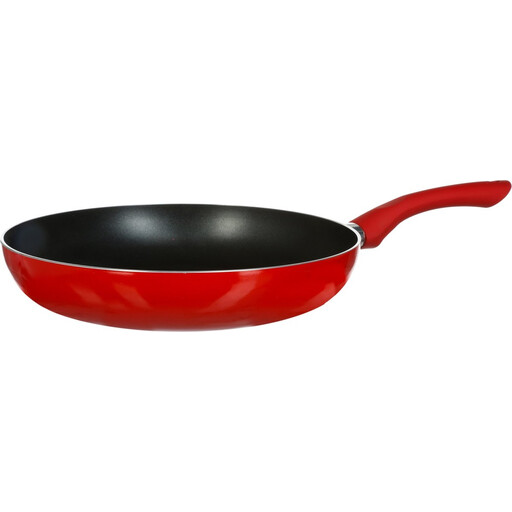
BEST FOR: DAILY USE
5five Aluminium Induction Frying Pan - 30 cm, Red/Black

5five Aluminium Induction Frying Pan - 30 cm, Red/Black

Why it's a good fit: Ideal for home cooks looking for a functional and affordable all-round pan for daily tasks like cooking eggs, vegetables, or pancakes. The lightweight aluminium makes it easy to handle.

How It Avoids the Pitfall

The product description explicitly mentions a "stainless steel induction disc." This indicates a design optimised for induction, aiming for better heat distribution than spot-welded solutions.

Key Advantage

The dual-layer non-stick coating provides solid performance for everyday dishes. The Bakelite handle stays cool on the hob, ensuring safe handling.
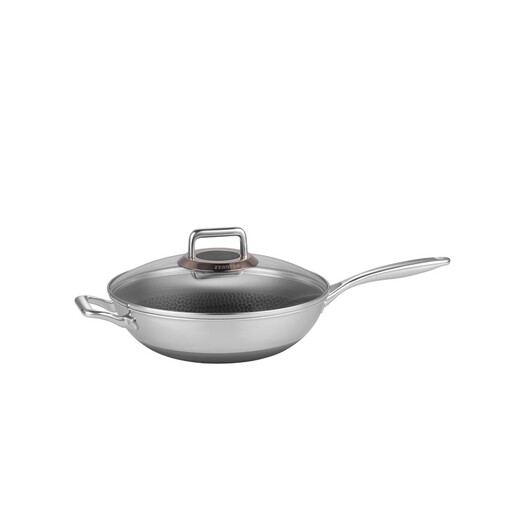
BEST FOR: HEALTH-CONSCIOUS FAMILIES
KT Hybrid Stainless Steel Deep Frying Pan 30cm

KT Hybrid Stainless Steel Deep Frying Pan 30cm

Why it's a good fit: Perfect for families and health-conscious cooks who want a durable, versatile, and toxin-free pan. The high sides also make it suitable for dishes with sauces.

How It Avoids the Pitfall

The description explicitly confirms that the pan is free of PFAS, PTFE, and PFOA. The 3D honeycomb structure physically protects the non-stick layer, addressing the problem of rapid wear.

Key Advantage

The tri-ply base with an aluminium core ensures fast and very even heat distribution. Furthermore, the pan is oven-safe up to 260°C, making it extremely versatile.
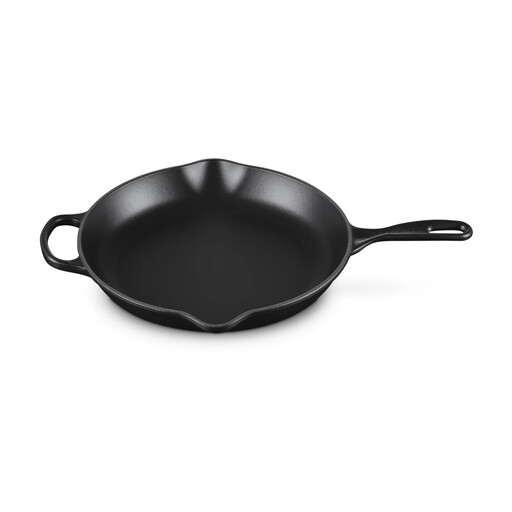
BEST FOR: DISCERNING HOME CHEFS
Le Creuset Frying and Serving Pan Signature Round 30 cm

Le Creuset Signature Frying and Serving Pan, Round 30 cm

Why it's a good fit: For chefs who value the highest material quality, excellent heat retention, and longevity. Ideal for searing, braising, and then serving directly at the table.

How It Avoids the Pitfall

Enameled cast iron is naturally optimised for induction and offers unparalleled even heat distribution. The robust enamel surface is durable and doesn't rely on the common non-stick technologies found in basic pans.

Key Advantage

The outstanding heat retention keeps food warm for a long time and enables energy-efficient cooking. The pan is suitable for all hob types and the oven, making it an extremely versatile piece of cookware.

Looking for more options?

We have compiled a complete, up-to-date list of products that fully meet these strict selection criteria and German safety regulations.

Frequently Asked Questions (FAQ)

How can I tell if my pan is truly induction-compatible?

The easiest way is the magnet test: hold a magnet to the bottom of the pan. If it sticks firmly, the base is ferromagnetic and suitable for induction. Also, look for the coil symbol (a stylized spiral) on the packaging or the pan base. For good performance, the base should be as thick, flat, and fully magnetic as possible.

What does "PFAS-free" mean and why is it relevant?

PFAS (per- and polyfluoroalkyl substances) is a large group of chemicals used, among other things, for water- and grease-repellent coatings like PTFE. Due to concerns about their persistence in the environment and potential health risks, many consumers are looking for alternatives. A 30 cm non-stick pan declared as PFAS-free often uses a ceramic-based coating or relies on innovative surface structures instead.

How do I properly care for a non-stick pan to extend its lifespan?

To protect the coating, you should follow a few basic rules:

  • Use cooking utensils made of wood, silicone, or plastic.
  • Never heat the pan empty on the highest setting.
  • Let the pan cool completely before cleaning to prevent warping.
  • Clean the pan by hand with a soft sponge and mild washing-up liquid. Even if many pans are listed as dishwasher-safe, hand washing can significantly extend the life of the coating.