
Lieferung heute & morgen

Qualitätsgarantie

Willkommens-Angebote freischalten: KOSTENLOSE Lieferung | Bis zu 80 % RABATT | Kostenlose 30-Tage-JoyPlus-Testphase
App herunterladen
A 316 stainless steel water bottle can be a practical alternative to disposable bottles and containers made from standard stainless steel. But the material label alone doesn’t determine how well a bottle will work in everyday life. The lid, capacity, ease of cleaning and intended use all affect whether it’s a good choice for the office, the gym or travelling.
There are three common buying mistakes to watch out for:
When choosing a stainless steel water bottle, you’ll often see 316 and 316L listed as the material. Both refer to austenitic stainless steels. 316 contains chromium, nickel and molybdenum, among other elements. The exact composition and manufacturing process may vary between manufacturers and components.
The ‘L’ in 316L usually indicates a lower carbon content. It identifies a particular grade of steel, but doesn’t by itself prove the overall quality of a product. You should also check:
Which parts are actually made from 316 or 316L?
The claim may apply only to the interior, the bottle body or specific components.
Are the seals and lid suitable for the drinks you plan to use?
Pressure can build up in bottles containing fizzy drinks. Follow the manufacturer’s guidance.
How should you clean the bottle?
Many models are designed to be washed by hand in warm water with mild washing-up liquid. Abrasive sponges or steel wool can damage the surface.
A 316L thermos flask or 316 stainless steel container isn’t automatically leakproof. Make sure the lid is fully closed before carrying it. If you’re looking for a leakproof water bottle, check the specific information about the closure and follow the care instructions.
For your daily commute, trips to university or train journeys, sizes of around 400 to 720 ml are often easier to carry. A 480 ml stainless steel coffee cup may work well for hot drinks at the office or on the go, as long as its lid is suitable for your intended use.
A large 980 ml water bottle is better suited to longer workouts, days out or situations where you won’t be able to refill regularly. Before you buy, check:
A stainless steel tumbler with a capacity of 1,000 or 1,200 ml is better suited to a desk or longer stays in one place. If you carry a small bag, a 200 ml model may be a more practical compact cup for use on the go.
A stainless steel container may be designed as an insulated stainless steel cup or thermos flask. But its ability to keep drinks hot or cold depends on its construction, insulation and lid. A basic single-wall bottle will perform differently from a double-wall insulated container.
When comparing models, check:
You should also consider how easy a bottle is for a child to use. A 550 ml children’s thermos flask may suit school or days out, as long as its size, closure and safety guidance are appropriate for the child’s age.
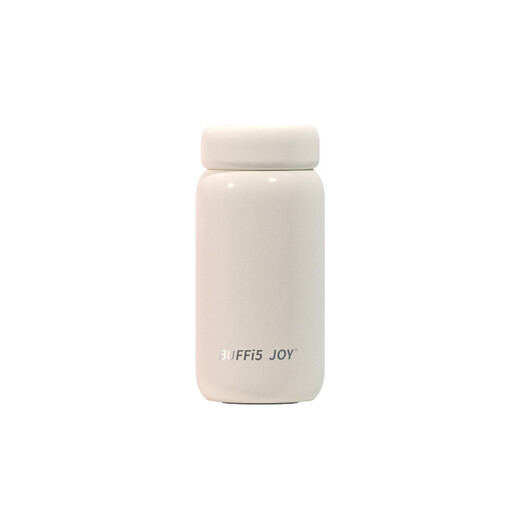
Why this product suits your needs: Its 200 ml capacity and compact shape make it a good fit for short journeys, small bags or your desk.
Its small size helps you avoid buying a bottle that’s too heavy or awkward to carry for short trips. Check the lid is leakproof before taking it with you.
316 stainless steel and a 200 ml capacity in a portable design.
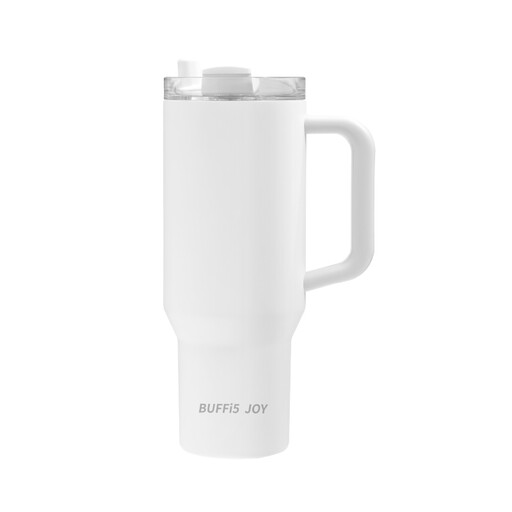
Why this product suits your needs: Its 1,200 ml capacity and desktop design make it well suited to long working days or a regular spot in the office.
Its large capacity isn’t presented as a handy travel size. Before buying, check how much space it needs, how much it weighs and how the lid is designed.
316L designation and a 1,200 ml capacity for longer use in one place.
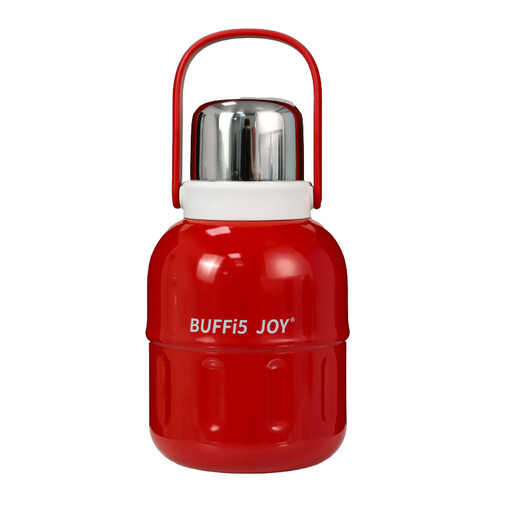
Why this product suits your needs: Its 980 ml capacity is designed for sports, longer days out and situations where you can’t refill often.
The stated capacity makes it easier to plan ahead. Check the dimensions and closure separately to make sure it fits your rucksack, bike bottle holder or sports bag.
316 stainless steel and a 980 ml capacity for longer stretches between drinks.
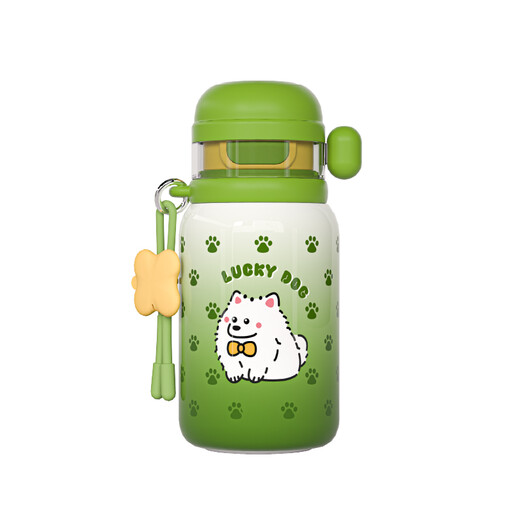
Why this product suits your needs: Its 550 ml capacity is designed for school, day trips or family activities, provided it suits your child’s size and needs.
Its child-friendly size helps you avoid choosing a container that’s unnecessarily large. Check age and safety guidance, and make sure you know how to clean the lid before use.
316L designation and a 550 ml capacity for busy family life on the go.
We’ve put together a complete, regularly updated list of products that meet these strict selection criteria and fully comply with the safety regulations in force in the EU.
There are other everyday products to consider alongside water bottles:
316 stainless steel is used in a range of drink containers. What matters is which components are made from this material and which drinks the specific product is approved for. Check the manufacturer’s information before buying and before using the bottle for the first time.
Its lifespan depends on the quality of the materials and workmanship, as well as the closure, seals and care. Damaged seals, cracks, dents or deep scratches can affect how well the bottle works. Regular cleaning and thorough drying help prevent odours and residue.
Not every stainless steel bottle is suitable for the dishwasher. Some are specifically designed for handwashing. Even if the bottle itself is dishwasher-safe, the lid, markings or seals may need different care. Always follow the product instructions.